8 Gentle Bedtime Stretches to Help You Unwind
A calm, low-effort sequence to help you slow down before bed - gentle movement, no promises.

An evening stretch can be a pleasant way to shift from a busy day into something slower. To be honest about it, gentle stretching is not a treatment for insomnia or anxiety and cannot guarantee better sleep or relaxation. What many people do find is that a few quiet minutes of easy movement and slow breathing helps them wind down. These eight movements are deliberately low-effort and can be done on a bed or the floor.
Who this suits
Anyone who wants a calm pre-bed routine. Keep the lights low, the effort light, and the breathing slow.
The eight gentle stretches
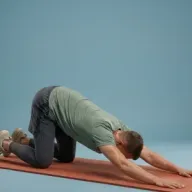
- Cat-cow. A few slow rounds to ease the back after the day.
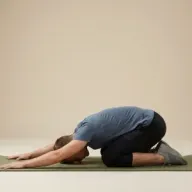
- Child's pose. Sit the hips back, reach forward and breathe softly for several breaths.
- Seated forward fold. A gentle fold over the legs, back long, no reaching for the toes.
- Reclined butterfly. Lying down, let the soles of the feet meet and the knees fall open, supported by cushions if needed.
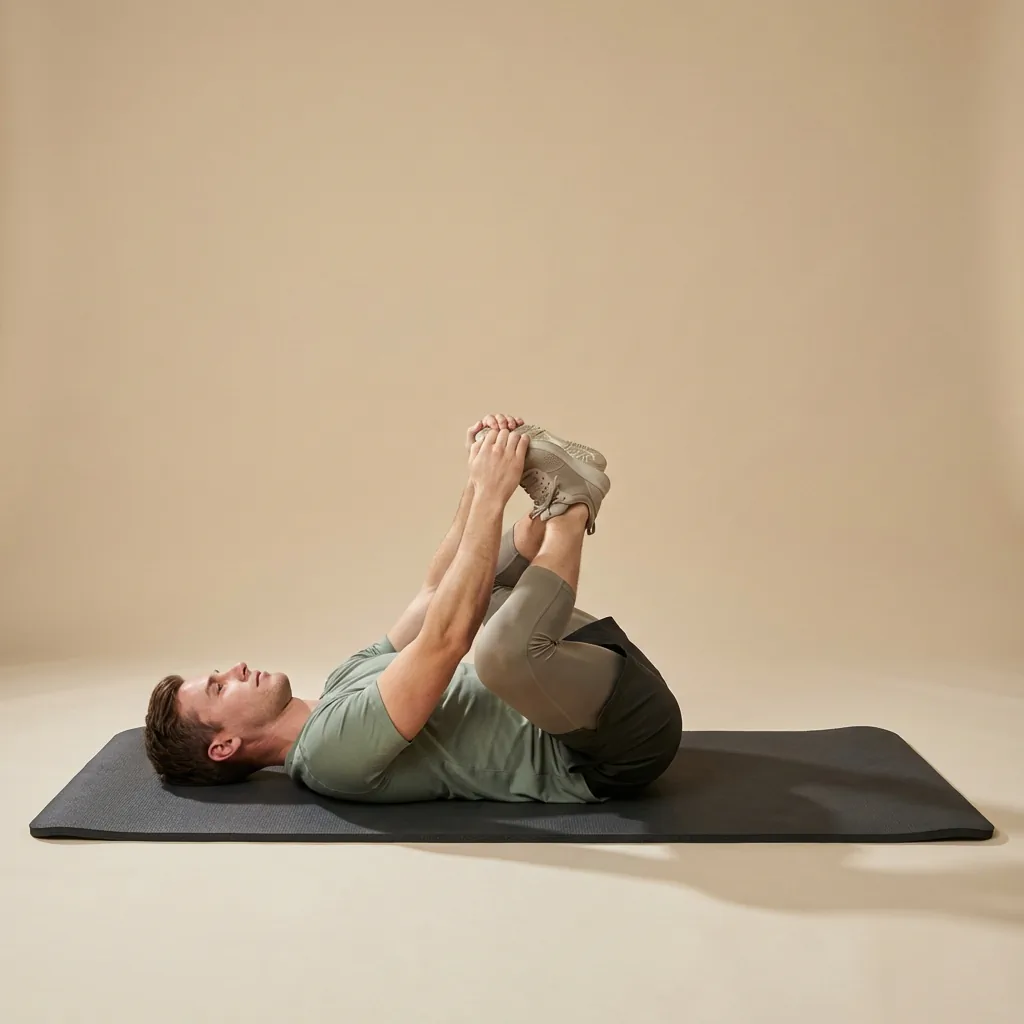
- Lying figure-four. A gentle glute and hip stretch on your back.
- Knee to chest. Draw one knee gently in, then the other, to release the lower back.
- Happy baby. Hold the outsides of the feet and let the knees drop towards the floor, rocking gently.
- Supine spinal twist. Let the knees drop to one side, then the other, for a soft twist to finish.
Keep it gentle
This is not a workout. Hold each position for a few slow breaths, keep the range small, and let your attention settle on the exhale. If your mind is busy, simply notice the breath moving in and out.
Easier variations
- Support the knees with pillows in reclined butterfly.
- Do the whole sequence on your bed if the floor is uncomfortable.
- Skip happy baby and stay with knee-to-chest if that feels calmer.
Common mistakes
- Turning it into a vigorous session that wakes you up.
- Straining for depth instead of staying soft.
- Rushing through, which defeats the purpose.
When to stop
Stop for any sharp pain or symptoms travelling down a limb. If sleep problems persist, it is worth speaking to a GP, as sleep has many contributing factors beyond movement.
Why a wind-down routine can help you settle
A consistent pre-bed routine works largely as a signal. Repeating the same calm activities each night - dimming the lights, slowing your movements, breathing gently - can cue your body that the day is ending. This is behavioural rather than magical: gentle stretching is not a treatment for sleep problems, but pairing it with a slower pace and less screen time is a reasonable part of winding down.
Letting the breath lead
The breathing matters as much as the movement here. In each position, aim for slow, unforced breaths, and let your attention rest lightly on the exhale. There is no target range to reach and nothing to achieve - you are simply spending a few quiet minutes moving gently and breathing slowly, which many people find helps them shift out of a busy day.
Where stretching fits within sleep habits
If falling or staying asleep is a persistent struggle, the wider picture usually matters more than any single routine: a regular schedule, a cool and dark room, limiting caffeine late in the day, and reducing screens before bed. The NHS offers practical sleep guidance, and it is worth speaking to a GP if poor sleep continues, as many factors can contribute.
Related routines
Guided evening options include Drift to Sleep, Evening Mobility Unwind and Breath and Reset.
Set up a calmer bedtime session
Dim the room, silence notifications, and choose a surface where you can move without repeatedly getting up. Keep the sequence easy enough that breathing stays quiet. The routine should feel like a transition toward rest, not another workout to complete.
Ways to make the stretches more comfortable
- Place a folded towel or cushion under the knees when kneeling feels firm.
- Use a wall or bed for support instead of reaching for maximum range.
- Shorten holds when a position creates restlessness rather than relaxation.
- Skip any movement that causes sharp discomfort, tingling, or dizziness.
Bedtime stretching may help some people feel settled, but it is not a treatment for persistent sleep difficulty. Keep a regular sleep schedule and seek appropriate professional advice when sleep problems continue or significantly affect daily life.
Sources
Put the guide into practice
Related Flexor routines
These guided routines are linked to the article topic. Review the difficulty and exercise list before starting.