
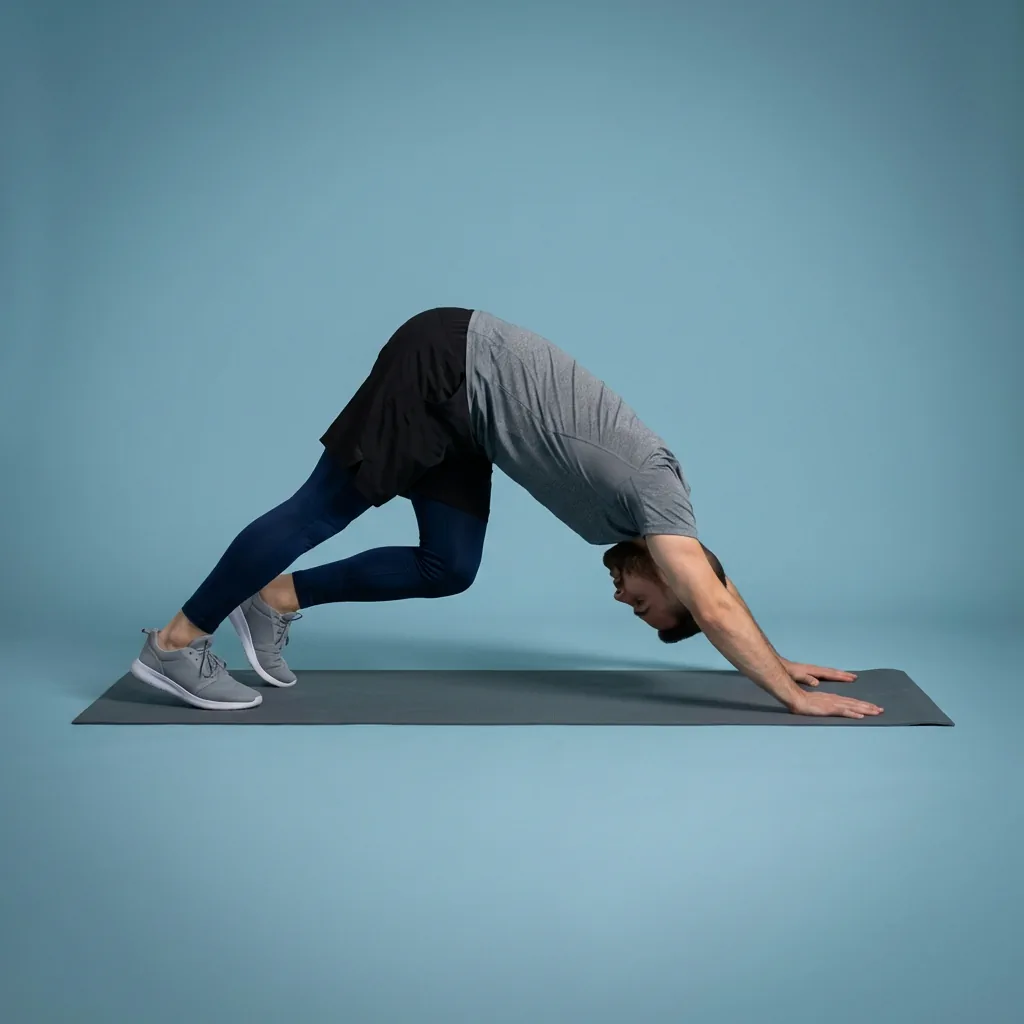
Stretching for runners
Warm up, run, and recover with guided routines for runners.
Running loads the ankles, calves, hips and hip flexors again and again, so a little preparation beforehand and a calmer stretch afterwards can help you feel ready and unwind well. Flexor gathers dynamic warm-ups and post-run routines you can match to the run ahead, the areas you want to focus on, and the time you have.
Before the run
Dynamic warm-ups to prepare ankles, calves, and hips.
After the run
Calmer stretches and recovery for the areas you worked.
Run-specific focus
Routines built around the demands running tends to place.
Time-flexible
Short pre-run primers or longer recovery sessions.
What running asks of the body
Running is repetitive lower-body work: the calves and Achilles area absorb each stride, the hips and hip flexors drive the leg forward, and the glutes and hamstrings help you push off. That is why a warm-up worth doing is dynamic—gradually raising movement and using patterns relevant to running—while an afterwards routine is slower and calmer.
This is general fitness and wellness guidance, not sports-medicine advice. It will not prevent every niggle, and a persistent or sharp pain deserves proper assessment rather than stretching through it.
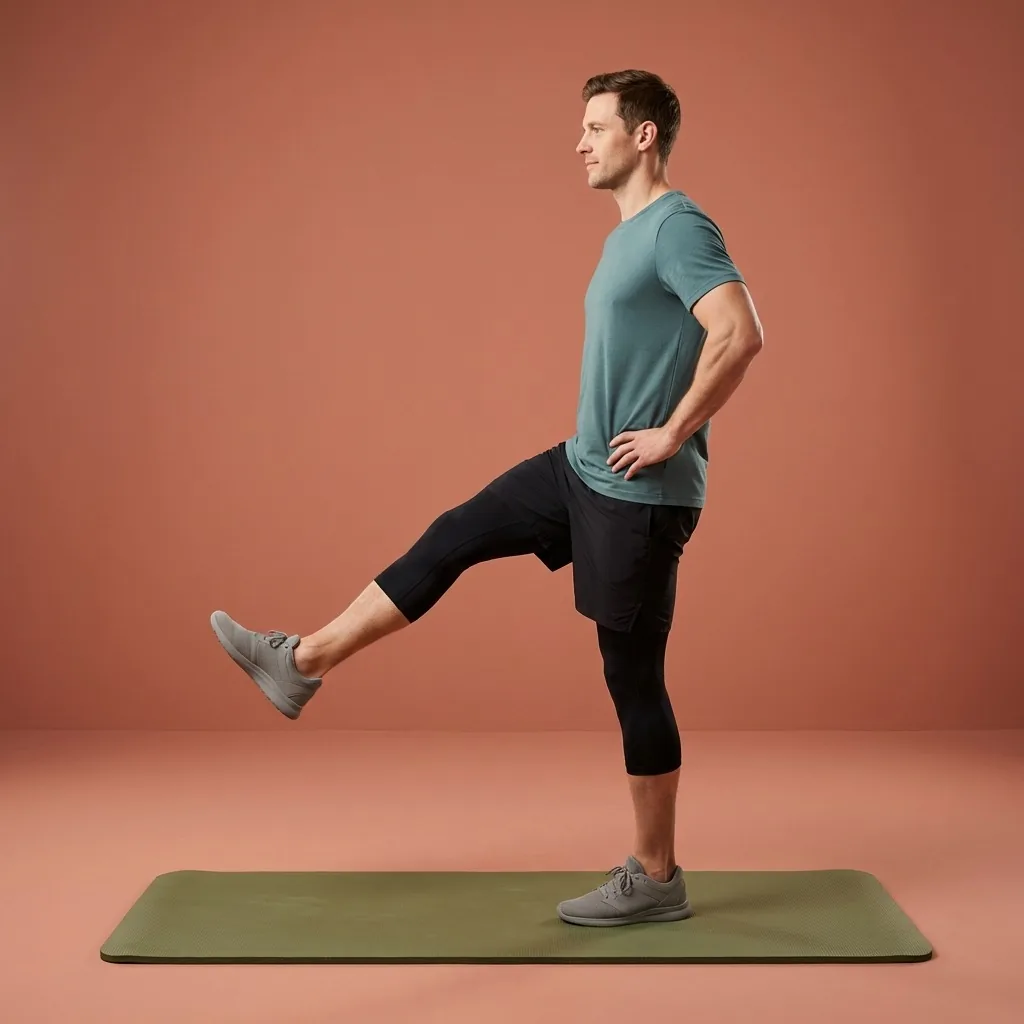
Before and after a run
Flexor keeps warm-ups and cool-downs distinct on purpose, so you can pick the right one for the moment rather than a generic full-body sequence.
- Before: a dynamic run-ready primer to raise movement in ankles, calves and hips.
- After an easy run: a calf, foot and hip cool-down to wind down.
- After a hard session: a lower-body recovery flush for legs and hips.
- On off days: gentle mobility to keep the hips and hip flexors moving.
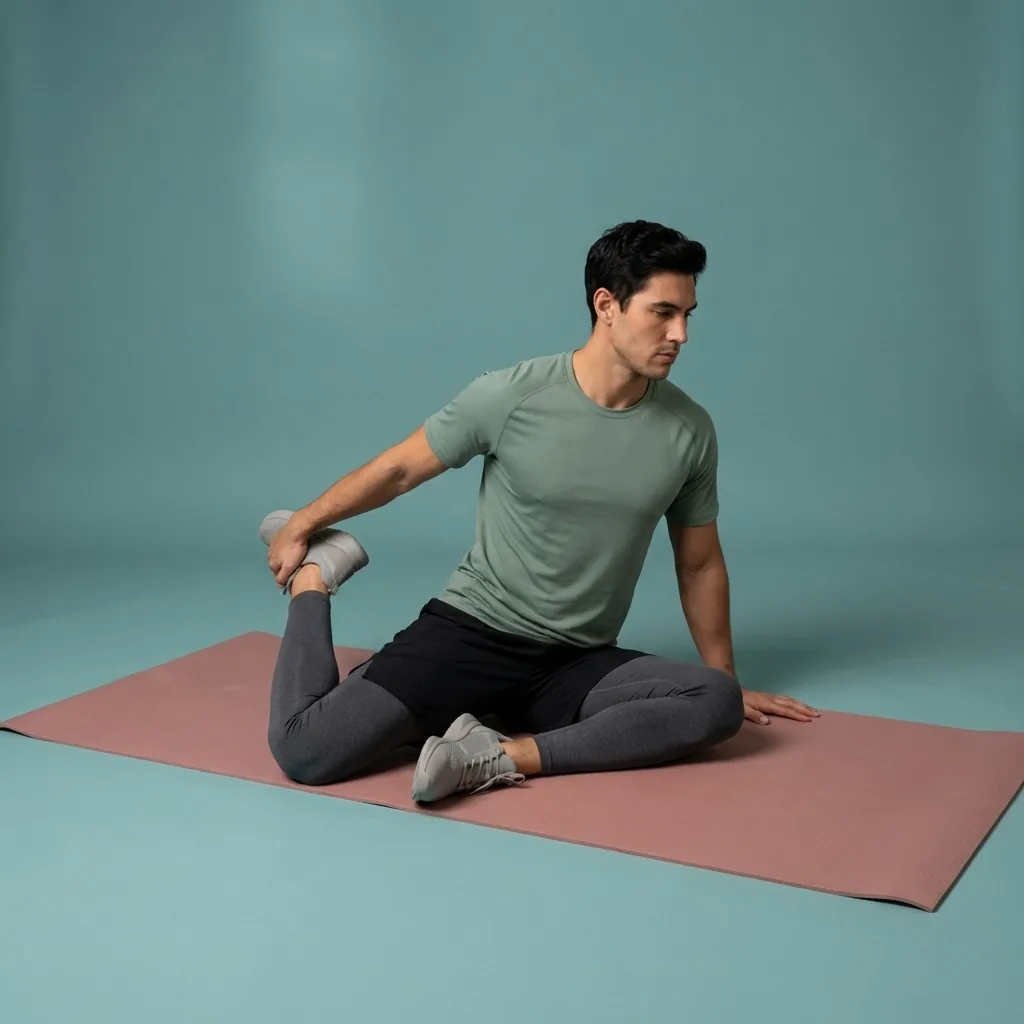
In Flexor: Hip-focused mobility for desk days and training.
How Flexor fits a runner's week
Filter by warm-up, cool-down or recovery, choose the areas and minutes you have, and follow the ordered steps with timing and cues. Core routines and the player work offline, so you can warm up at the trailhead or stretch in the park without a connection. Daily recommendations can nudge a recovery session after a harder run.
Build intensity gradually and stay within a comfortable range, especially in a warm-up before you are fully loose. Flexor guides the sequence; you decide how far to move and stop if anything causes pain or concerning symptoms.
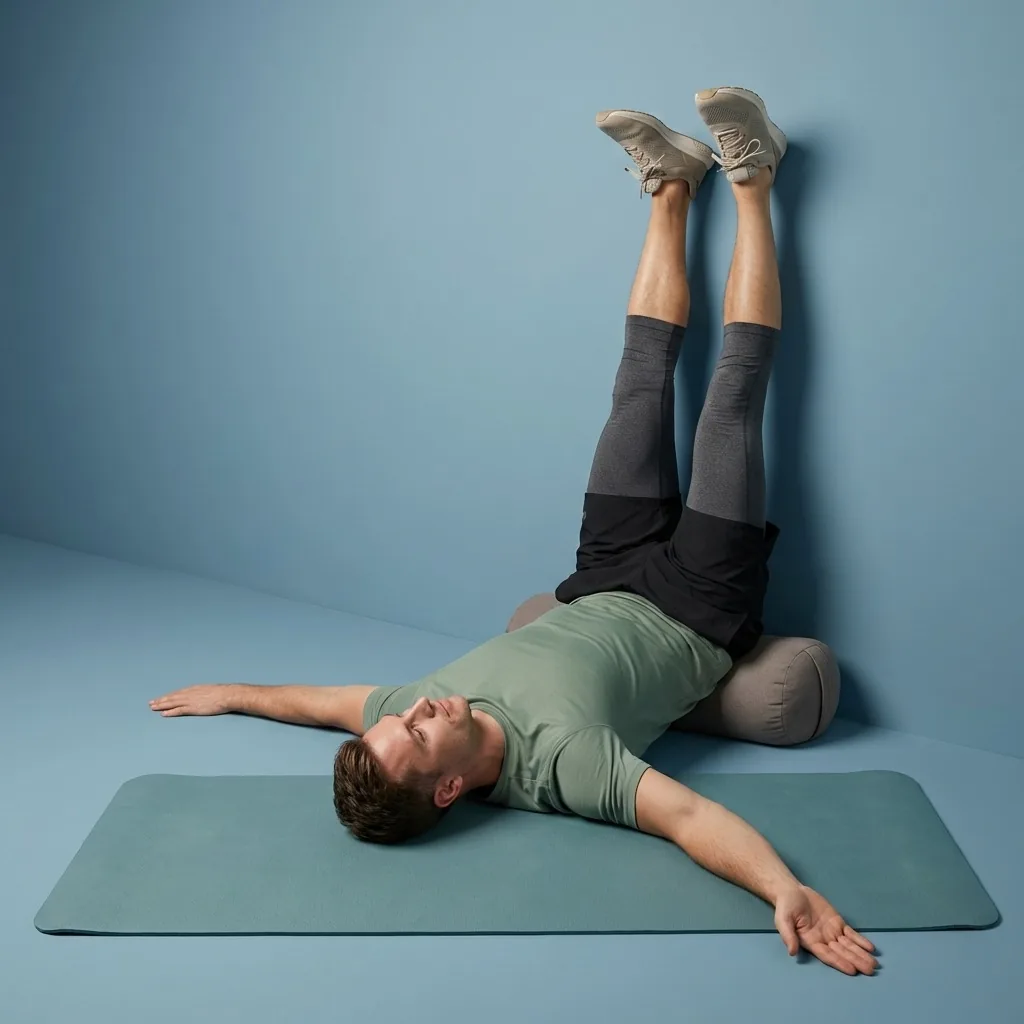
Running and the areas it loads
When you want to focus on a single region, the body-area guides go deeper than an activity routine. The calves and ankles take the impact of each stride, the hips and hip flexors drive your stride length, and the hamstrings and glutes power push-off. Use the running routines to structure a session, then a body-area guide when one area needs more attention.
Prepare, run, recover.
Dynamic warm-ups and calmer post-run routines for the areas running loads.
Before the activity: prepare, do not fatigue
Before running, favour controlled dynamic movement that rehearses the joints and patterns you are about to use. The aim is to feel ready, not to create fatigue or chase the deepest possible range.
Keep the sequence brief enough to fit the session, gradually increase movement range, and include activity-specific preparation after any general warm-up. Static holds can be saved for a separate mobility or recovery session when that suits your goals.
After the activity: shift toward recovery
After running, use slower movement and comfortable holds to help you settle from the session. Prioritise areas that worked hard without assuming every sensation of tightness needs aggressive stretching.
A recovery routine should not be used to push through pain or to compensate for training-load problems. Hydration, sleep, nutrition, technique, workload and medical factors can all matter more than stretching alone.
Between sessions: build mobility without disrupting training
Use focused mobility on easier days or away from demanding sessions. Select one or two relevant areas, work within a controlled range, and progress through consistency rather than intensity.
Daily recommendations can vary the focus from your goals, time and recent sessions, but Flexor cannot assess technique, diagnose restrictions or determine readiness for sport.
Common mistakes to avoid
Avoid long, fatiguing mobility work immediately before performance, forcing range, bouncing without control, repeating the same body area every day, or treating soreness as proof that a routine was effective.
Stop for sharp, persistent, worsening or unusual symptoms. Seek appropriate professional assessment after trauma or when pain is accompanied by swelling, weakness, numbness, instability, illness or loss of normal function.
Sources and further reading
These independent sources support the general guidance on this page. They do not endorse Flexor.
Quick facts
- Activity
- Running
- Before the run
- Dynamic run-ready warm-up
- After the run
- Calmer calf, foot and hip cool-down
- Loads most
- Calves, ankles, hips, hip flexors, hamstrings
Where to start
You are about to head out
Run a dynamic primer for ankles, calves and hips before the run.
You have just finished an easy run
Follow a calf, foot and hip cool-down while you are still warm.
You want to focus on one area
Open a body-area guide such as calves or hips.
A recovery nudge after a harder run
You have logged a few faster sessions this week. Flexor uses your goals, focus areas, available time and recent activity to nudge a recovery or lower-body session when your running has been intense. It never scans your body or assesses your stride.
See how daily recommendations workSafety and limits
- General fitness and wellness guidance, not sports-medicine advice.
- Build intensity gradually and keep warm-up movement within a comfortable range.
- Seek assessment for pain that is sharp, persistent or worsening rather than stretching through it.
Flexor does not assess your movement and makes no injury-prevention claims; it is not a substitute for advice from a qualified professional.
Read the full wellness disclaimerRelated routines
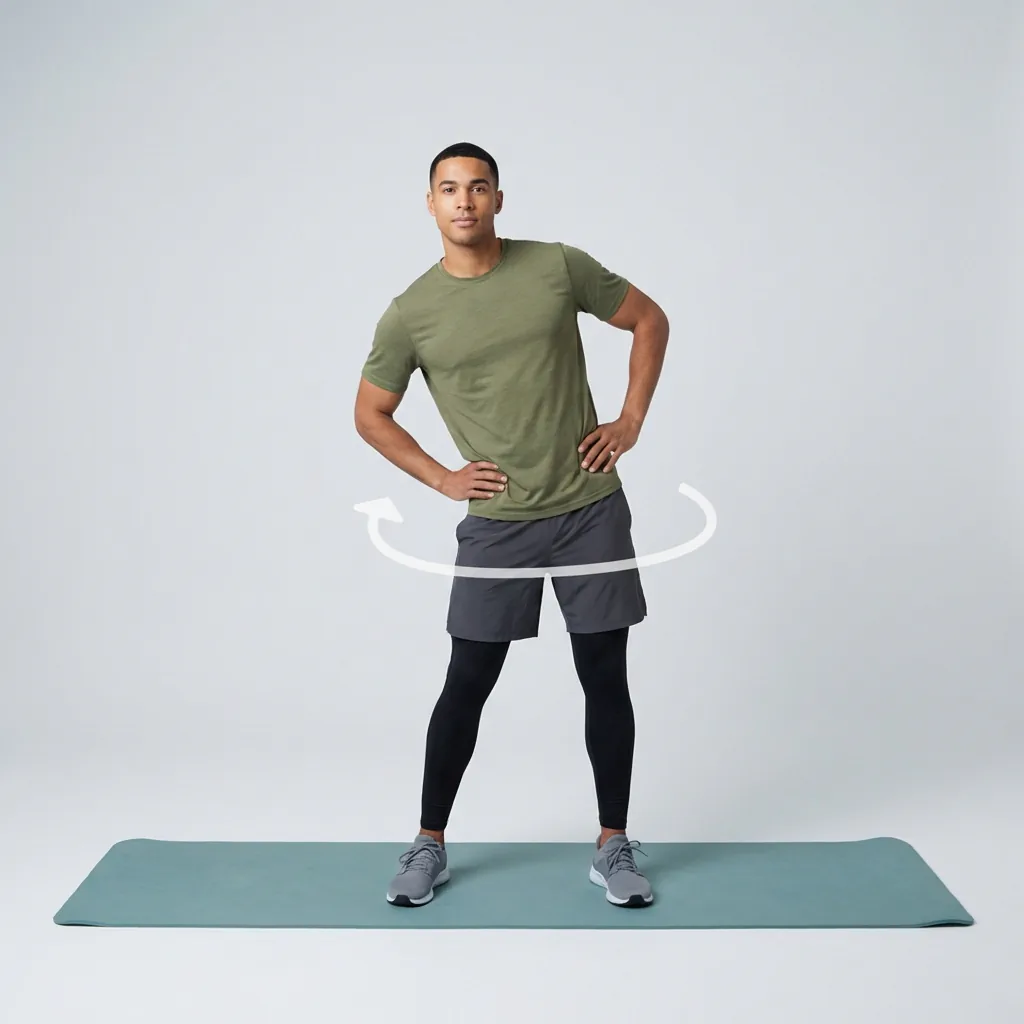
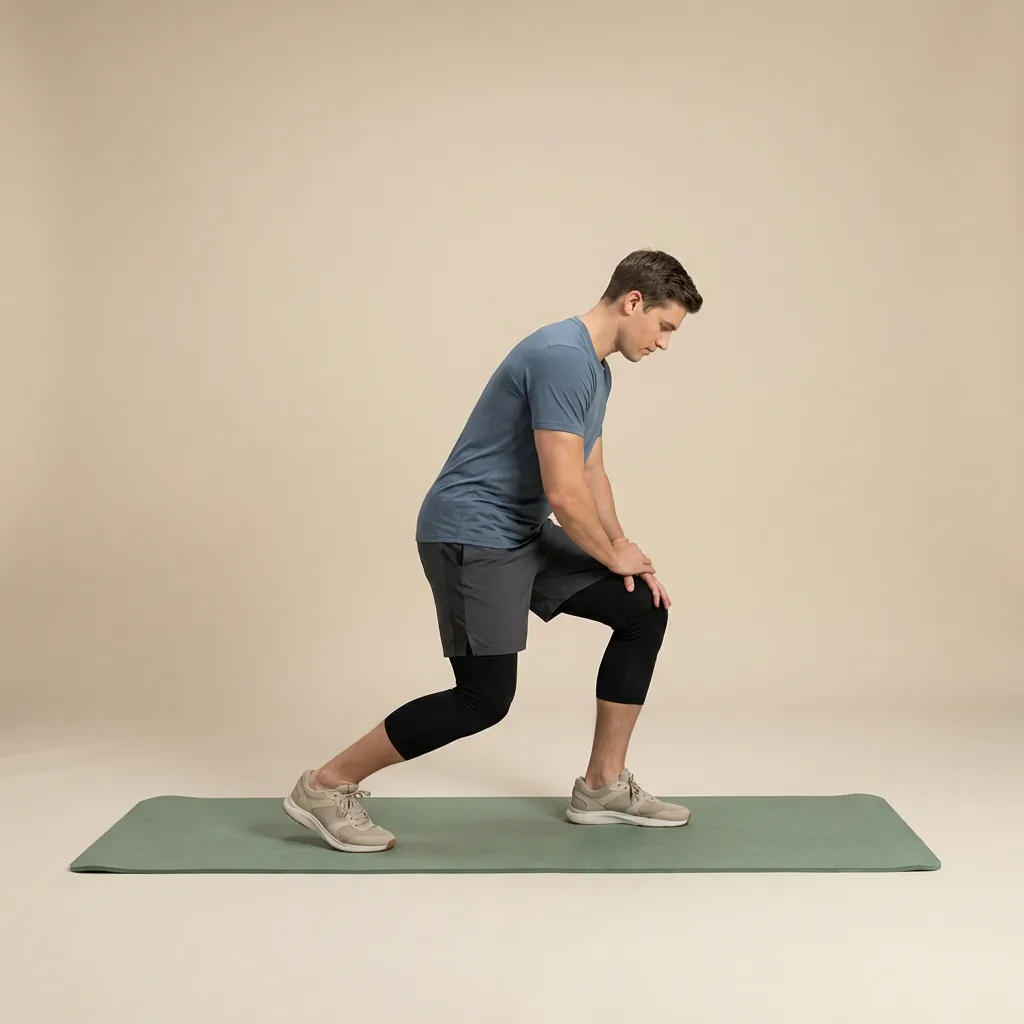
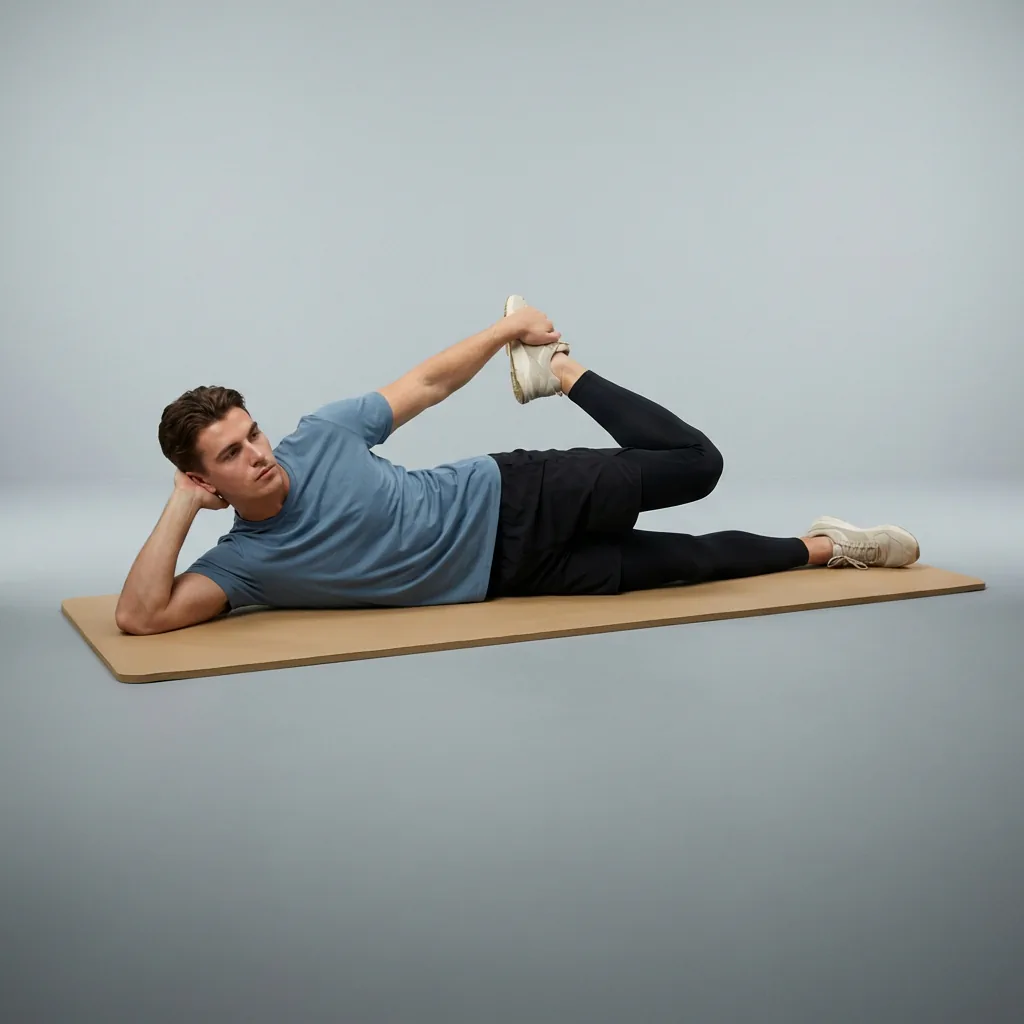
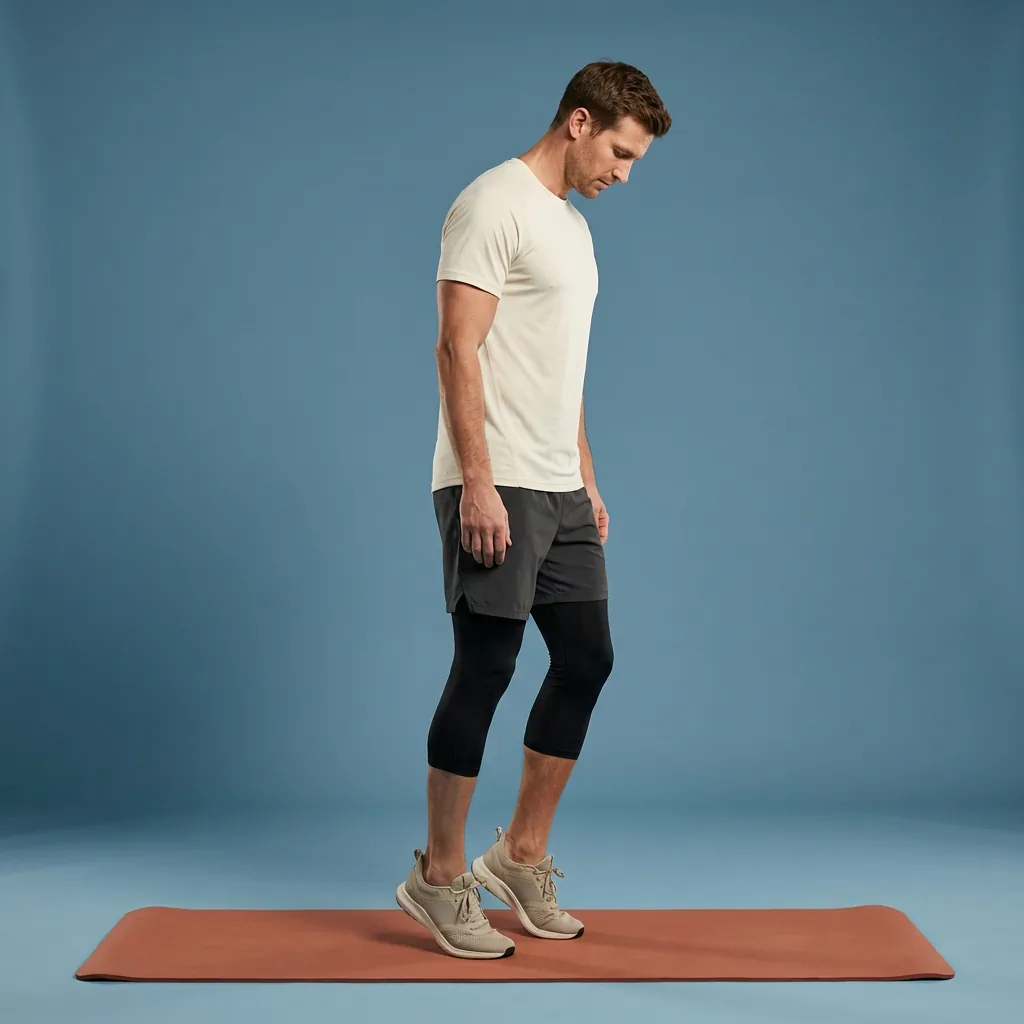
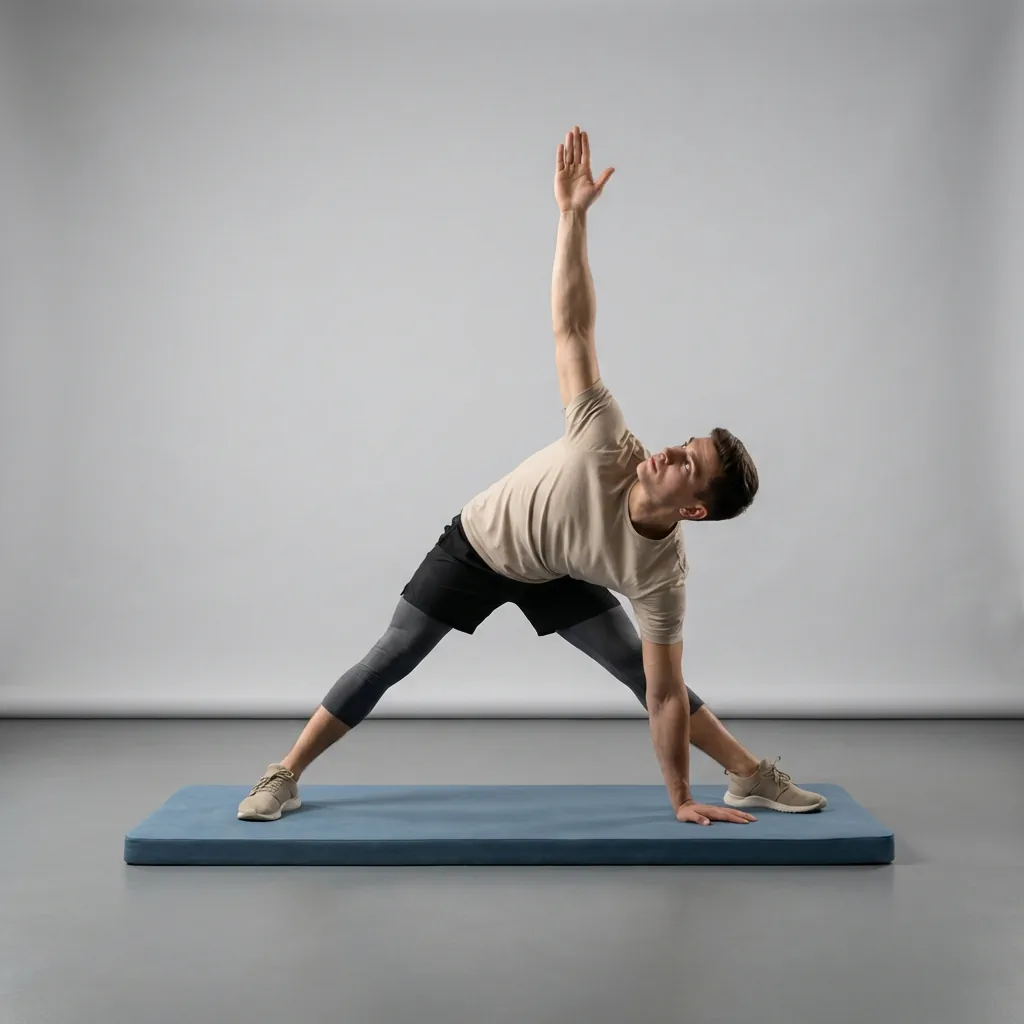
Browse guided Flexor sessions that match this page, then open any routine for steps and cues.
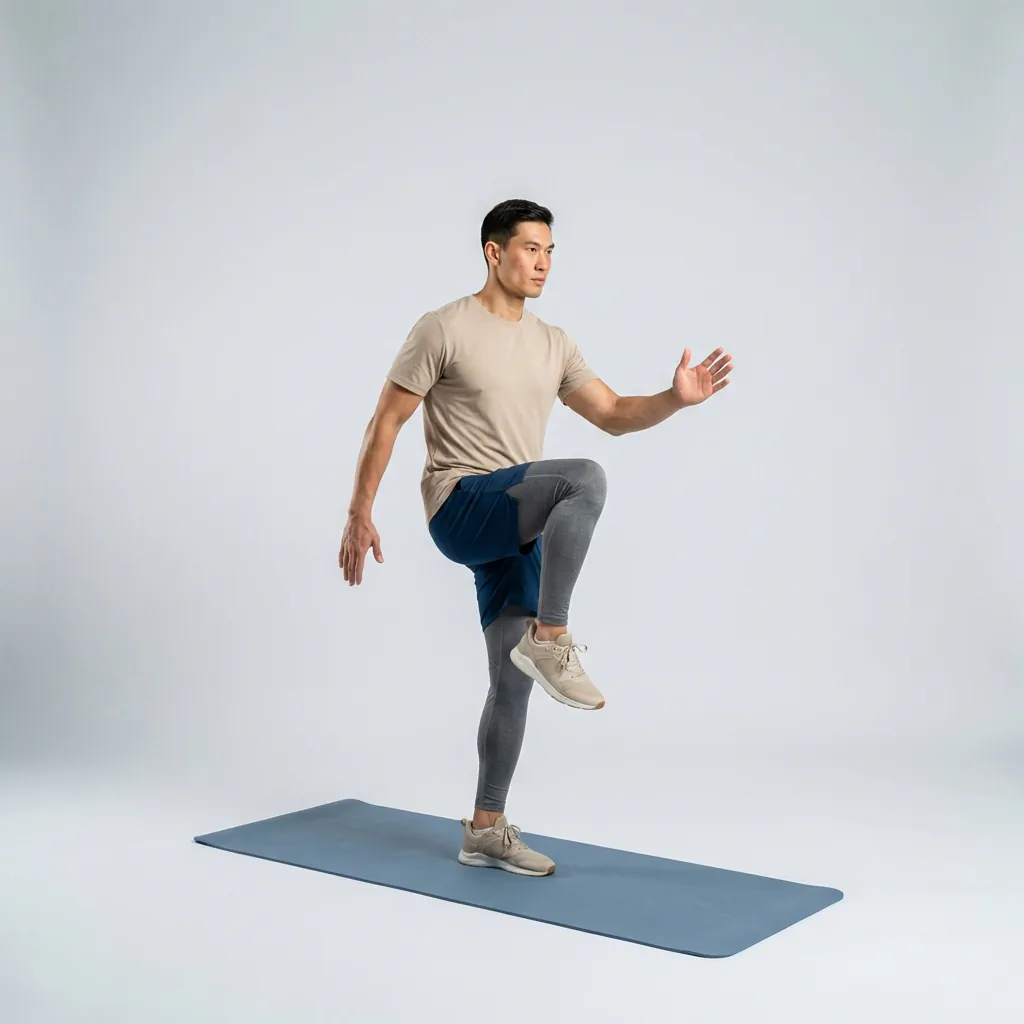




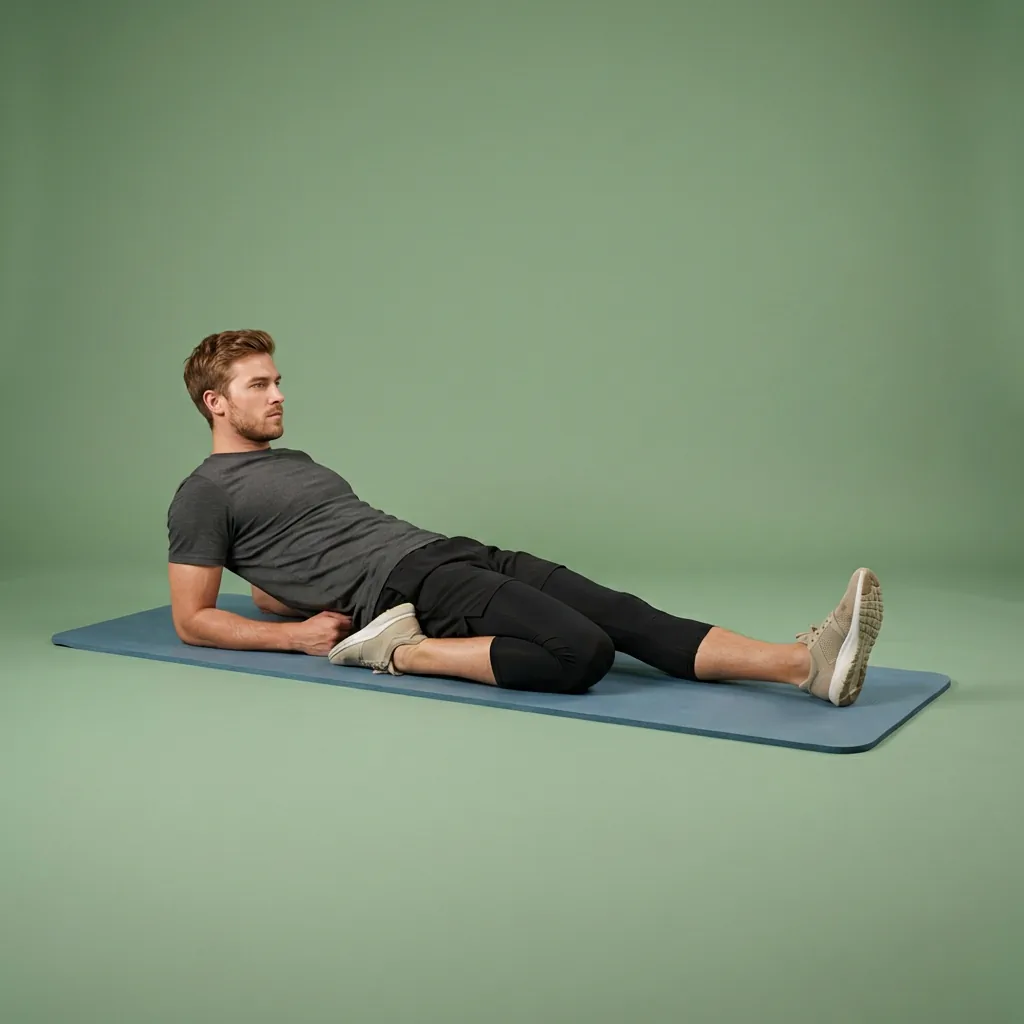
















Explore related body areas
Go deeper on a single area with its own exercises, routines, and guidance.
Common questions
Direct answers about stretching for runners.
Which areas should runners focus on?
Running mainly loads the lower body, so the calves and Achilles area, ankles, hips, hip flexors, hamstrings and glutes are common focus points. Flexor lets you build warm-up, cool-down and recovery around those areas, and the body-area guides explain each in more depth. Your own history matters too, so give more attention to areas that tend to feel tight for you, and seek advice for any pain that is sharp, persistent, or worsening.
Will stretching prevent running injuries?
No. Sensible preparation and recovery can help you feel ready and wind down well, but no routine guarantees injury prevention, and Flexor makes no such claim. Injury risk depends on many factors, including training load, footwear, surfaces, sleep and individual history. Build mileage and intensity gradually, listen to your body, and get proper assessment for pain that is sharp, persistent, or worsening rather than trying to stretch through a developing problem.
How is this different from the calves body-area page?
This activity page curates warm-up, mobility and recovery routines around the demands of running as a whole, spanning several areas in one session. A body-area page such as calves teaches one region in depth, with its own exercises and routines. Use this page to plan a run-focused session before or after training, and open a body-area guide when you want to understand or give extra attention to a single area.
Can stretching prevent injuries?
No routine can guarantee injury prevention. Injury risk depends on workload, technique, recovery, previous injury, environment and many other factors. Use stretching and mobility as general preparation and wellness support, not as a substitute for suitable coaching, load management or healthcare.
What should I do if a movement causes pain?
Stop or reduce the range rather than pushing through it. Flexor cannot see your movement or diagnose the cause. Seek professional assessment for sharp, persistent, worsening or unusual pain, symptoms after trauma, or pain with swelling, weakness, numbness or instability.
Should I stretch before or after running?
Both can have a place, but the purpose differs. Before running, use controlled dynamic movement to prepare without creating fatigue. Afterwards, slower movement and comfortable holds may suit recovery. A separate mobility session can be used when you want more focused range work.
How long should a running mobility routine be?
Use the shortest routine that meets the purpose. A brief preparation sequence may be enough before activity, while a focused mobility or recovery session can be longer when time allows. Session quality, relevance and consistency matter more than duration alone.
Keep exploring
More guides on stretching, mobility, routines, and Flexor features.
Stretching by activity
Stretching and mobility, matched to your activity.
Find guided Flexor warm-up, mobility and recovery routines organised by activity, from running and weightlifting to cycl...
Read more Pre-workout mobility
Prime your body before training with guided pre-workout mobility.
Prepare for training with guided dynamic mobility and warm-up routines organised by activity, duration and movement focu...
Read more Post-workout recovery
Cool down and recover with guided post-workout stretches.
Cool down with guided post-workout stretches and recovery-focused routines matched to your activity, time and focus area...
Read more
Mobility for fitness and everyday movement
Build controlled, usable movement—one short guided session at a time.
Improve mobility with guided routines, progress tracking and personalised daily recommendations designed around how you...
Read more
Workout preparation and wind-down
Warm-up and cool-down routines have different jobs.
Learn the difference between a dynamic warm-up and a gentler cool-down, with simple routine frameworks and guided Flexor...
Read more