
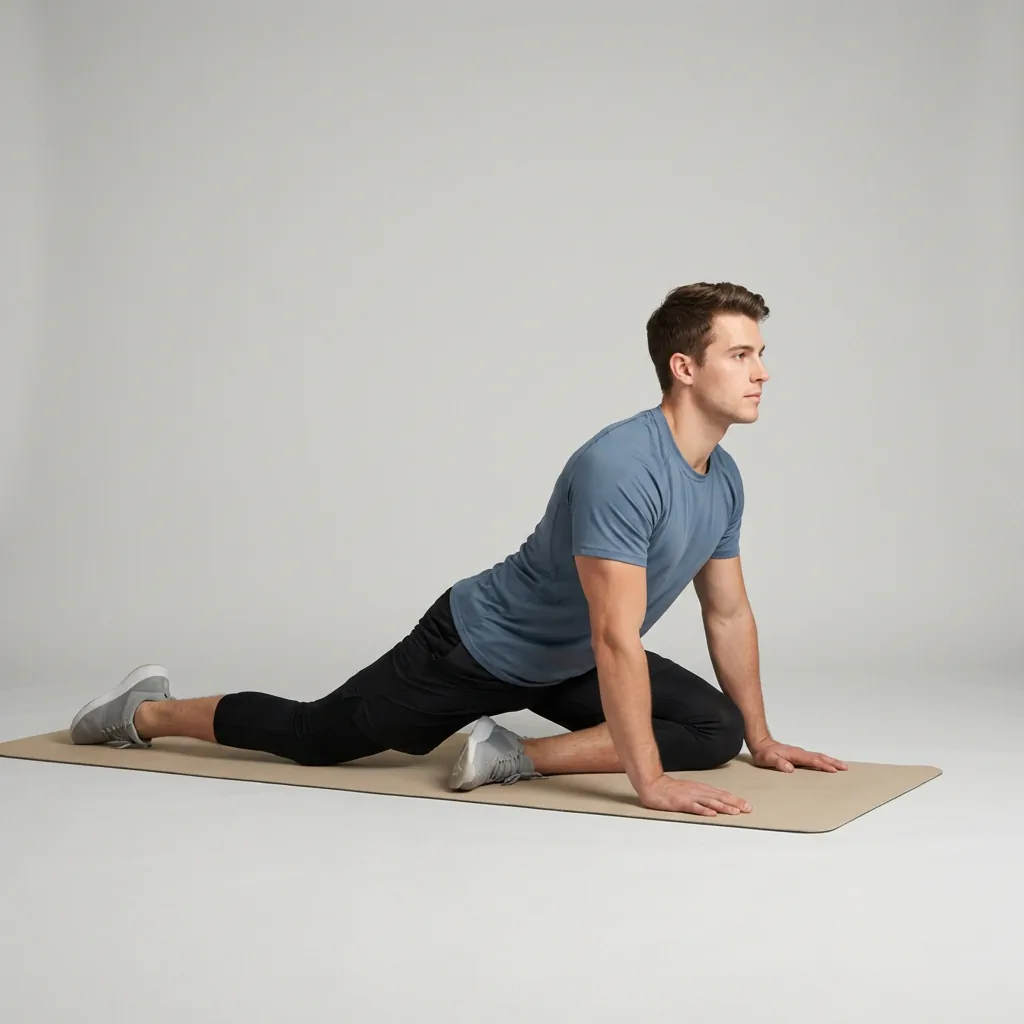
Flexor vs Pliability
Flexor vs Pliability: personalised routines or guided recovery classes.
Flexor and Pliability (formerly ROMWOD) both support mobility, but in different formats. Pliability is known for follow-along video classes with a long-hold, recovery and breathing emphasis, while Flexor personalises shorter guided stretching and mobility routines from what you tell it. This comparison is balanced, dated and sourced. Last checked: July 2026. It is written for people choosing between flexible personalised routines and longer instructor-led mobility and recovery classes.
Last checked
Positioning reviewed in July 2026; check both app listings for current details.
Balanced view
Strengths and limits for both Flexor and Pliability.
Sourced facts
Flexor facts are first-party; Pliability claims use its public positioning.
Honest on fit
Clear on who each app suits rather than naming a single winner.
How we compared, and when
This comparison was last checked in July 2026. Flexor details are first-party product facts. Pliability details are based on its publicly available positioning as a mobility and recovery app—previously ROMWOD—at the time of writing, not on private data.
Features and prices change, so treat this as a dated snapshot. Where a competitor's current price or tier is uncertain, we say so and point you to Pliability's own app store listing rather than guessing. We update the checked date whenever we revise this page.
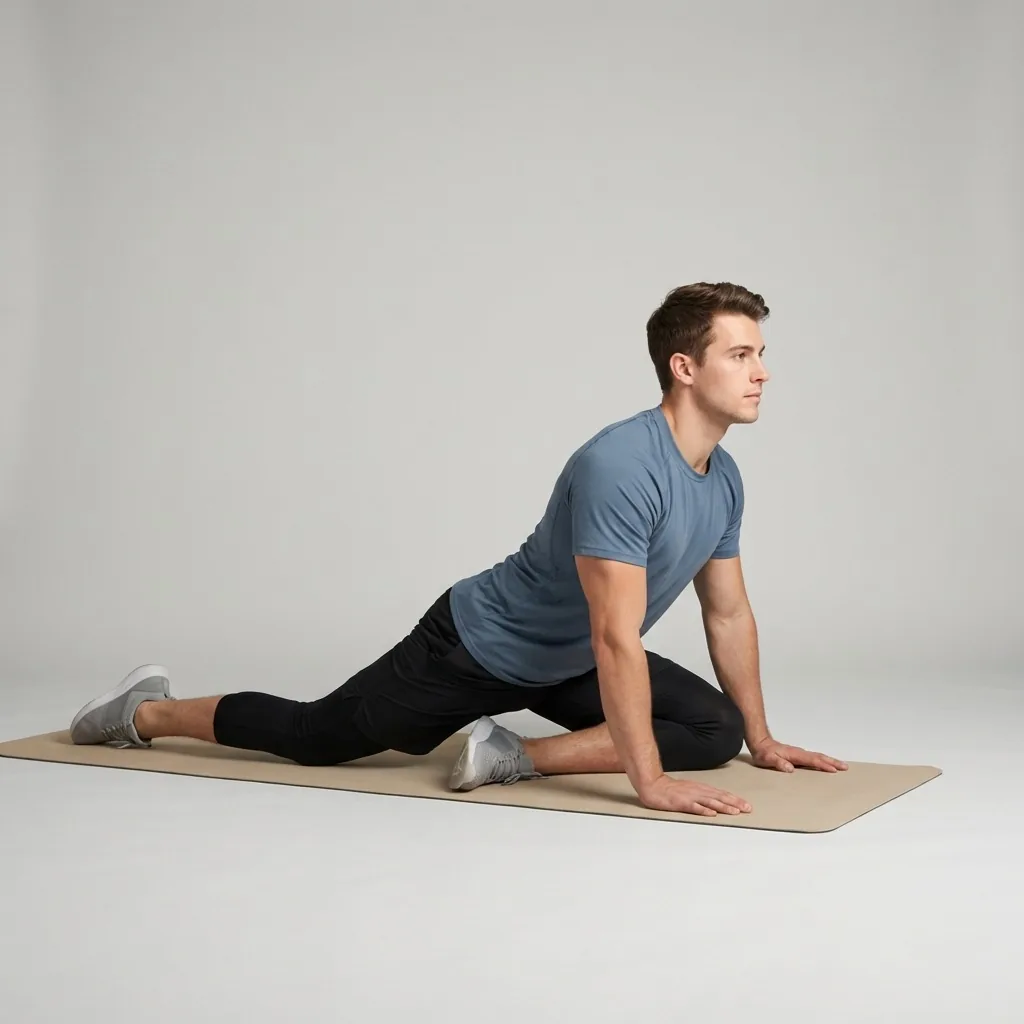
Where Flexor stands out
Flexor is built around personalised routine discovery rather than a class timetable. It recommends what to do next from your goals, focus areas, time, experience and recent sessions, and its AI can turn a plain-language request into a guided routine to review. It adds multi-day plans, a custom routine builder, progress and streaks, reminders, offline playback and casting, and it keeps a full free plan with optional Premium at £9.99 per month or £24.99 per year in the UK.
Because sessions can be short and matched to the time you have, Flexor fits people who want a flexible daily habit rather than committing to a longer follow-along class each day.

In Flexor: Recovery-oriented sessions after activity.
Where Pliability stands out
Pliability's strength is its guided video-class library with a calm, long-hold recovery and breathing focus, well regarded among athletes for down-regulation and range-of-motion work. If you like pressing play on a longer instructor-led class and following it end to end, especially for recovery days, that format is a genuine draw.
For people who value the discipline and atmosphere of a daily follow-along class over building their own sessions, Pliability's class-first approach may suit them better than a routine-builder app.
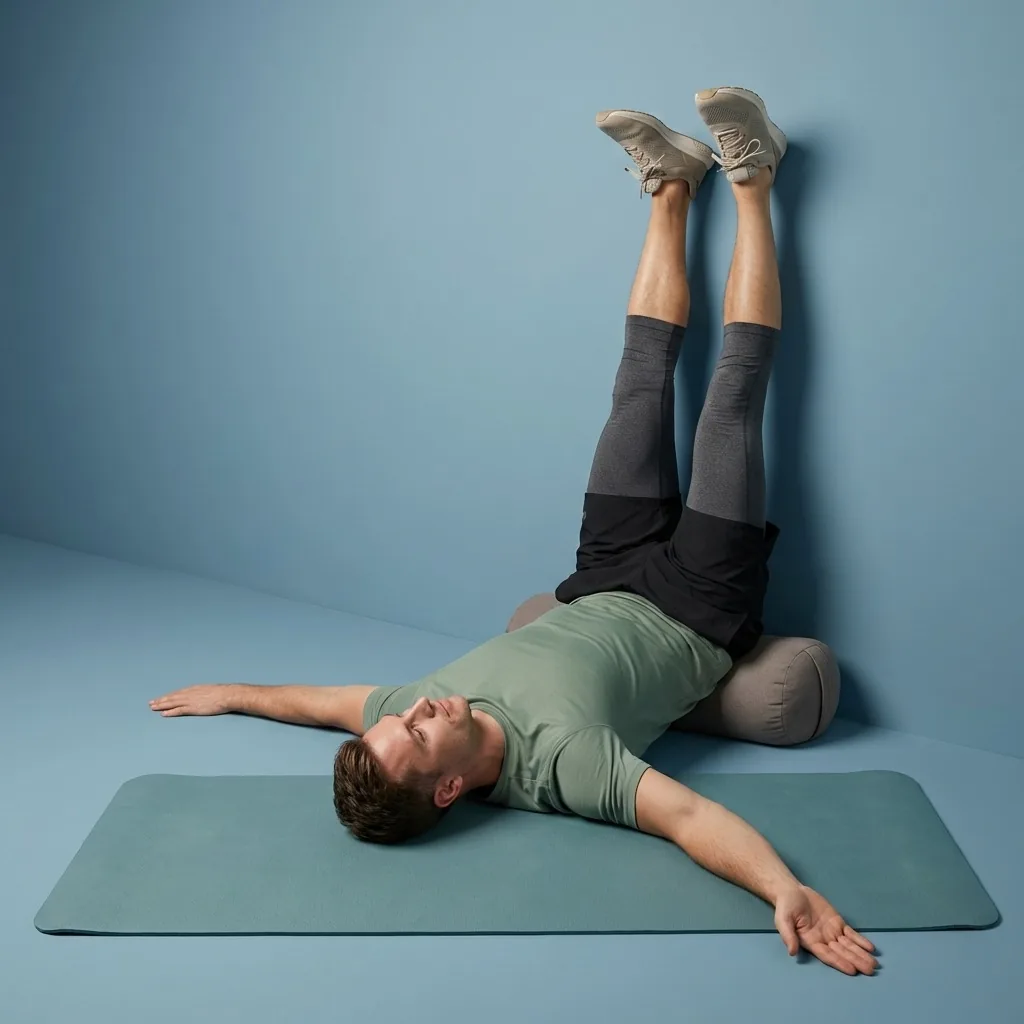
Limitations on both sides
Flexor is not an instructor-led class product and does not centre on long-hold recovery classes; its personalisation is built from what you tell it rather than a body scan, and detailed dashboard statistics sit behind Premium. It is a general fitness and wellness app, not a medical or injury-rehab tool.
Pliability leans toward longer follow-along classes, which can be more time and less on-demand personalisation than someone wanting a quick, tailored daily routine may want, and its full experience is subscription-based. Confirm Pliability's current pricing and free-trial terms on its own app store listing, as competitor tiers change over time.
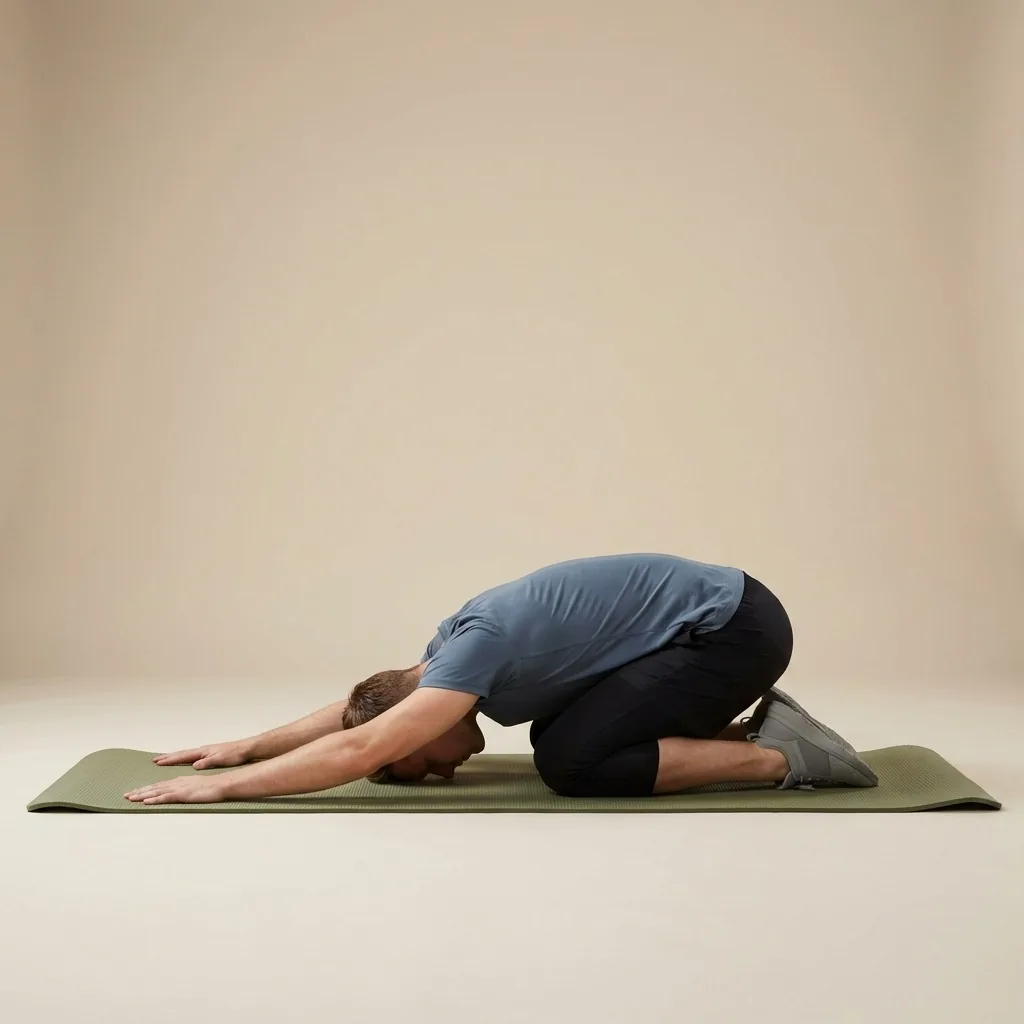
Personalised routines vs guided classes.
Checked in July 2026. Where a price is uncertain, we send you to the official listing.
Which app suits you best
Choose Flexor if you want personalised, time-flexible stretching and mobility routines with AI, plans, tracking and a strong free plan. Choose Pliability if you prefer guided long-hold recovery and mobility video classes to follow end to end. Both are credible mobility tools; the right one depends on whether you want tailored routines or instructor-led classes.
What this comparison does not measure
This page compares publicly described product features and intended use. It does not score exercise quality through a clinical trial, verify every routine by completing the full catalogue, or claim that one app produces better health outcomes.
Individual experience depends on consistency, preferences, device, region and current subscription tier. App-store listings and official product pages remain the source of truth for current availability and pricing.
The practical verdict
There is no universal winner. The better choice is the product whose format, level of guidance and pricing model match the habit you will realistically maintain.
- Choose Flexor if: Short, time-flexible routines matched to daily needs
- Choose Flexor if: AI-assisted routine creation, plans, custom routines and progress tracking
- Choose Flexor if: People who want a broad free plan rather than a class-first subscription experience
- Choose the alternative if: Users who enjoy calm, instructor-led video classes
- Choose the alternative if: Long-hold recovery, breathing and down-regulation sessions
- Choose the alternative if: Athletes who prefer following a complete class from start to finish
Flexor and Pliability side by side
A feature-level snapshot, last checked July 2026. Confirm current pricing and tiers on each app's official listing before you decide.
| Capability | Flexor | Pliability |
|---|---|---|
| Main focus | Personalised stretching and mobility routines | Guided long-hold mobility and recovery classes |
| Format | Timed routines matched to your available time | Follow-along instructor-led video classes |
| Personalisation | Daily recommendations from your goals and recent sessions | Class selection; less individually adaptive |
| AI routine generation | Yes—describe a goal and review a generated routine | Not a core feature |
| Session length | Short to longer, chosen by you | Often longer follow-along classes |
| Free access | Full catalogue, plans, custom routines, reminders and offline for free | Check Pliability's listing for current free-trial and paid terms |
| Pricing | Free, with optional Premium £9.99/month or £24.99/year in the UK | Check Pliability's App Store or Google Play listing for current pricing |
| Instructor presence | Exercise demonstrations and spoken guidance without a class instructor | Instructor-led follow-along video classes |
| Routine planning | Plans, custom routines and daily recommendations | Class library and programme selection |
| Quick sessions | Designed to support short as well as longer sessions | Often better suited to longer follow-along sessions |
| Offline use | Available for downloaded app content | Confirm current download and offline options in Pliability's official listing |
| Large-screen support | Casting support for guided routines | Confirm current TV and casting support in Pliability's official listing |
Sources and further reading
These independent sources support the general guidance on this page. They do not endorse Flexor.
Quick facts
- Last checked
- July 2026
- Comparison
- Flexor vs Pliability
- Flexor pricing
- Free; optional Premium £9.99/mo or £24.99/yr (UK)
- Pliability pricing
- Check its official App Store or Google Play listing
Where to start
You want personalised, time-flexible routines with AI and tracking
Flexor fits a flexible daily habit.
You prefer guided long-hold recovery and mobility classes
Pliability's class-first format may suit you better.
You like following an instructor-led class end to end
Pliability is built around that; Flexor builds routines instead.
Related routines
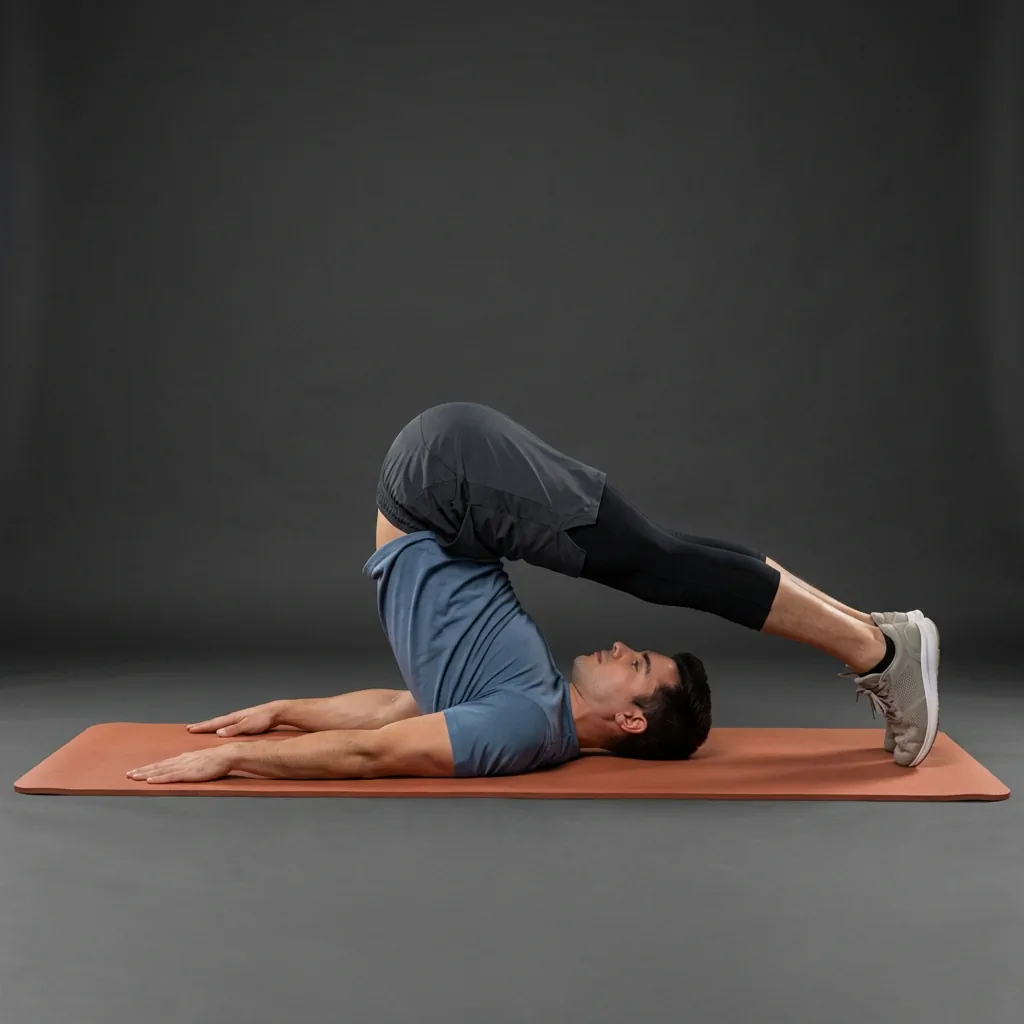
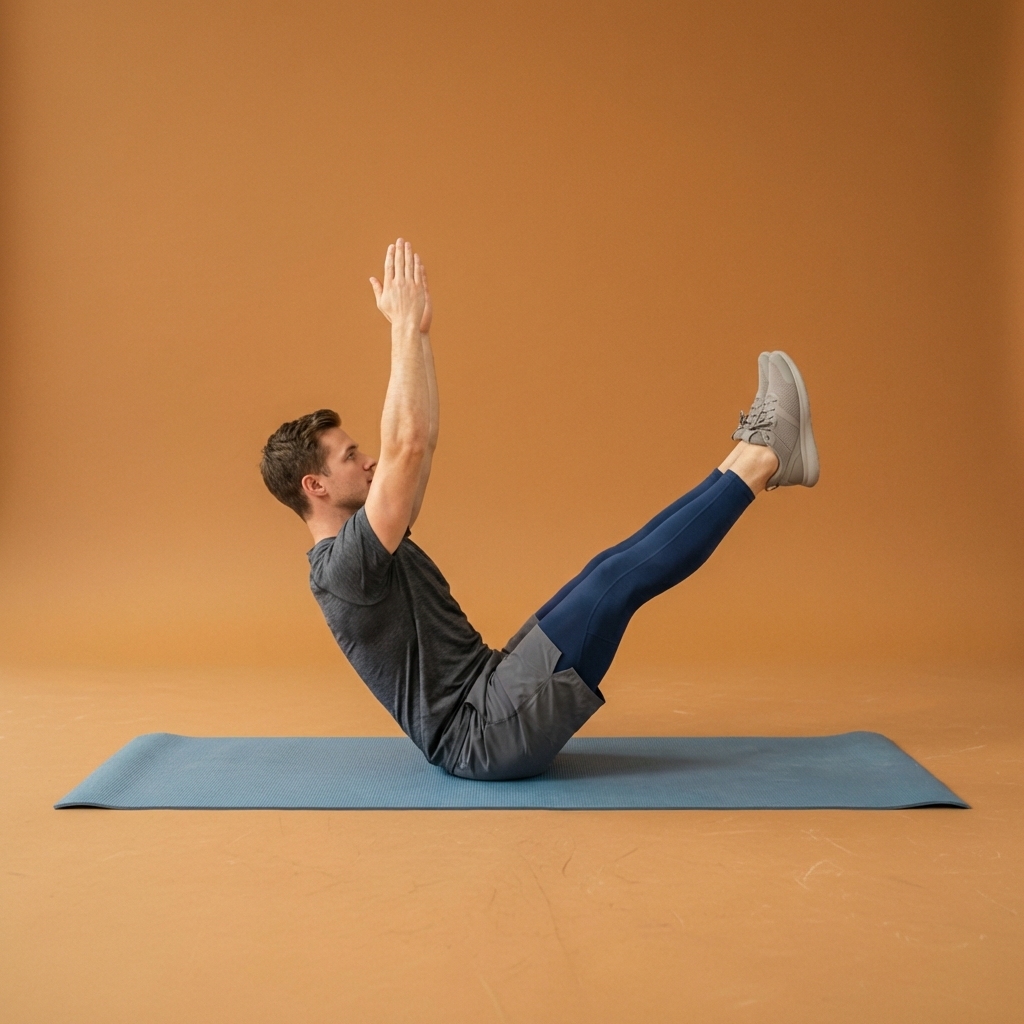
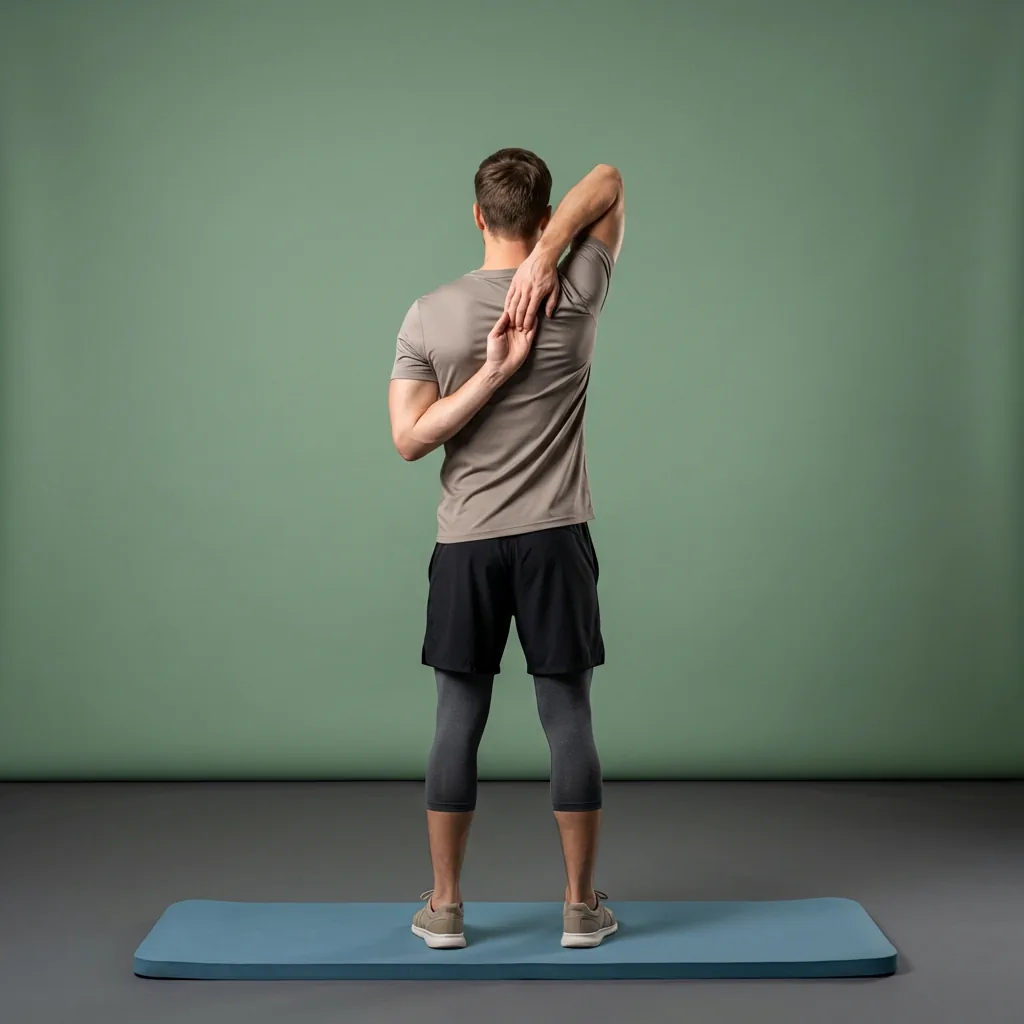
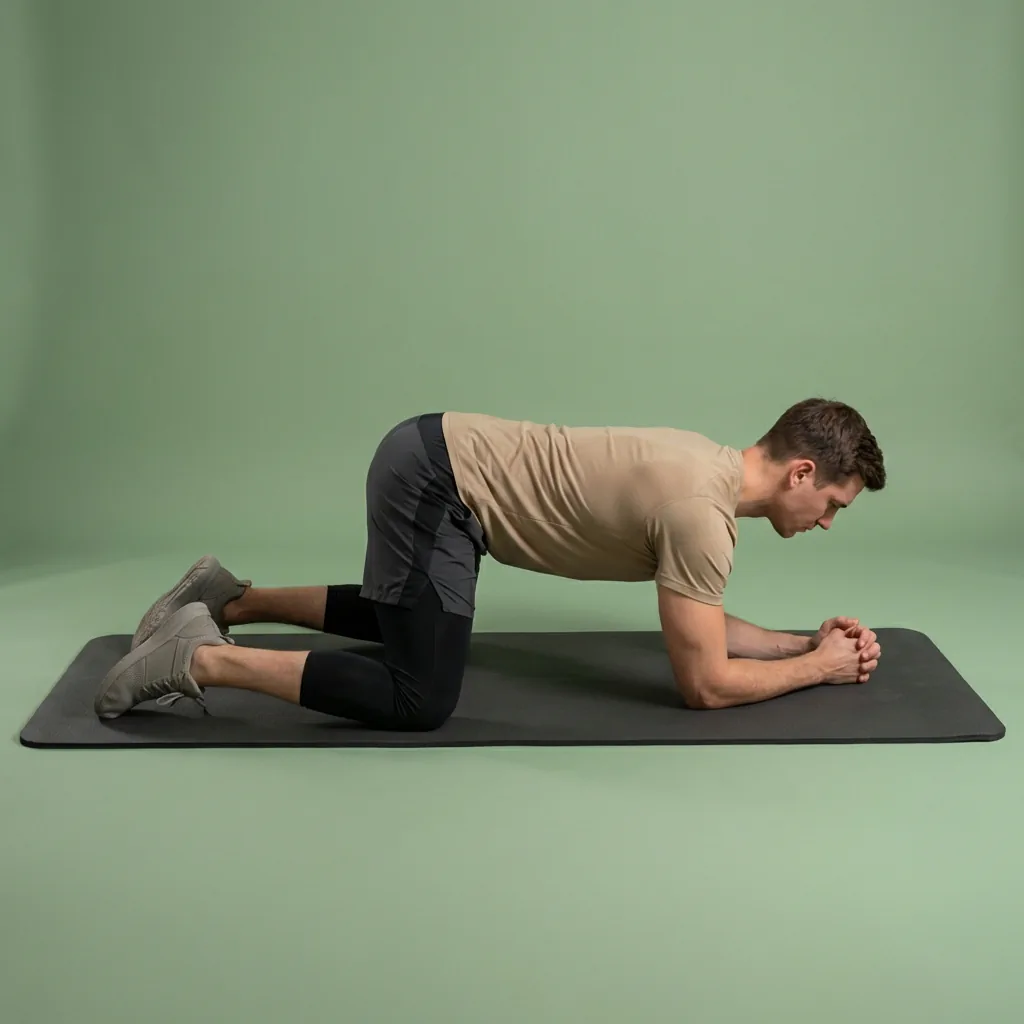
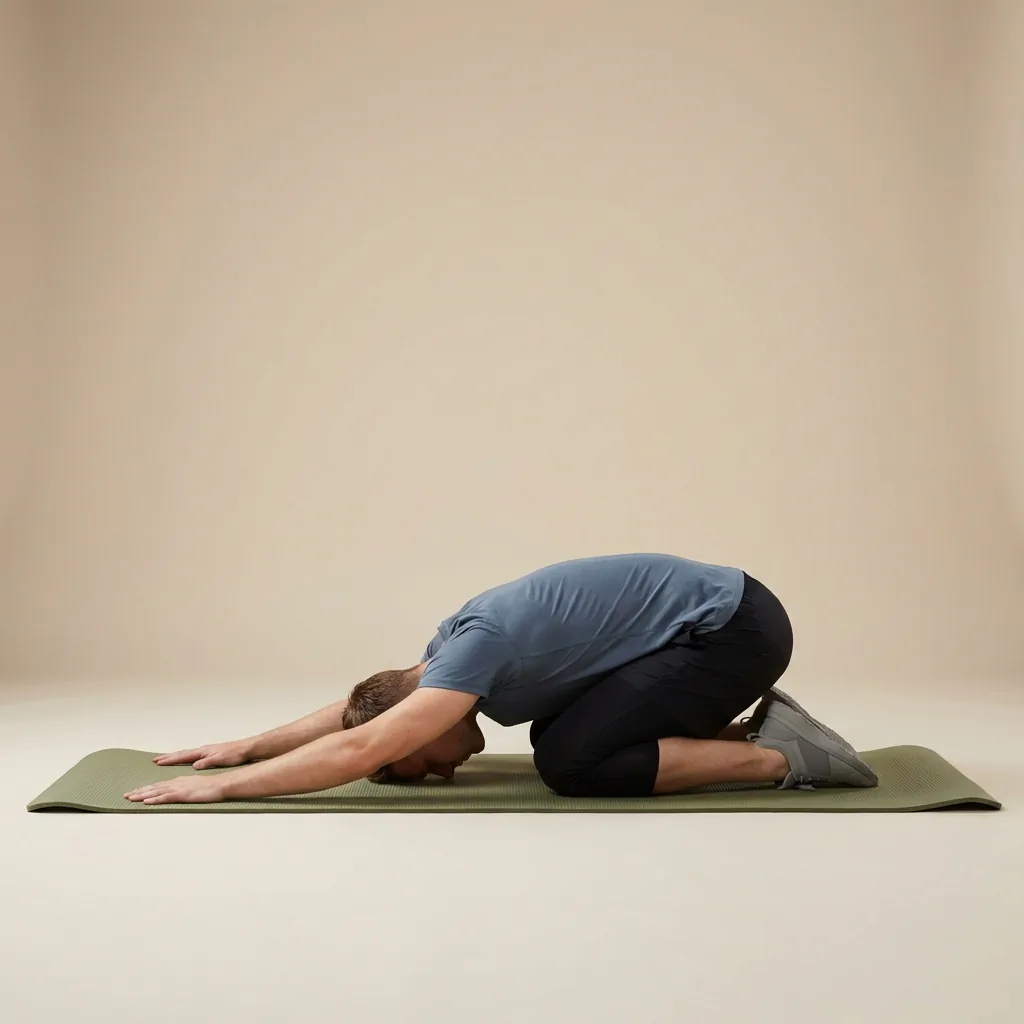
Browse guided Flexor sessions that match this page, then open any routine for steps and cues.























Common questions
Frequently asked questions
Is Flexor or Pliability better for mobility and recovery?
They take different formats. Flexor suits people who want personalised, time-flexible routines with AI, plans, tracking and a strong free plan. Pliability suits people who prefer guided long-hold recovery and mobility video classes to follow end to end. This comparison was last checked in July 2026, and because both apps update often, confirm current features and pricing on each app's own listing before deciding rather than relying on a fixed snapshot.
Is Pliability the same as ROMWOD?
Pliability is the rebranded name for what was previously known as ROMWOD, a mobility and recovery app with a long-hold, breathing-led video-class focus. This page reflects Pliability's publicly available positioning as of July 2026 rather than private data. Because branding, features and pricing can change, treat this as a dated snapshot and check Pliability's own App Store or Google Play listing for its current details before deciding.
How current and fair is this comparison?
It was last checked in July 2026 and aims to be balanced. Flexor details are first-party product facts, while Pliability details reflect its publicly available positioning at that time, not private data. We describe strengths and limits on both sides and avoid inventing competitor pricing, pointing you to Pliability's own listing for current terms. Because apps change, we treat this as a dated snapshot and update the checked date when we revise it.
Which app is better for short daily sessions?
Flexor is the stronger fit when you want to choose a short session around the time you have. Pliability is more class-led and may suit users who prefer setting aside time for a complete follow-along recovery or mobility class.
Which app feels more like an online class?
Pliability. Its core appeal is the instructor-led, follow-along video format. Flexor is closer to a personalised routine player with exercise demonstrations, spoken cues, custom routines and AI-assisted discovery.
Can either app replace physiotherapy?
No. Both should be treated as fitness and wellness tools rather than substitutes for assessment, diagnosis or individual rehabilitation from a qualified clinician.
More in App comparisons
See allKeep exploring
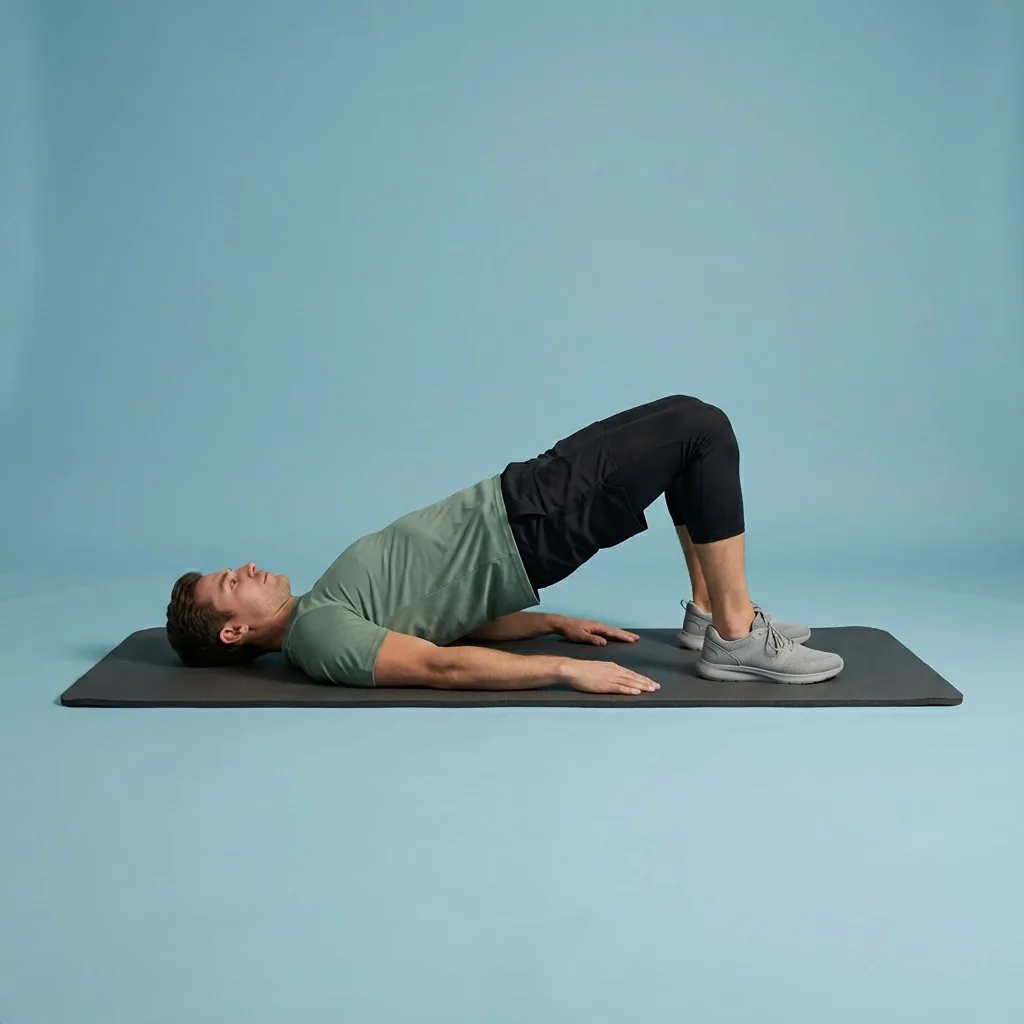
More guides on stretching, mobility, routines, and Flexor features.
App comparisons
How Flexor compares with other stretching and mobility apps.
Balanced, dated and sourced comparisons of Flexor and leading stretching and mobility apps—Bend, GOWOD, Pliability and S...
Read more An honest first-party look
Is Flexor the best stretching app for you? Here's an honest look.
Evaluate Flexor for guided stretching, mobility, AI routines, daily recommendations, tracking, offline access and a usef...
Read more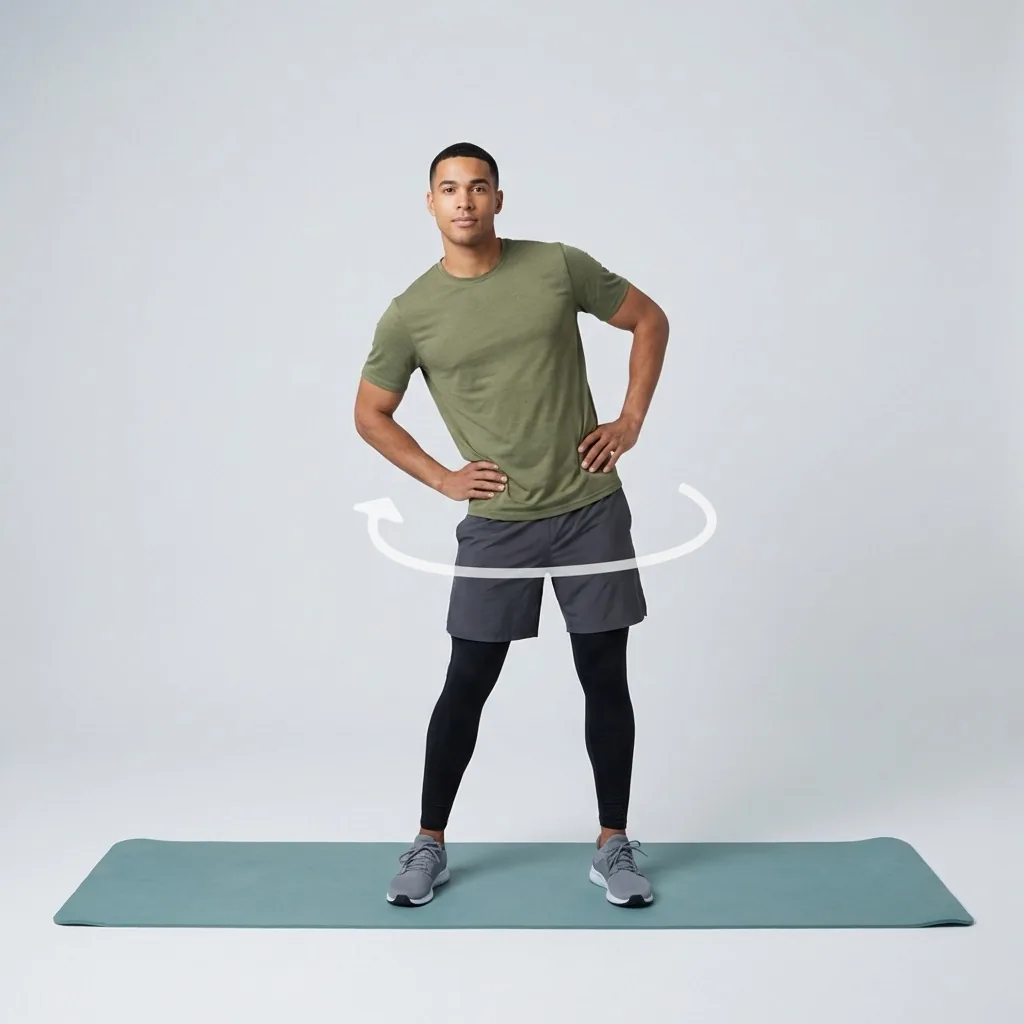
Mobility for fitness and everyday movement
Build controlled, usable movement—one short guided session at a time.
Improve mobility with guided routines, progress tracking and personalised daily recommendations designed around how you...
Read more Post-workout recovery
Cool down and recover with guided post-workout stretches.
Cool down with guided post-workout stretches and recovery-focused routines matched to your activity, time and focus area...
Read more Simple pricing information
Flexor is free to start, with optional Premium.
Flexor is free to use with optional Premium at £9.99 monthly or £24.99 yearly in the UK, with equivalent local-currency...
Read more