
Whole body
A full-body reset, head to toe.
A full-body session touches every major area in one flow — hips, back, shoulders, legs and spine — so nothing gets neglected. It is the most efficient way to stay generally mobile when you do not want to target one spot.
These flows are built to feel balanced: a little rotation and extension for the spine, openers for the hips and shoulders, and length through the legs, so you finish looser and more even from head to toe.
Start here
A short, guided starting point for Full Body — begin gently and stay within a comfortable range.
reach tall
Upward Salute
lengthen up
Warrior II
legs and hips
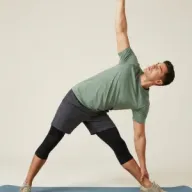
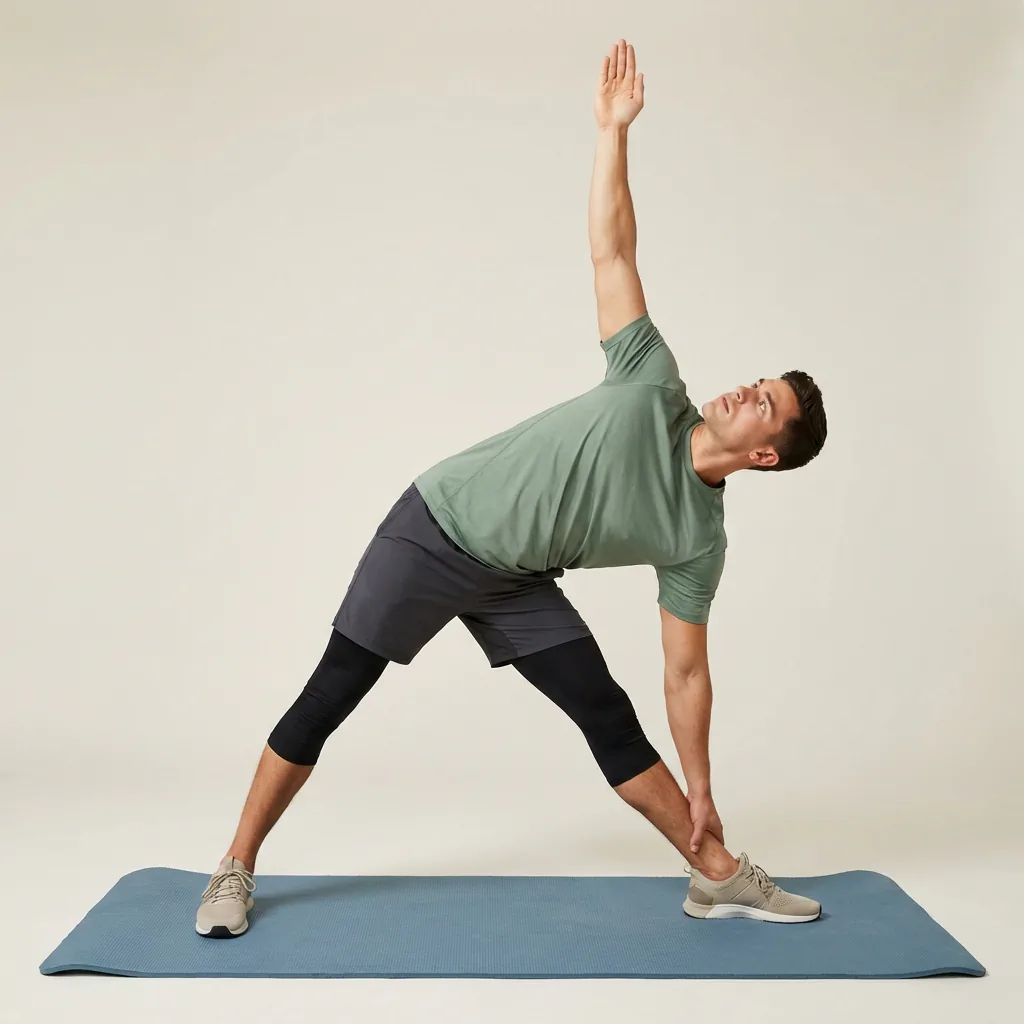
Triangle Pose
side body
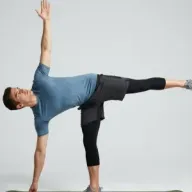
Half Moon Pose
balance and open

Child’s Pose
release
Guided routines to start with
-
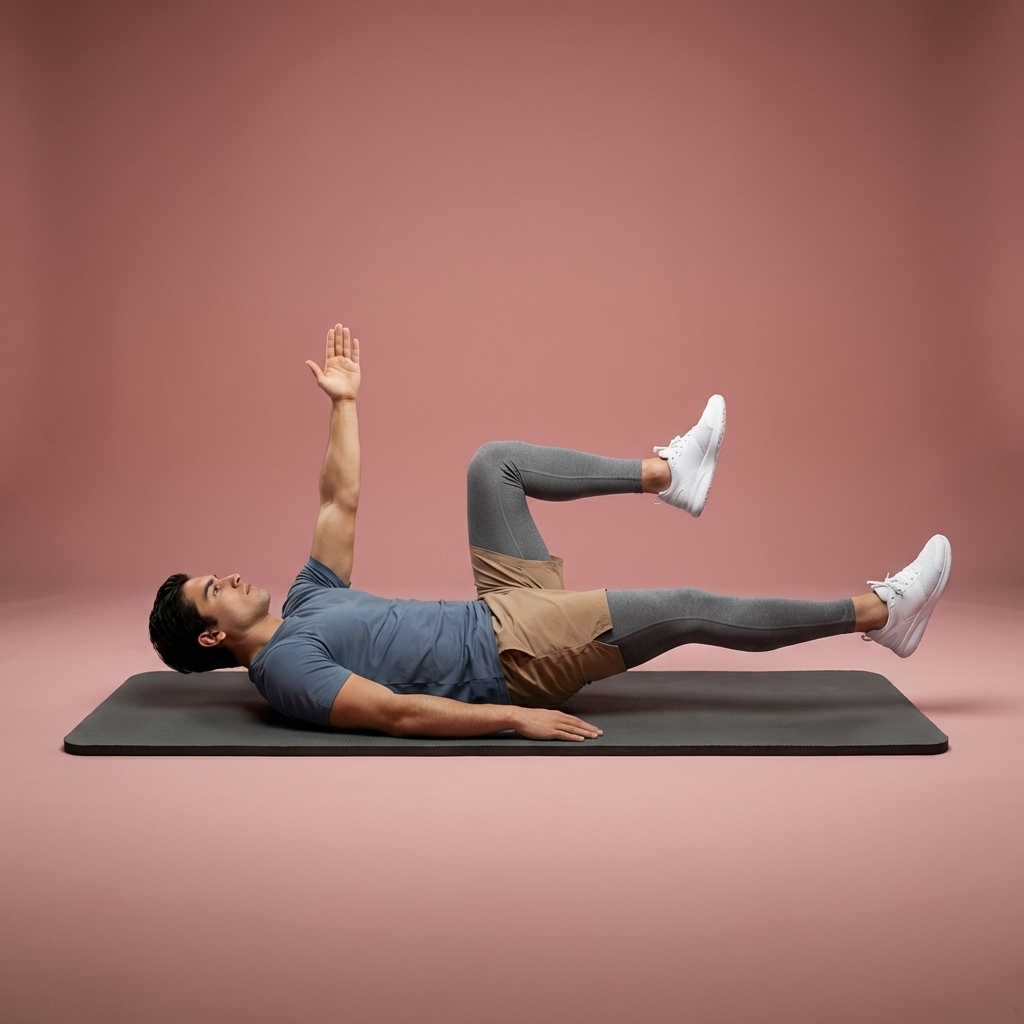 17 min Intermediate
Full Body Flow
An 18-move head-to-toe mobility sequence with hip switches, downward dog, and child's pose for days you need more than a quick shake-out.
-
-
-
-

-
- +13
-
-
 22 min Intermediate
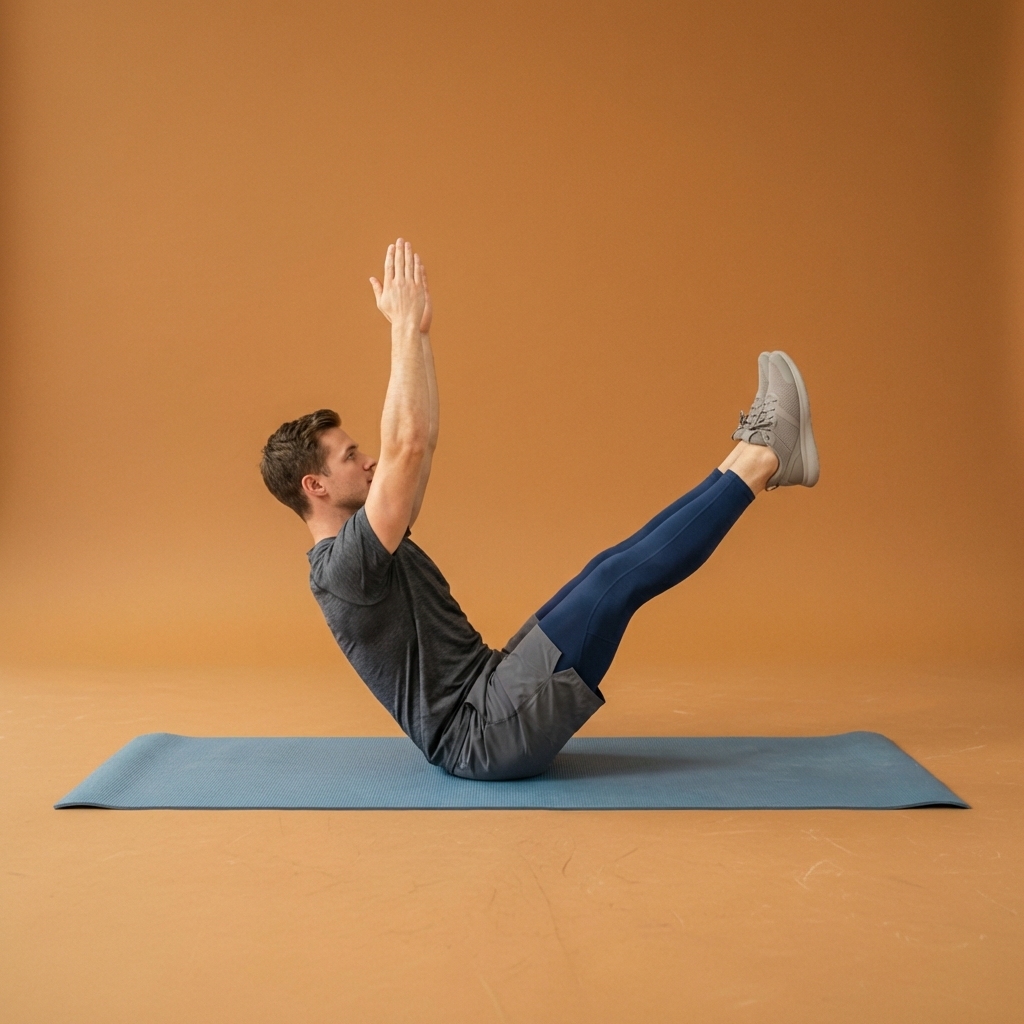
Mobility and Control
A slow 22-move session for end-range joint control — single-leg stand, dead bug, and 90/90 hip switches build active flexibility.
-
-
-
-

-
- +17
-
-
 12 min Advanced
Full-Body Flexibility Builder
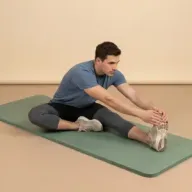
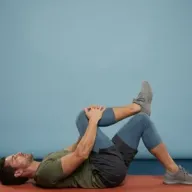
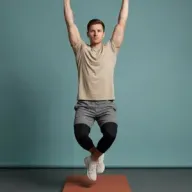
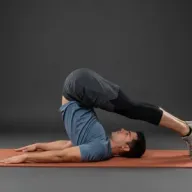
A 12-move advanced flexibility practice for spine, hips, hamstrings, and shoulders with dead hang, figure-four, hurdler, puppy pose, and plow.
-
-
-
-
-

- +7
-
About the Full Body
A full-body session links the major joints and muscle groups — spine, hips, shoulders and legs — rather than isolating one region.
Moving everything in sequence keeps you generally mobile and balanced, so no single area lags behind the rest.
Because it spans the body, a full-body flow naturally overlaps with every focused area, from the hips to the shoulders to the spine.
Ways to work this area
Stretching
Standing poses and folds lengthen the legs, side body and shoulders in turn.
Mobility
Reaches, warriors and twists take the major joints through a full, flowing range.
Control
Balance poses such as half-moon and tree ask the whole body to stabilise together.
Activation
Held standing poses gently switch on the legs and trunk that carry you through the flow.
When people reach for this
A morning wake-up
A short full-body flow eases stiffness and gets the whole body moving to start the day.
Daily StretchingWinding down in the evening
Gentle whole-body movement helps you unwind and release the day before rest.
Daily MobilityA time-short reset
When you cannot target one area, a balanced flow keeps everything generally mobile.
Busy PeopleExercises for Full Body
A head-to-toe flow
Reach tall, work the legs and side body, then release — a balanced whole-body reset. · about 5 min
- 1 Overhead Reach — lengthen up through the spine 30 sec
- 2 Upward Salute — reach and open the front 30 sec
- 3 Warrior II — ground the legs, open the hips 45 sec
- 4 Triangle Pose — lengthen the side body, each side 45 sec
- 5 Half Moon Pose — balance and open, each side 40 sec
- 6 Child’s Pose — fold and release to finish 45 sec
Routines for Full Body
-
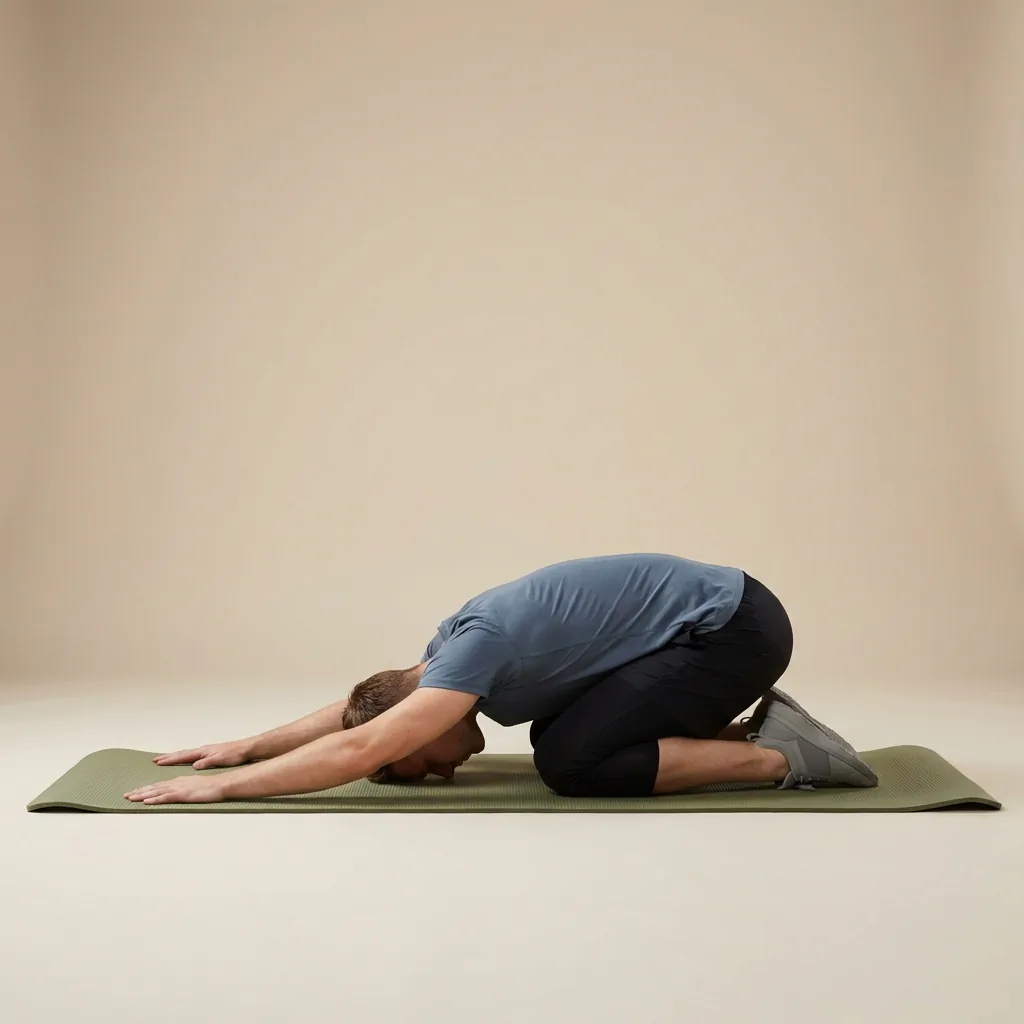 13 min Intermediate
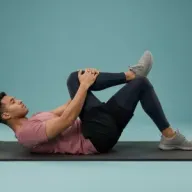
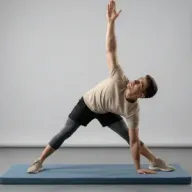
Cool-Down: Full-Body Release
A 13-move head-to-toe cool-down — butterfly, rag doll, spinal twist, and child's pose with timed holds after any session.
-
-
-
-
-
- +8
-
-
17 min Intermediate
Full Body Flow
An 18-move head-to-toe mobility sequence with hip switches, downward dog, and child's pose for days you need more than a quick shake-out.
-
-
-
-
-
- +13
-
-
12 min Advanced
Full-Body Flexibility Builder
A 12-move advanced flexibility practice for spine, hips, hamstrings, and shoulders with dead hang, figure-four, hurdler, puppy pose, and plow.
-
-
-
-
-
- +7
-
-
 11 min Intermediate
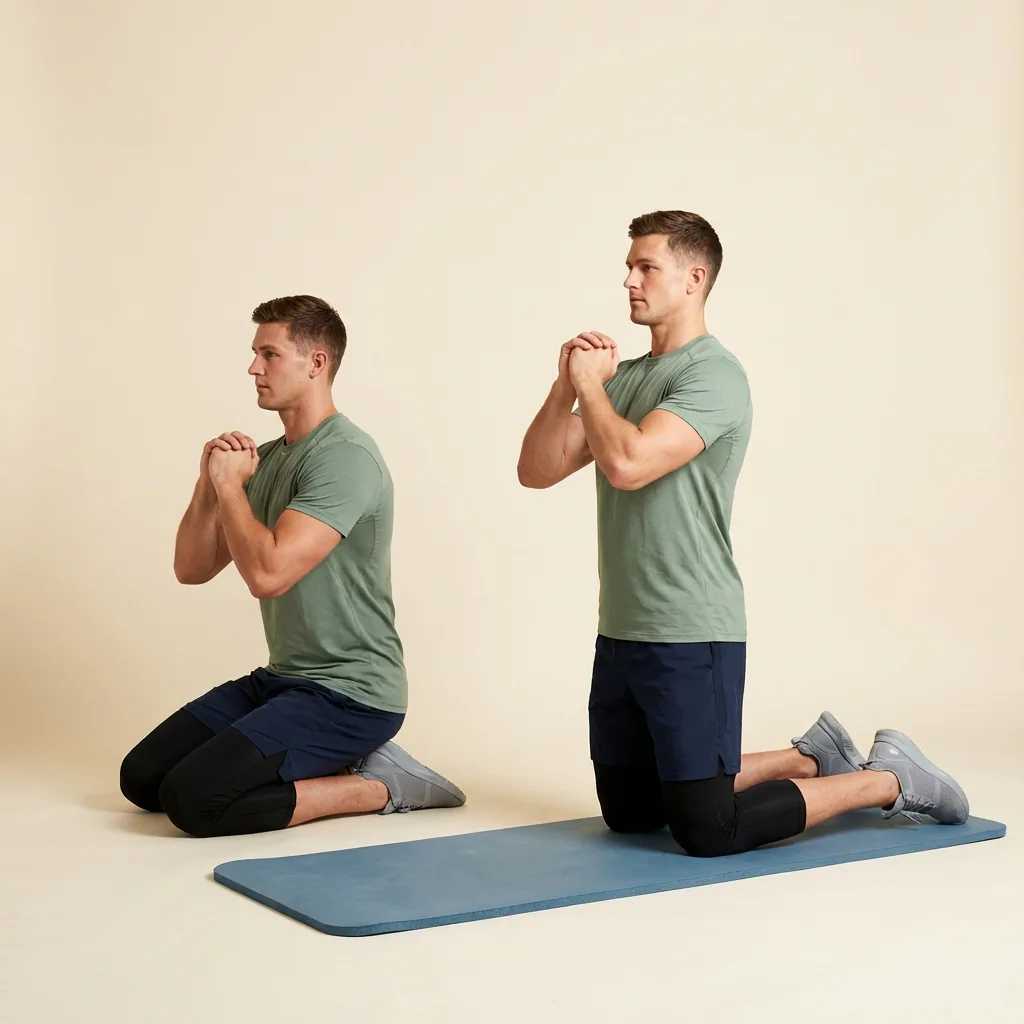
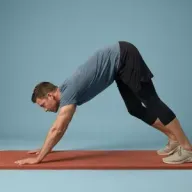
Gentle Mobility Recovery
An easy recovery session using calm, controlled movement and steady breathing across the major joints.
-
-
-

-
-
- +4
-
-
 8 min Beginner
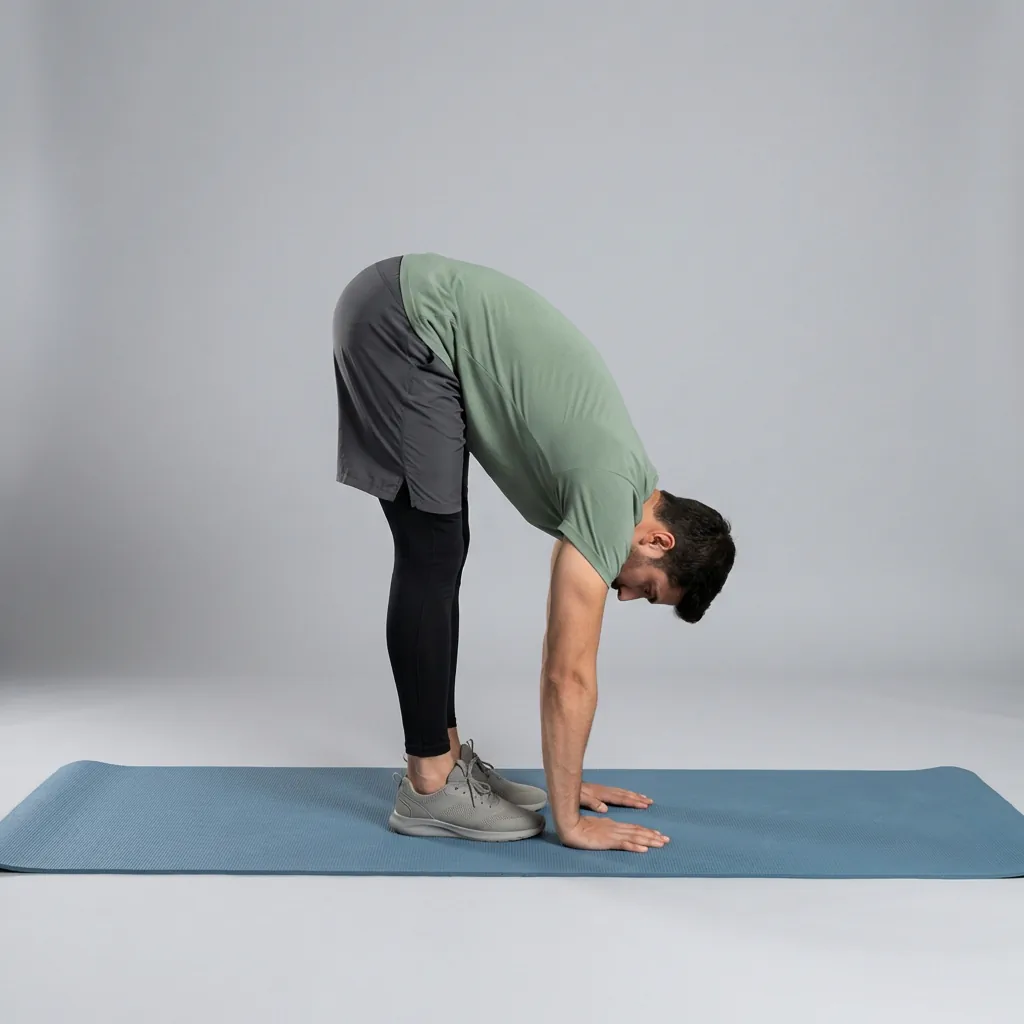
Mini Mobility Boost
An 8-move movement snack — ankle circles, hip circles, zombie walks, and toe touches to wake key joints fast.
-
-
-
-

-
- +3
-
-
22 min Intermediate
Mobility and Control
A slow 22-move session for end-range joint control — single-leg stand, dead bug, and 90/90 hip switches build active flexibility.
-
-
-
-
-
- +17
-
-
 14 min Intermediate
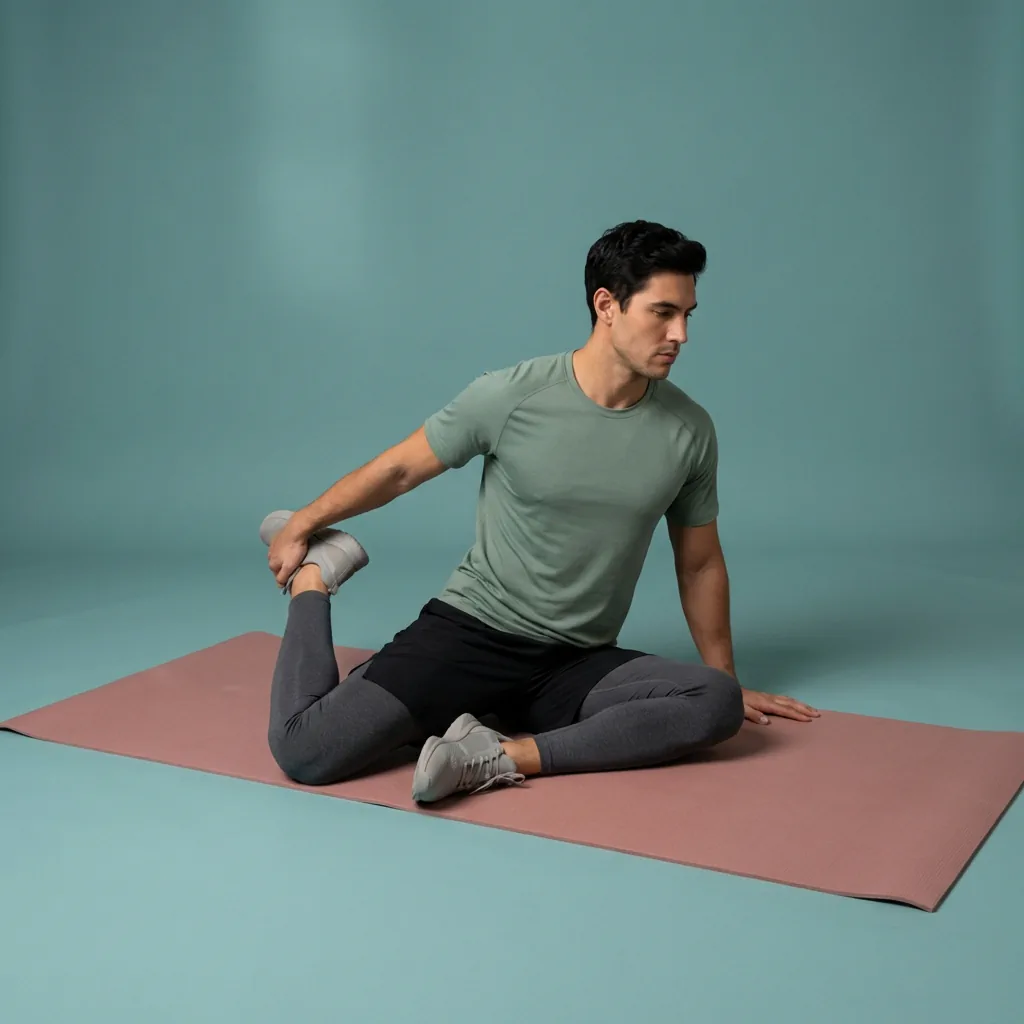
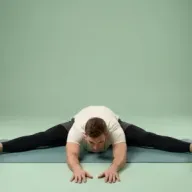
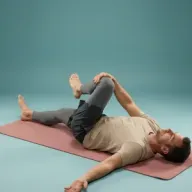
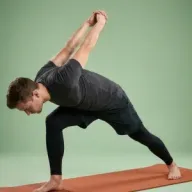
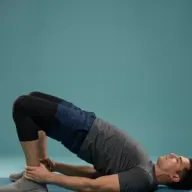
Post-Workout Stretch: Full Body
A 12-move post-training stretch — humble warrior, pancake, and legs-up-the-wall with elongated holds from head to toe.
-
-
-
-
-
- +7
-
-
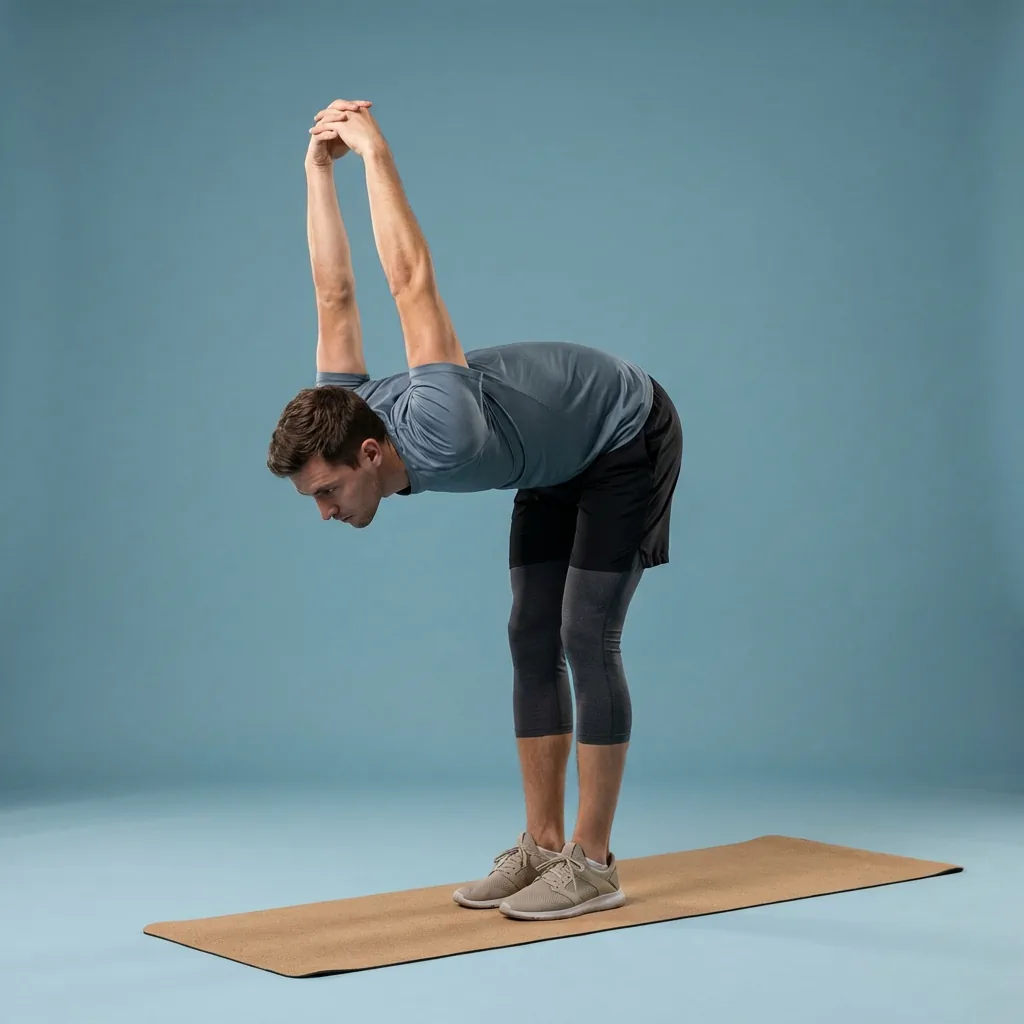 12 min Intermediate
Pre-Workout Mobility: Full Body
A 12-move full-body pre-workout primer with dead hang, cat-cow, figure-four, hurdler, calf stretch, and puppy pose.
-
-
-
-

-
- +7
-
-
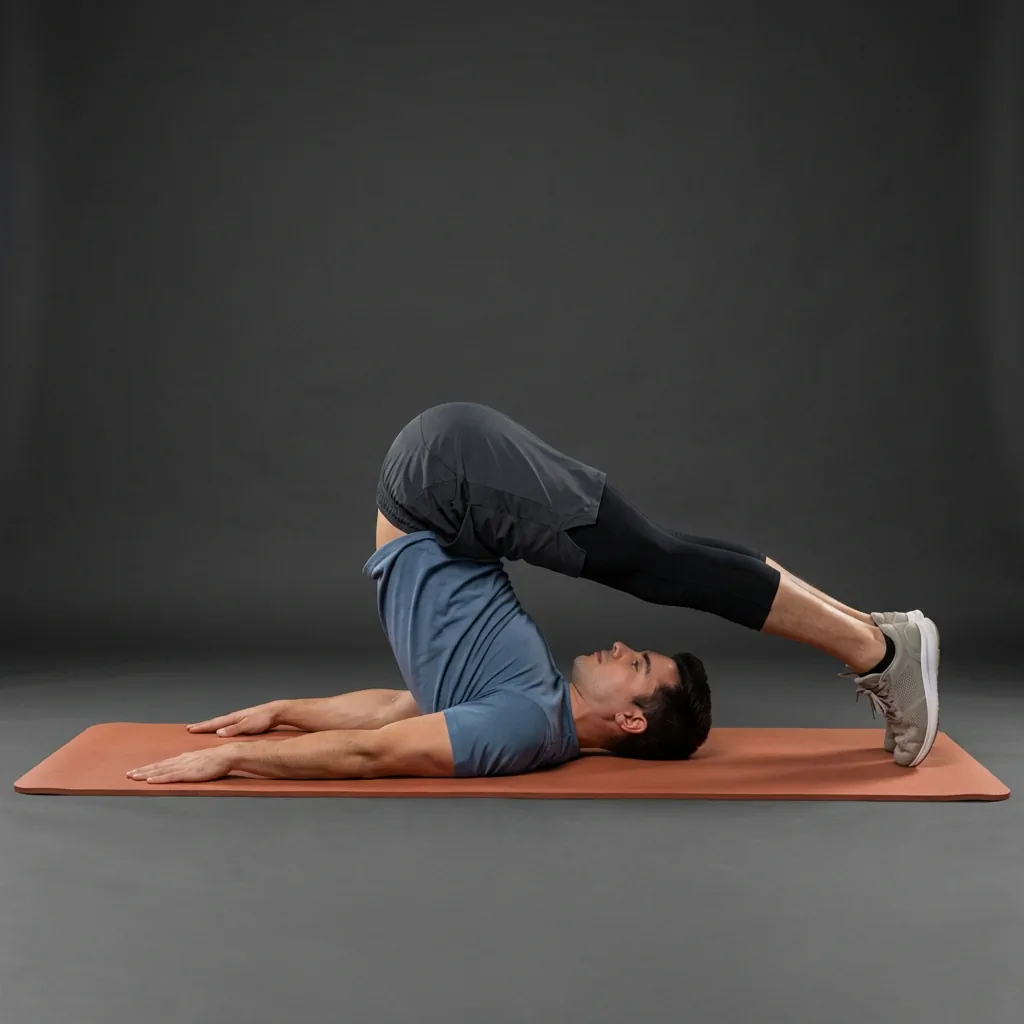 12 min Intermediate
Recovery: Full-Body Reset
A 12-move rest-day support with neck extension, dead hang, forward fold, figure-four, hurdler, puppy pose, and plow.
-
-
-
-
-
- +7
-
-
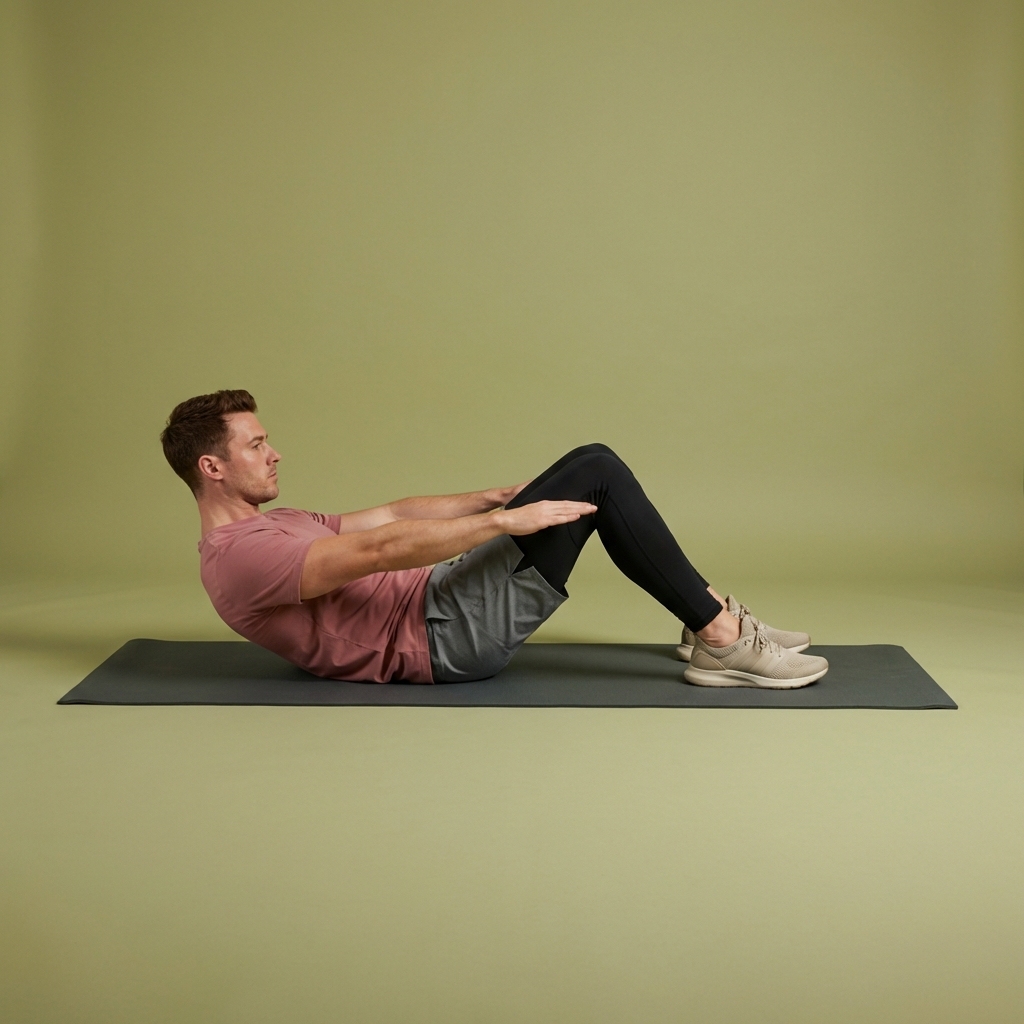 9 min Beginner
Rise and Shine
A bright morning mobility flow — upward salute, cat-cow, and air squats to wake joints from head to toe.
-
-

-
-
-
- +5
-
-
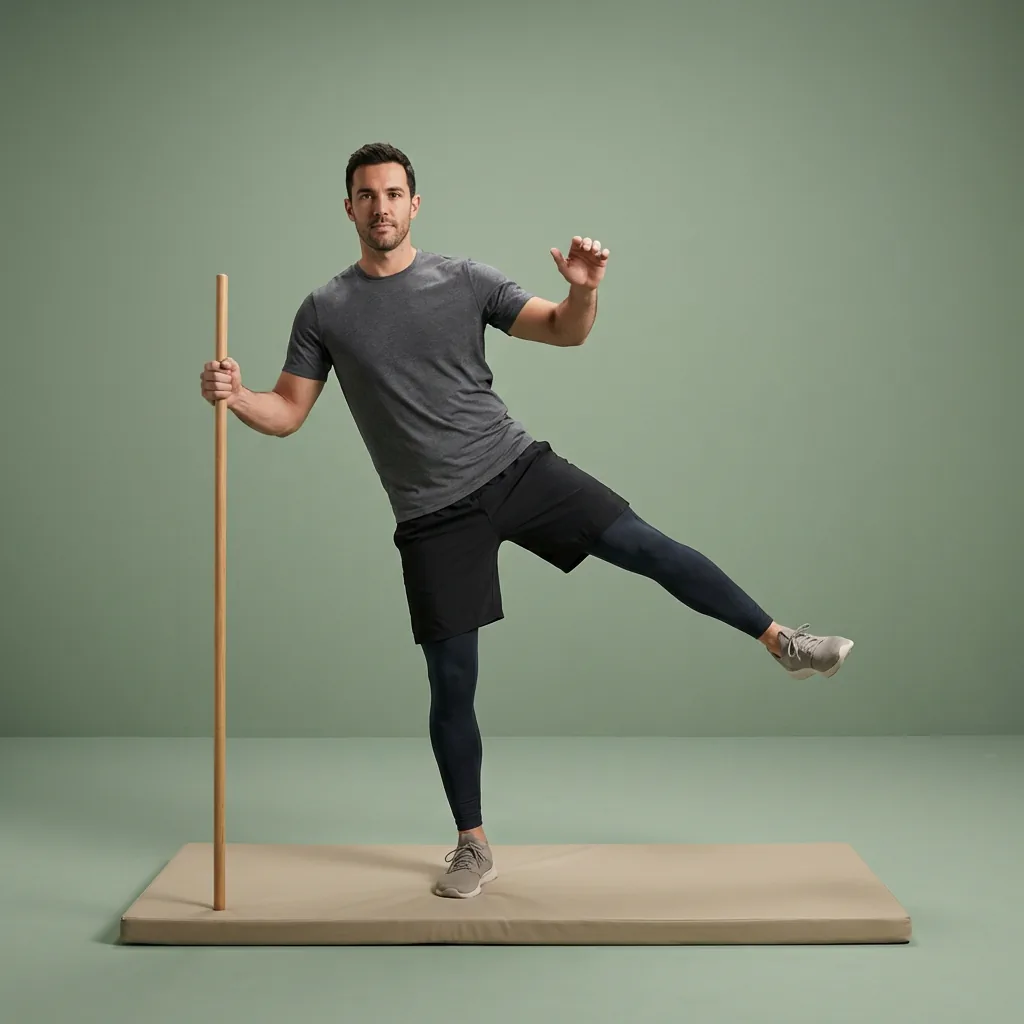 6 min Beginner
Speedy Lower-Body Mobility
A 6-move leg warm-up — adductor rocks, leg swings, hamstring scoops, and air squats to prep hips and legs fast.
-
-
-
-
-
- +1
-
-
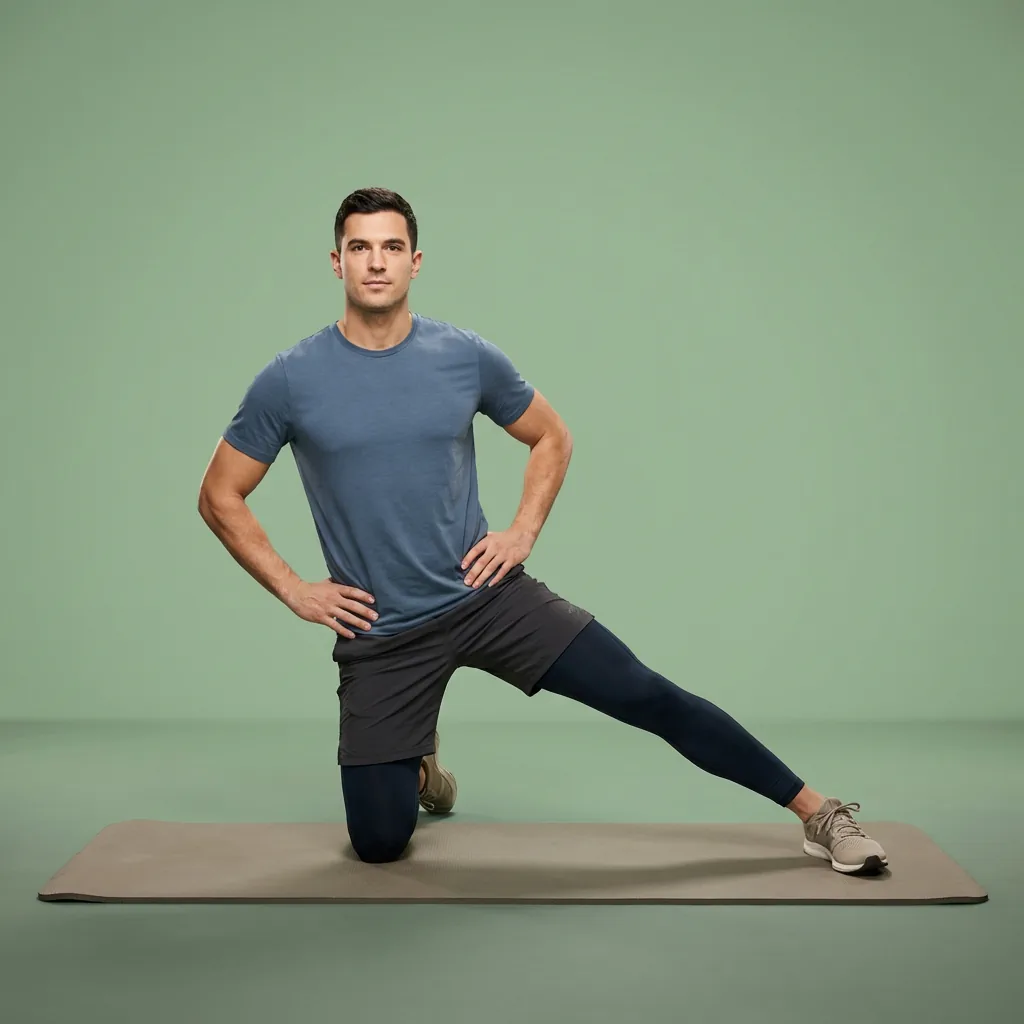 9 min Advanced
Warm-Up: Full-Body Shakeout
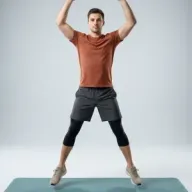
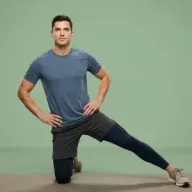
A 9-move rhythmic reboot — hip switches, adductor dips, and jumping jacks to raise core temperature and circulation.
-
-
-
-
-
- +4
-
-
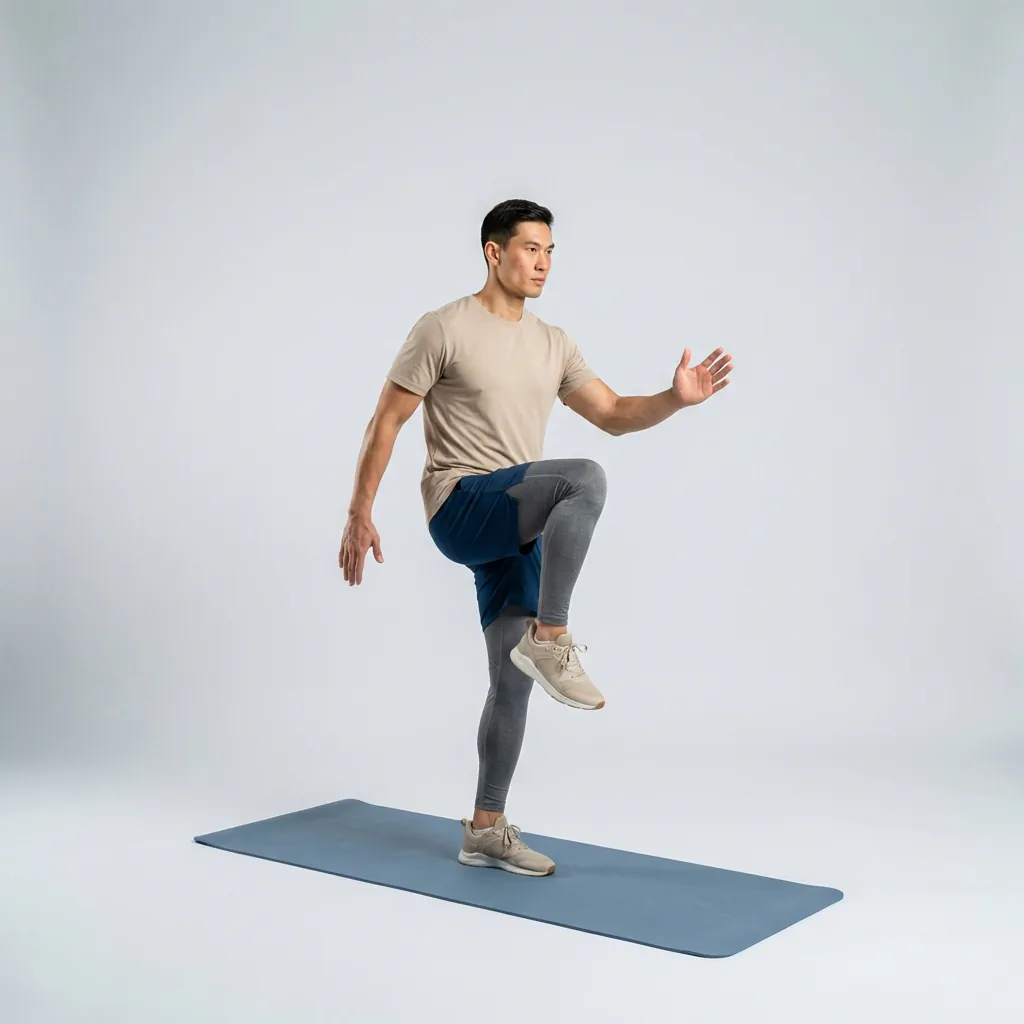 10 min Advanced
Warm-Up: Run-Ready Prep
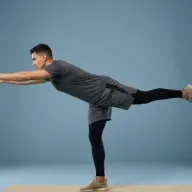
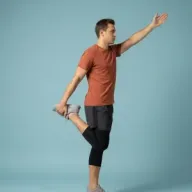
An 11-move run prep — high knees, warrior III, and dynamic quad stretch priming hips, hamstrings, and ankles for impact.
-
-
-
-
-
- +6
-
-
 12 min Advanced
Warm-Up: Strength Session Primer
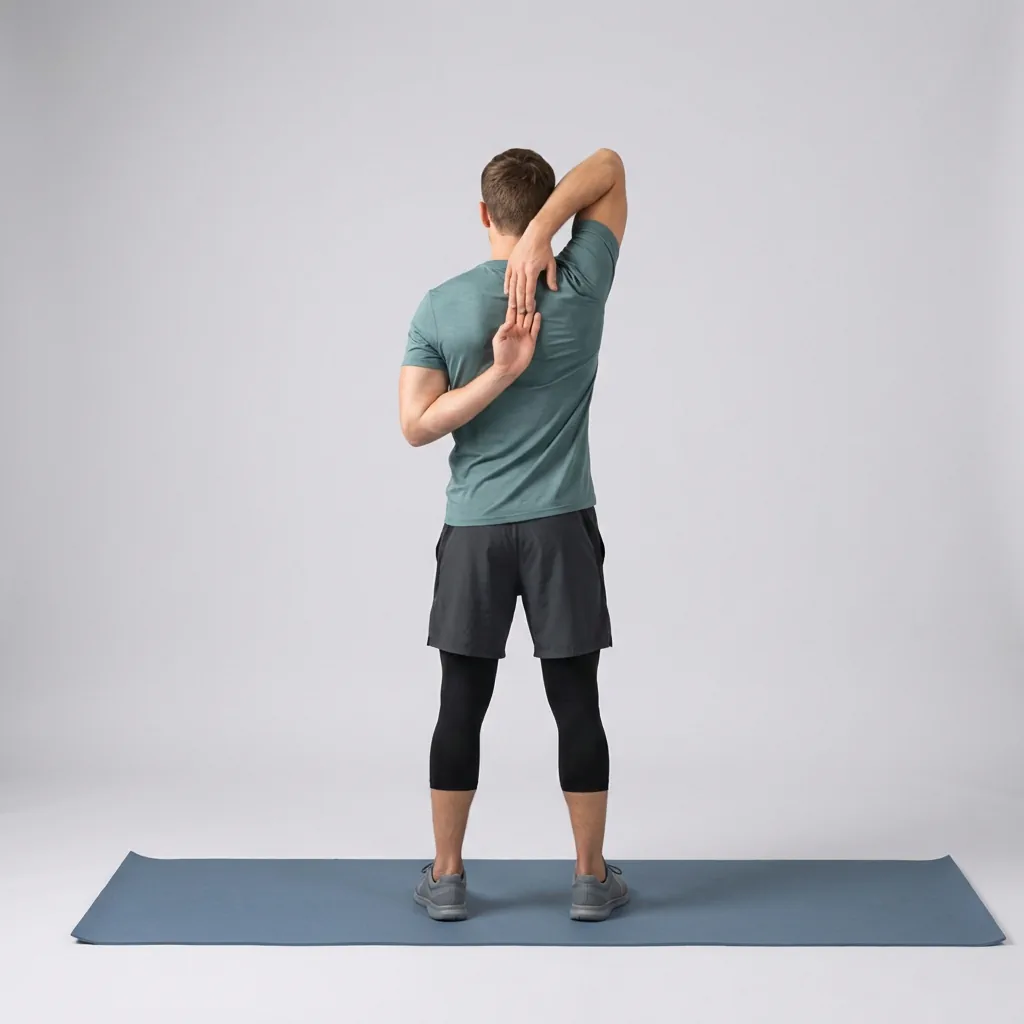
A 13-move full-body lift prep — squats, planks, hip openers, and mountain climbers waking the nervous system before heavy training.
-
-
-
-
-
- +8
-
-
 8 min Beginner
Warm-Up: Upper-Body Activation
An 8-move upper-body prep — neck circles, wall plank, and upward dog before pressing, pulling, or overhead work.
-
-
-

-
-
- +3
-
-
 22 min Intermediate
Weekend Reset Flow
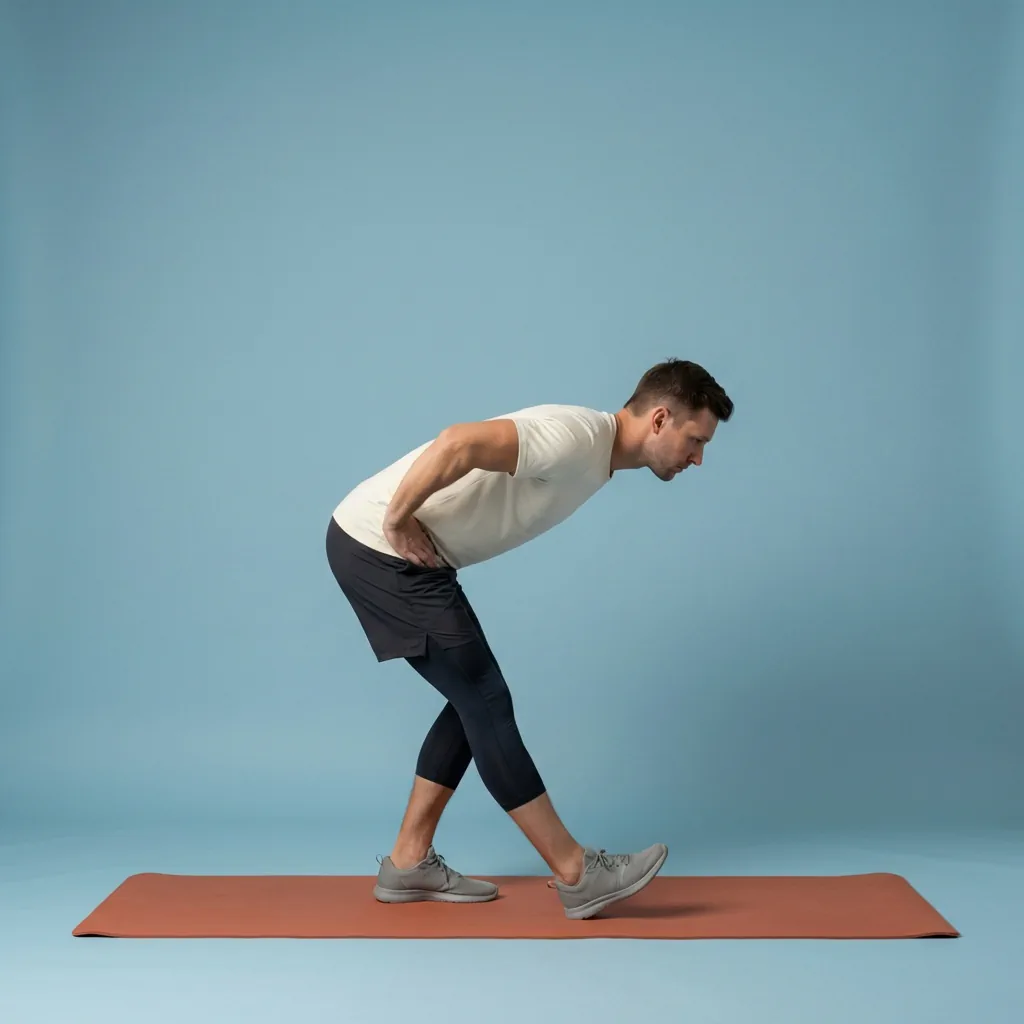
A 22-move weekend reset from upward salute and neck rotation through hip openers, dead bug, 90-90 switch, and child's pose.
-

-
-
-
-
- +17
-
Where to start
- You want a quick all-over reset
- Flow through the standing sequence above, moving with the breath.
- It is the start of the day
- Keep it dynamic — reaches, warriors and twists to wake the body up.
- You are winding down
- Favour slower holds and finish in a gentle fold to release.
Technique and comfort
Helpful cues
- Move with the breath so the flow feels smooth rather than rushed.
- Ground down through the feet in standing poses before you reach and open.
- Keep each position within a comfortable range as you move between them.
Ways to make it easier
- Shorten holds or skip balance poses on a low-energy day.
- Use a wall or chair for support during standing balance work.
Common mistakes
- Rushing through poses instead of moving with the breath.
- Forcing depth in one area rather than keeping the whole flow balanced.
Breathing
Let the breath set the pace — inhale to lengthen and reach, exhale to fold and settle.
Related body areas
- Hips
The hips anchor most standing poses in a full-body flow.
- Shoulders
Overhead reaches and openers keep the upper body moving too.
- Hamstrings
Folds and warriors lengthen the back of the legs within the flow.
- Lower Back
Gentle rotation and extension keep the spine part of the reset.
How Flexor personalises this
Flexor can shape a full-body flow around your day — energising in the morning, calming at night — and steer it toward areas you want to prioritise.
See daily recommendationsExplore related pages
Move comfortably
- Move with the breath and keep each pose within a comfortable range.
- Use support for balance poses and skip any that do not feel right today.
This is general fitness guidance, not medical treatment. Stop if a movement causes pain and seek professional advice for any persistent discomfort.
Read the full wellness disclaimerWritten by Flexor editorial Last reviewed July 2026
Common questions
What is a good full-body stretching routine?
A balanced flow covers the main directions: reaches and twists for the spine, warriors and folds for the legs and hips, and openers for the shoulders. Moving through them with the breath keeps the whole body generally mobile in one short session.
How often should I do full-body mobility?
Most people do well with a short full-body flow several times a week, or daily if it is gentle. It is a practical way to stay even and mobile when you do not have time to target individual areas.
Is a full-body flow better in the morning or evening?
Both work, with a small shift in emphasis. Mornings suit more dynamic reaches and warriors to wake the body up, while evenings suit slower holds and a gentle fold to wind down.
Can I do a full-body session as a warm-up?
Yes, if you keep it dynamic — flowing reaches, warriors and twists prepare the major joints for activity. Save longer static holds for after a workout, when everything is already warm.
Should I still train individual areas?
Full-body flows are great for general upkeep, but if one area is stiff or a priority, a focused session for the hips, back or shoulders goes deeper. Many people combine the two through the week.