How Often Should You Stretch? A Practical Guide for Beginners
How many days a week stretching realistically takes to help, and how to build a schedule you can keep.

If you only want the short version: most beginners do well stretching on most days of the week, in short sessions of five to fifteen minutes, rather than in one long weekly effort. Consistency matters more than intensity, and a little movement done often tends to feel better than an occasional stretch marathon.
That said, "how often" depends on what you are trying to change. This guide separates general daily movement from deliberate flexibility work, then offers a realistic weekly rhythm you can adapt.
The direct answer, by goal
There is no single correct number for everyone, but these ranges are a sensible starting point.
| Your goal | Rough frequency | Session length |
|---|---|---|
| Feel less stiff day to day | Most days (5-7 a week) | 5-10 minutes |
| Maintain current range | 2-3 days a week | 10-15 minutes |
| Build noticeable flexibility | 4-6 days a week | 10-20 minutes |
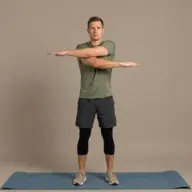
| Loosen up before activity | Before each session | 3-8 minutes of dynamic movement |
WHO recommends regular aerobic and muscle-strengthening activity across the week; it does not prescribe the stretching schedule in this table. The ranges above are practical starting points, not WHO targets. The practical takeaway is to build regular movement into your week and adjust stretching to your goal and comfort.
General movement is not the same as flexibility training
It helps to separate two different things:
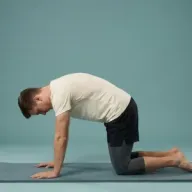
- General movement keeps joints comfortable through the day: standing up often, walking, rolling the shoulders, gentle cat-cow between tasks.
- Flexibility training is deliberate work at the edge of a comfortable range, held or repeated, with the intention of improving how far a joint moves over time.
Both are useful. If your day is mostly still, adding short bursts of movement often does more than a single formal session.
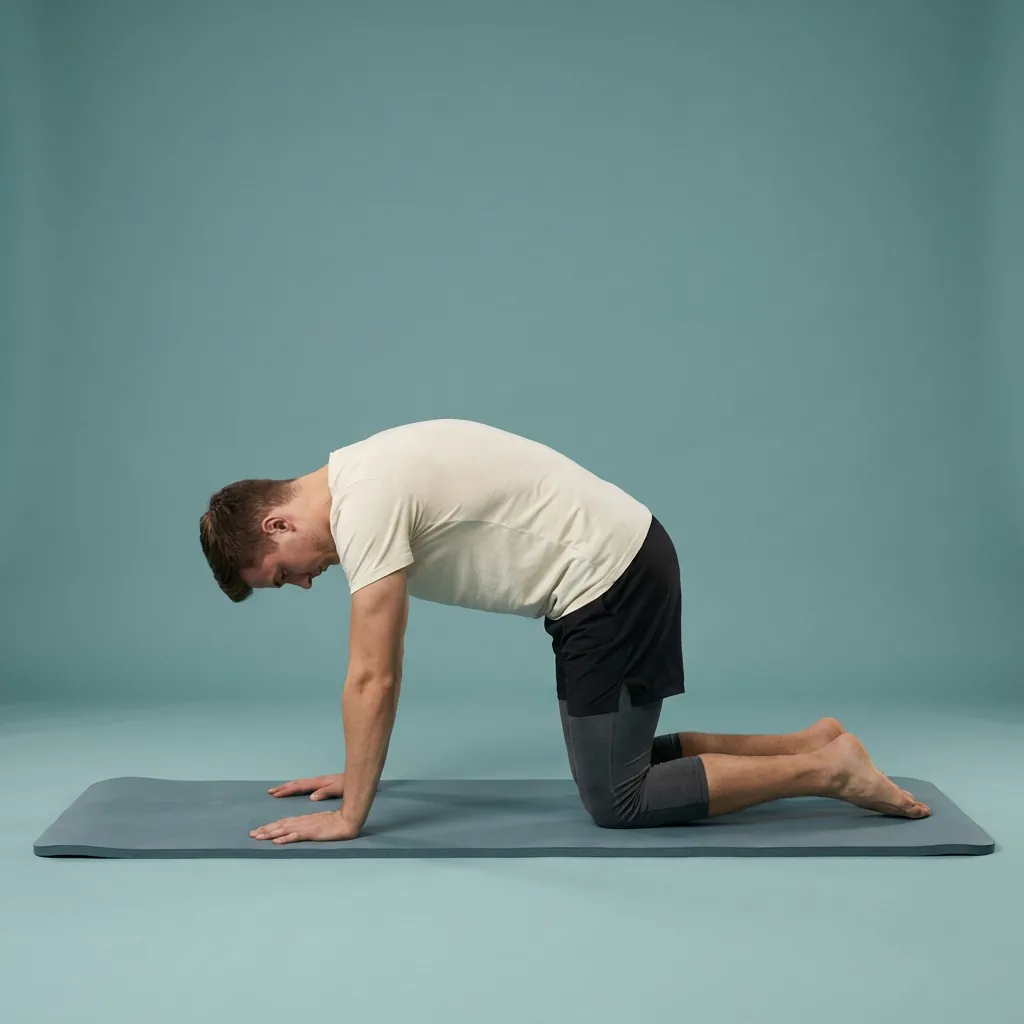
Short sessions versus longer sessions
Short and frequent usually wins for beginners, for three reasons: it is easier to start, easier to repeat, and less likely to leave you sore. A five-minute routine you actually do beats a thirty-minute routine you keep postponing. As the habit settles, you can lengthen sessions or add focused work for a specific area.
A realistic beginner week
This is an example, not a rulebook. Adjust it to your schedule.
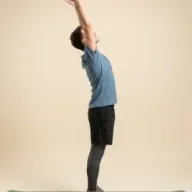
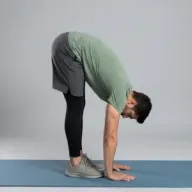
- Monday: a short morning reset such as Rise and Shine.
- Tuesday: 10 minutes of full-body mobility.
- Wednesday: a couple of two-minute movement breaks at your desk.
- Thursday: 10 minutes focused on a stiff area, such as hips or shoulders.
- Friday: a short mini mobility boost whenever you have a gap.
- Weekend: one calmer, longer session and one rest or light-walk day.
Rest, comfort and consistency
Stretching should feel like manageable tension, not pain. You do not need a rest day from gentle mobility the way you might from heavy lifting, but you should ease off if an area feels irritated, and you can always take a day when life is busy. Comfort is the signal to trust: if a position feels sharp, shorten the range.
Common early mistakes
- Chasing a big range too quickly instead of repeating a comfortable one.
- Doing one long session a week and expecting steady change.
- Only stretching when something already aches, then stopping once it eases.
- Holding your breath; slow breathing helps you relax into a position.
When to check with a professional
Gentle stretching suits most healthy adults. If you have a recent injury, a diagnosed joint condition, or pain that is getting worse rather than better, it is worth speaking to a GP or physiotherapist before starting a new routine.
How long before you notice a difference?
Two different things change on two different timescales. The immediate looseness you feel after a session tends to be short-lived, often fading within an hour or so. Lasting change in range - the kind that makes a position feel easier week after week - builds more slowly, typically over several weeks of regular practice. This is why frequency matters more than any single heroic session: you are nudging the body repeatedly rather than forcing it once.
Positions may become more familiar before your measured range changes. Improvements usually need regular practice over several weeks, but the pace varies with the person and the programme. Some days feel tighter than others; judge progress over time rather than expecting a fixed deadline.
Signs you have the balance about right
- Sessions feel manageable, not something you dread or keep postponing.
- You feel a mild stretch during, and no lingering soreness the next day.
- Everyday movements - reaching, bending, getting up from the floor - feel a little easier over time.
If a routine leaves you sore for days, reduce the intensity or range and allow recovery before repeating it. Persistent or worsening pain needs assessment. Gentle, comfortable movement is the goal.
Fitting stretching around a busy or disrupted week
Life rarely follows a tidy plan. When a week is chaotic, shrink the session rather than skipping it: even two or three minutes keeps the habit alive and stops you having to restart from scratch. During illness, listen to your body and favour very gentle movement or rest. The goal is a sustainable rhythm across months, not a perfect record every week.
Related routines to try
To turn this into practice, a short guided sequence removes the guesswork about order and timing. The catalogue marks Rise and Shine as beginner level. Full Body Flow is an intermediate option when familiar movements feel comfortable.
Sources
The takeaway
Aim for little and often. Pick a frequency that matches your goal, keep early sessions short, and let the habit grow before you chase range. The best schedule is the one you can repeat next week.
Put the guide into practice
Related Flexor routines
These guided routines are linked to the article topic. Review the difficulty and exercise list before starting.