Can Walking Help Me Lose Weight—and Does Stretching Make a Difference?
Walking can support weight management, while stretching mainly serves mobility. Set realistic expectations and build habits that matter beyond the scale.
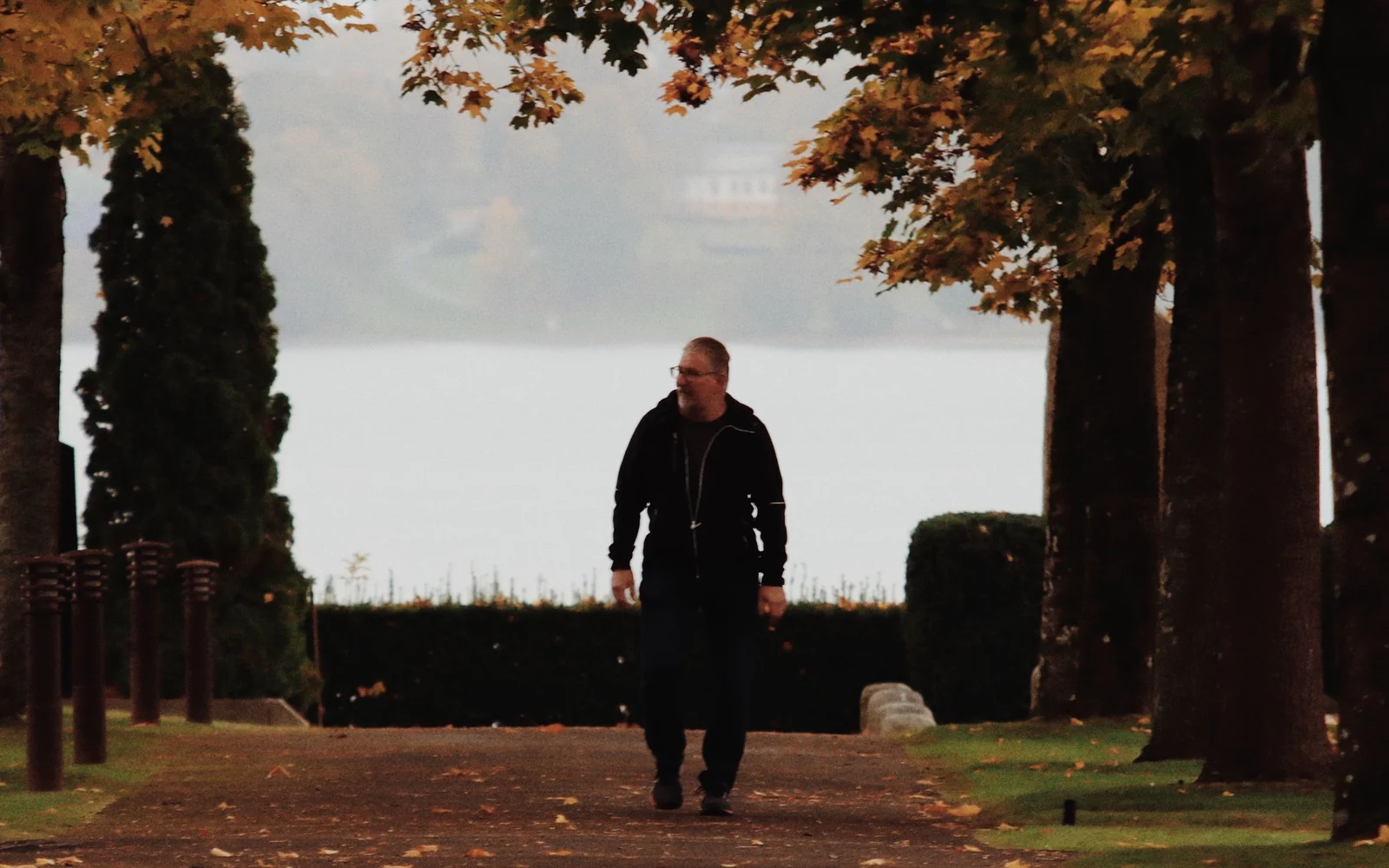
Walking can contribute to weight management by adding physical activity to your day. Whether your weight changes, and by how much, depends on a wider combination of food intake, sleep, medication, health conditions and individual circumstances. A walk is a useful action, but it cannot promise a particular change on the scale.
Stretching serves a different purpose. It can support flexibility and a regular movement habit, but it should not be presented as a substantial calorie-burning or weight-loss intervention. You can benefit from both activities without expecting them to do the same job.
Why the answer is more than “move more”
Body weight is influenced by many factors. The NIDDK guide to factors affecting weight and health includes food and activity patterns, sleep, medicines, health conditions, environment and genes. These influences do not operate identically for everyone.
Access matters as well. Safe places to walk, working hours, caring responsibilities, money and disability can shape which choices are practical. A plan that ignores those realities may be difficult to follow even when someone is committed. Weight change is not a reliable measure of effort or personal worth.
Energy balance is part of the explanation, but a generic calculation cannot predict an individual outcome. The evidence used here does not justify a calorie figure for a particular walk or stretch. Body size, pace, terrain, duration and other factors can vary, and a simple estimate should not become a promise.
What walking can contribute
Walking gives you a way to build activity into ordinary life. You could choose a familiar route, an indoor circuit or a short part of a journey. It can be social or quiet, and the amount can be adjusted to your starting point.
At a brisk enough effort, walking may count as moderate aerobic activity. The NHS adult guidelines describe moderate effort as being able to talk but not sing, and recommend at least 150 minutes of moderate activity or 75 minutes of vigorous activity across a week, with strengthening on at least two days. Those are general health targets, not a promise of weight loss or a universal weight-management prescription.
If you are beginning with a gentle pace, that can still be a practical starting point. Start at an amount you can tolerate rather than forcing a demanding pace to chase an estimated calorie total. Activity that leaves you injured, distressed or unable to recover is unlikely to support a sustainable pattern.
What walking and weight studies measured
A 2018 review of randomised walking trials in inactive, otherwise healthy adults, predominantly women, found favourable average changes in body weight and related body-composition measures compared with no walking intervention. It did not identify an optimal walking dose. This supports a contribution from regular walking, not a guaranteed result for an individual.
A 2024 review of supervised aerobic programmes in adults with overweight or obesity also found favourable weight and body-fat outcomes. Those programmes included walking and running, so the findings cannot be transferred wholesale to a short, unsupervised daily walk. Programmes and results varied, and longer-term evidence was limited. Neither review can tell you what a particular route will do to your weight.
What stretching should not be asked to do
A stretch can help you work on range of movement or provide a comfortable change from sitting. Those purposes do not make it equivalent to aerobic exercise. Sweating, feeling a strong stretch or spending a long time in a position does not establish a substantial energy expenditure.
Stretching also cannot selectively remove fat from the area being stretched. A hip stretch is not a method of reducing fat around the hips, and an abdominal stretch does not establish a way to target the waist. It is better to choose stretching for mobility goals than to judge it by a weight-loss promise it cannot reasonably meet.
Strengthening is another distinct activity. It belongs in general physical activity guidance and can support physical capacity, but it should also be chosen appropriately rather than treated as punishment for eating. A balanced movement pattern can contain activities with different purposes.
Choose goals that remain useful when weight is stable
The WHO describes physical activity benefits across physical and mental health. The value of becoming more active is therefore broader than whether the scale moves. You might notice that a familiar walk is easier, that you have established time away from a desk or that an activity is enjoyable enough to repeat.
Choose a few observations that fit your life: completing an accessible route, returning to a valued activity, feeling more confident with a movement or keeping a regular opportunity for activity. These are practical goals rather than guarantees of a particular result. They can make the plan meaningful during periods when weight does not change.
If weight monitoring increases anxiety, compulsive behaviour or shame, discuss that with an appropriate healthcare professional. A health plan should support your wellbeing. It should not require constant calculation or make rest feel like failure.
Try a goal you can notice without a scale
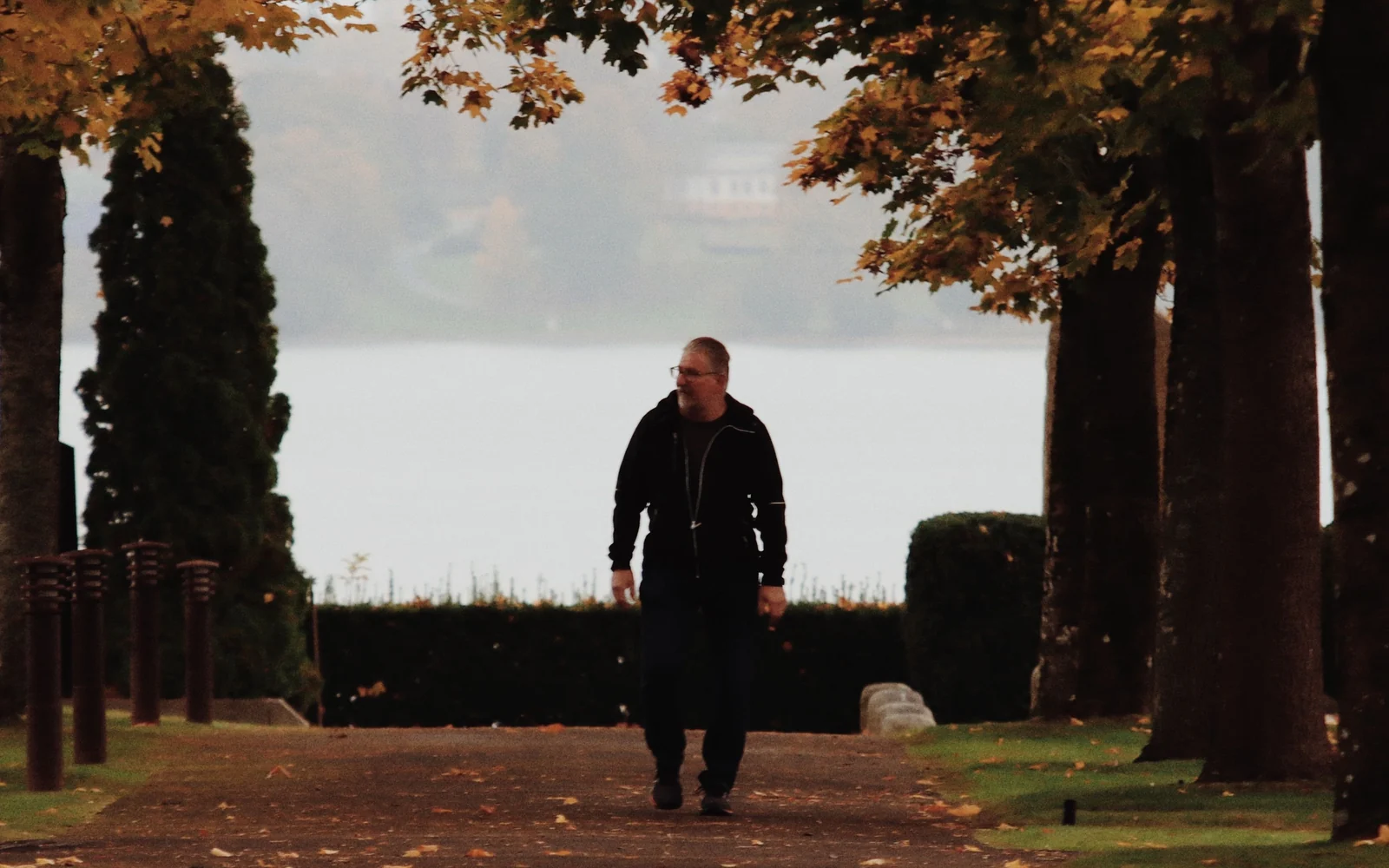
Suppose you would like to walk comfortably to a nearby shop or meet a friend on a familiar route. Choose a shorter part of that route that fits your present capacity, and use an existing cue such as finishing a daytime task. Your first aim is to complete that manageable outing comfortably, not to change your weight by a deadline.
If weather, time or access prevents the outing, a shorter indoor walk can preserve the movement opportunity. Rest is also a valid choice when needed; you do not owe a compensating walk later. Afterwards, notice comfort, enjoyment and whether the plan is realistic. At another suitable opportunity, repeat the amount that fitted you rather than increasing it automatically.
Review the wider pattern gently. Are you getting enough opportunity to sleep? Does medication seem to affect appetite or weight? Are meals irregular because of the workday? These are reasons for practical support or a clinical conversation, rather than instructions to exercise harder.
Do not stop medication because you suspect it affects weight. Ask the prescriber about options, benefits and side effects. If you want individual help with weight management, a clinician or dietitian can consider your circumstances and whether additional support is appropriate.
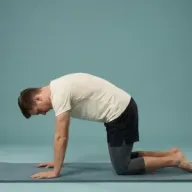
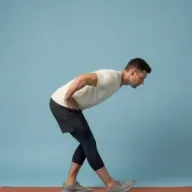
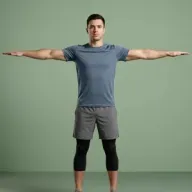
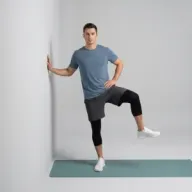
For a separate mobility goal, use Flexor's body-area and difficulty browsing to find positions that fit the way you want to move. Rise and Shine is one beginner morning option combining upper-body movement, hands-and-knees work, kneeling and squats. Preview those positions before saving the routine, and choose another suitable option if floor access or squatting is difficult. Its guidance can organise mobility practice at the start of the day; choosing it is not a calorie calculation or a weight-loss intervention.
When to seek individual advice
Unexplained weight changes, significant symptoms, a history of disordered eating or health conditions that affect activity deserve professional support. If walking brings concerning symptoms, stop and seek appropriate advice. A generic plan should not override restrictions or a treatment plan you already have.
If your main concern is a health marker or a diagnosed condition, ask what outcomes matter beyond weight. The answer may involve activity, food, sleep, treatment and support together, rather than setting a scale target first.
Follow-up questions
How much weight should I expect to lose from walking?
There is no reliable personal figure from the sources used here. Individual responses vary, and walking is only one part of the picture. Be cautious about plans that promise a fixed amount from a particular route or step total.
Is walking pointless if my weight stays the same?
No. Activity can support health and physical capacity beyond weight change. Look at the wider plan and goals that matter to you, and seek advice if you need help interpreting health measurements.
Should I walk longer after eating more?
Movement does not need to be compensation for food. A consistent, tolerable activity pattern is a more constructive aim than matching exercise to each meal. Seek support if food and movement are becoming a source of distress.
Can stretching make walking part of my routine?
You may enjoy combining them, but stretching is optional and does not guarantee a walk will be comfortable. Choose each activity for its purpose and adapt or seek advice if pain or access is a barrier.
If you would like movement guidance that keeps flexibility practice straightforward, download Flexor. Build a comfortable mobility habit alongside walking, with goals that remain useful beyond weight.
Sources
- NIDDK: Factors Affecting Weight & Health.
- Oja and colleagues: walking interventions and health outcomes — walking-specific average weight/body-composition findings.
- Jayedi and colleagues: aerobic exercise and weight in adults with overweight or obesity — supervised mixed aerobic programmes.
- WHO: Physical activity — health beyond weight.
- NHS: Adult physical activity guidelines — population activity targets.
Put the guide into practice
Related Flexor routines
These guided routines are linked to the article topic. Review the difficulty and exercise list before starting.