Can Walking Help Lower Cholesterol? What to Expect from Regular Activity
Walking can contribute to cholesterol management, but results vary. Understand lipid tests, wider habits, inherited risk and the role of prescribed treatment.

Walking can contribute to cholesterol management as part of regular physical activity. Research on walking programmes has found improvements in some lipid measures, but you should not expect a guaranteed reduction or assume that exercise alone will bring your results into a recommended range.
Food patterns, inherited factors, other health conditions and prescribed treatment all matter. A useful walking habit supports that wider plan. It is not a reason to delay a cholesterol test, stop medication or substitute stretching for aerobic activity.
Make sense of the numbers first
A cholesterol test usually reports several kinds of blood fat or related measures. LDL cholesterol is often called “bad” cholesterol because higher levels can contribute to fatty deposits in arteries. HDL cholesterol is often called “good” cholesterol because of its role in carrying cholesterol away. Those labels are shorthand, rather than a complete description of cardiovascular risk.
Triglycerides are another kind of fat in the blood. Total cholesterol combines information that needs interpretation alongside its components. A clinician may also consider blood pressure, smoking, diabetes, age and family history when discussing risk. One result or one favourable component does not tell the whole story.
The American Heart Association's guidance on preventing and treating high cholesterol places physical activity alongside food choices, stopping smoking and medication when needed. Improving an isolated HDL number is not the only goal, and a walking plan should fit the risk discussion you have with your clinician.
Walking research gives a mixed picture
An older meta-analysis of randomised walking trials in adults found pooled improvements in LDL cholesterol and the ratio of total cholesterol to HDL. Other lipid measures did not improve consistently. Its age and differing programmes limit how confidently it can guide a personal prediction.
Later walking-specific reviews do not all tell the same story. A 2018 review of walking trials in inactive, otherwise healthy adults, predominantly women, found no significant pooled change in four lipid measures. A 2022 review of walking interventions in women with overweight or obesity found favourable total and LDL cholesterol results. The latter review excluded interventions involving lipid medication, diet changes or other exercise, so its findings should not be treated as a result for every population or care plan.
Different participants and walking programmes help explain why a single promised reduction is inappropriate. These reviews do not establish an optimal walking dose or tell you what your next blood test will show. Trial averages describe groups, and becoming more active does not remove a need for treatment based on your overall risk. Current clinical guidance helps place the walking findings in that wider context.
How regular activity fits the plan
Walking is a form of aerobic activity when it raises breathing and effort sufficiently. The NHS adult activity guidelines recommend at least 150 minutes of moderate activity or 75 minutes of vigorous activity across a week, with strengthening for the major muscle groups on at least two days. At moderate effort, you can talk but not sing.
These are population targets, not a requirement to complete the whole amount before activity is worthwhile. A short comfortable walk may be a better starting point than immediately aiming for a brisk long session. Your health, mobility and current fitness affect what is appropriate. If you have been advised to restrict activity or develop symptoms with exertion, seek guidance before increasing effort.
A slow stroll can still be a useful way to begin, even when it does not meet the moderate-intensity description. Over time, some people choose to build duration, frequency or pace. Change what feels manageable rather than treating every walk as a test of whether you have done enough to change a blood result.
Give your next walk a route and a return point
For example, use finishing lunch as your cue to walk to a familiar nearby landmark and back. Choose a route you can shorten easily, suitable footwear and an effort appropriate to your current capacity. If weather or access prevents that route, walk a shorter clear indoor circuit instead. You do not need to make up the missing distance later.
Before returning, ask whether you could comfortably repeat the outing on another suitable day. If it was too demanding, choose a nearer turn-around point next time. If symptoms made it uncomfortable, seek the advice appropriate to those symptoms rather than increasing effort. The goal is a tolerable habit, not an assumed laboratory response.
You might notice that the route feels easier or that you enjoy the break. Cholesterol cannot be assessed from either feeling: changes need properly interpreted tests within your care plan. A disrupted week does not require a strenuous catch-up session.
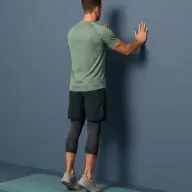
Keep mobility separate from the walking goal. If you want a focused lower-leg sequence on another suitable occasion, preview Flexor's Quick Ankles & Feet. Its beginner movements include a lying ankle exercise and standing foot rocks and raises, some with wall or chair support. Check that you can enter the positions safely, and use comfortable ranges. Core routine guidance can be used offline once it is on your device. This is an option for ankle and foot movement; it does not reproduce walking-trial lipid effects or replace aerobic activity or cholesterol treatment.

Food, genes and treatment remain important
The AHA guidance emphasises a heart-healthy eating pattern as well as physical activity. Food changes should be sustainable and appropriate to your circumstances, rather than based on a promise that one item will cancel out high cholesterol. A clinician or dietitian can help when you need individual advice.
Inherited conditions can lead to high cholesterol even in people who are active and eat carefully. Medication may still be needed, and needing it is not evidence of insufficient effort. If you have been prescribed treatment, continue it as directed and discuss questions or side effects with the prescriber.
Follow the testing and review plan you have been given. A follow-up blood test can help assess the combined plan, but the appropriate interval depends on the reason for testing and any treatment changes. This article does not prescribe a retesting schedule or a personal target.
Questions about expectations
How soon will walking change my cholesterol?
The evidence here does not support a universal timeline. Programmes and individual responses vary, and other parts of your plan may change at the same time. Follow your clinician's review schedule rather than judging results from how energetic a walk feels.
If I walk every day, can I stop a statin?
Do not stop prescribed treatment on that basis. Activity and medication can have complementary roles. Your prescriber can review your results, overall risk, preferences and any adverse effects with you.
Does only brisk walking count?
Brisk walking may count towards moderate aerobic activity when it meets the effort description. Gentler walking can still be a workable starting habit. Do not increase pace beyond your capacity simply to label the session moderate.
What if my test barely changes?
Discuss the result rather than assuming you failed. Cholesterol is influenced by several factors, and activity can support health beyond one laboratory measure. The next step may involve adjusting the wider treatment plan, not forcing more exercise.
To add guided flexibility alongside your walking plan, download Flexor. Use its routine structure for mobility while keeping cholesterol testing and treatment with your healthcare team.
Sources
- Kelley and colleagues: walking, lipids and lipoproteins — older meta-analysis of walking programmes.
- Oja and colleagues: walking trials in inactive healthy adults — mixed lipid findings.
- Ballard and colleagues: walking and lipids in women with overweight or obesity — selected population and intervention.
- American Heart Association: Prevention and Treatment of High Cholesterol — current clinical context.
- NHS: Adult physical activity guidelines — activity targets and intensity.
Put the guide into practice
Related Flexor routines
These guided routines are linked to the article topic. Review the difficulty and exercise list before starting.