Can I Improve My Health with Just 5–10 Minutes of Movement at a Time?
Short activity sessions count, but different activities do different jobs. Build a workable mix of walking, strength and mobility without an all-or-nothing plan.

Yes, short sessions can contribute to better health. Physical activity does not have to arrive in a single long workout to count. Five or ten minutes can be a manageable way to start, and repeated sessions can add up across a week.
What you do still matters. A gentle mobility break, a brisk walk and a set of strengthening exercises are not interchangeable. Each can have a useful role, but five minutes of stretching should not be presented as a replacement for all recommended aerobic and strength activity.
Why “too short to matter” is an unhelpful rule
The WHO physical activity guidance emphasises that some activity is better than none and that all activity counts. The NHS adult guidance also recognises activity spread across shorter sessions. You do not need to wait for a free hour before beginning.
That matters when the main obstacle is time or confidence. A small session can fit around a school run, an accessible break at work or a quiet moment at home. Its value is not that it secretly provides every benefit of a full programme. It gives you a realistic opening to do some activity and repeat it.
Short sessions may also help you discover what is comfortable. A smaller commitment can be easier to adjust when you are learning a movement, returning after a disruption or deciding which activity you enjoy. The aim is a habit that fits, not a perfect uninterrupted streak.
Know which kind of activity you are doing
Light movement includes easy walking and many comfortable changes of position. It can interrupt sitting and add movement without a large increase in effort. A light break is useful even when it does not count as moderate aerobic activity.
Moderate aerobic activity raises breathing and effort. The NHS describes it as an intensity at which you can talk but not sing. A brisk walk may qualify, depending on the person. The same pace can be light for one person and demanding for another, so the label belongs to the effort rather than a universal speed.
Strengthening challenges muscles against resistance. Its purpose is different from simply moving through a comfortable range. Exercises need to be appropriate to your capacity, and technique or professional guidance may matter when you are unsure how to begin.
Flexibility and mobility practice works on range of movement and using that range comfortably. It can complement walking and strengthening. A stretch that feels useful does not automatically raise aerobic effort or provide enough resistance for a strength session. Our guide to stretching and strength training explores that distinction.
How short sessions add up
For adults aged 19 to 64, the NHS population guideline is at least 150 minutes of moderate activity or 75 minutes of vigorous activity each week, alongside strengthening for the major muscle groups on at least two days. These are weekly targets, not an entry test for taking a walk. Individual conditions may require adaptations.
As a simple arithmetic example, three ten-minute moderate walks on five days total 150 minutes. One ten-minute moderate walk on five days totals 50 minutes. Both are meaningful amounts of activity, but they are not the same weekly total. If those walks are gentle rather than moderate, they should not be counted as moderate minutes.
The example is an illustration, not a prescribed schedule. Someone starting from little activity may find even one short session demanding. Begin at a suitable level, and change the amount according to comfort and health rather than trying to make the arithmetic work at any cost.
Sitting breaks solve one part of the puzzle
A break changes a long period of stillness. You might stand, walk around the room or make a comfortable movement before returning to a task. It can be built into an ordinary day without exercise clothes or travel.
Those breaks do not automatically provide the whole aerobic or strengthening component of a week. It helps to hold both ideas at once: break up prolonged sitting where you can, and look separately for appropriate aerobic and strength activity. There is no need to discredit a light break simply because it has a narrower job.
For someone who stretches regularly, our stretching-frequency guide addresses flexibility scheduling. A stretching schedule and a complete activity plan answer different questions, so avoid using one as a substitute for the other.

What a mixed day could look like
You can combine short opportunities without treating every session as the same kind of exercise. This example illustrates the roles; use only activities that are appropriate to your capacity.
| Opportunity | Example | What it contributes |
|---|---|---|
| After lunch | A ten-minute walk at an effort where you can talk but not sing, if suitable. | Ten minutes of moderate aerobic activity. |
| A separate planned slot | Part of a suitable beginner strengthening programme, using resistance and technique you can control. | Strength work. The session needs to fit a plan that covers the major muscle groups across the week. |
| After a block of desk work | A few comfortable mobility movements. | A change from sitting and mobility practice; not automatically moderate aerobic activity. |
If the walk has to be gentler, it remains movement but should not be logged as moderate minutes. If the strength slot does not fit today, choose another suitable time rather than labelling extra stretches as strength work. If the whole day is disrupted, keep the smallest comfortable opportunity and return to the wider plan later.
At the end of the week, check which types of activity were present and which were missing. That is more informative than adding every timer together as though the sessions were interchangeable. No single example day fulfils the whole weekly guideline.
Older adults benefit from attention to balance as well. The NHS older-adult guidance includes strength, balance and flexibility alongside aerobic activity. People with falls risk, frailty or a health condition may need individual advice on combining these safely.
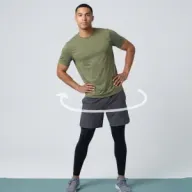
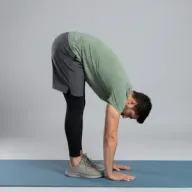
For the light mobility slot, save a suitable Flexor routine and set one optional reminder at a work transition if forgetting is the main obstacle. Mini Mobility Boost provides a timed beginner sequence with audio guidance, performed standing with balance, reaching and bending. Choose comfortable ranges or another suitable option. A reminder is a cue to consider the break, not an obligation to complete it; its timer does not make the session moderate aerobic activity.
When a smaller plan still needs advice
Short does not automatically mean suitable for everyone. New symptoms with activity, recent injury, significant balance difficulty or a condition that limits exertion may require professional guidance. Stop and seek help for concerning symptoms rather than trying to finish a timer.
If activity repeatedly causes unusual or delayed symptom worsening, do not make fixed increases. Ask for advice about what is appropriate to your circumstances. The permission to start small also includes permission to adapt, rest or stop.
Follow-up questions
Can five minutes be enough for today?
It can be a reasonable starting session or the amount that fits a particular day. That does not make it a replacement for all weekly guidance. Think about the wider pattern without dismissing today's manageable effort.
Do household tasks count?
They contribute to movement, and some tasks may reach moderate effort. Others remain light. Use the actual demand rather than assuming every chore has the same intensity as brisk walking.
Should I make every break vigorous?
No. Easy movement may be the most practical choice during work, and vigorous activity may be unsuitable for some people. A varied plan can include light breaks without requiring them all to become workouts.
What should I build first: duration or frequency?
There is no universal order. Choose the change you can repeat comfortably. If you need individual guidance, a qualified professional can help match the type and amount to your starting point.
Ready to give the mobility part of your week a simple structure? Download Flexor and choose a suitable guided routine for one of your small movement opportunities.
Sources
- WHO: Physical activity — any activity and sedentary time.
- NHS: Adult physical activity guidelines — targets, intensity and short sessions.
- NHS: Older-adult physical activity guidelines — complementary balance and strength work.
Put the guide into practice
Related Flexor routines
These guided routines are linked to the article topic. Review the difficulty and exercise list before starting.