
Flexor for busy people
Short on time? Stretch in the minutes you actually have.
A packed schedule is the most common reason a stretching habit slips. Flexor is built for small windows: pick the minutes you can spare, and it points you to a short guided routine that fits, rather than an hour-long session you will never start. Recommendations use your goals, focus areas, available time and recent sessions, so even a few minutes stay useful.
Time-first
Choose the minutes you have and get a routine that fits them.
Small windows count
Short sessions between tasks add up to a real habit.
No setup drag
Guided steps, timing and cues so you start moving immediately.
Fits your day
Recommendations shaped by your goals, focus areas and recent sessions.
Why a busy-schedule approach helps
When time is tight, the barrier is rarely motivation—it is friction. Deciding what to do, finding space, and committing a big block all make it easier to skip. Flexor lowers that friction by letting you start from time: tell it you have five, ten, or fifteen minutes and it suggests a short guided routine you can actually finish.
This is general fitness and wellness movement, not medical advice. If you have a health condition or specific concern, follow professional guidance; for an ordinary busy day, a short gentle routine is exactly what these sessions are for.
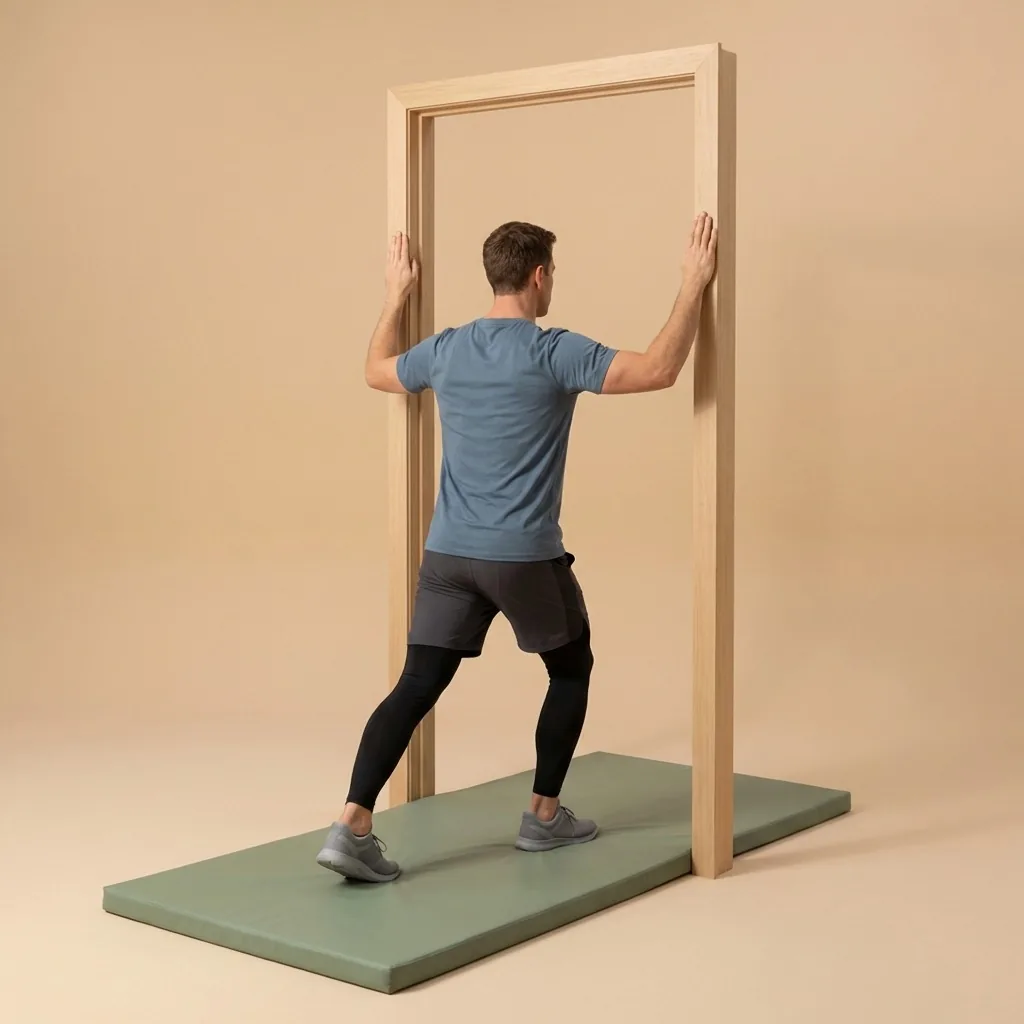
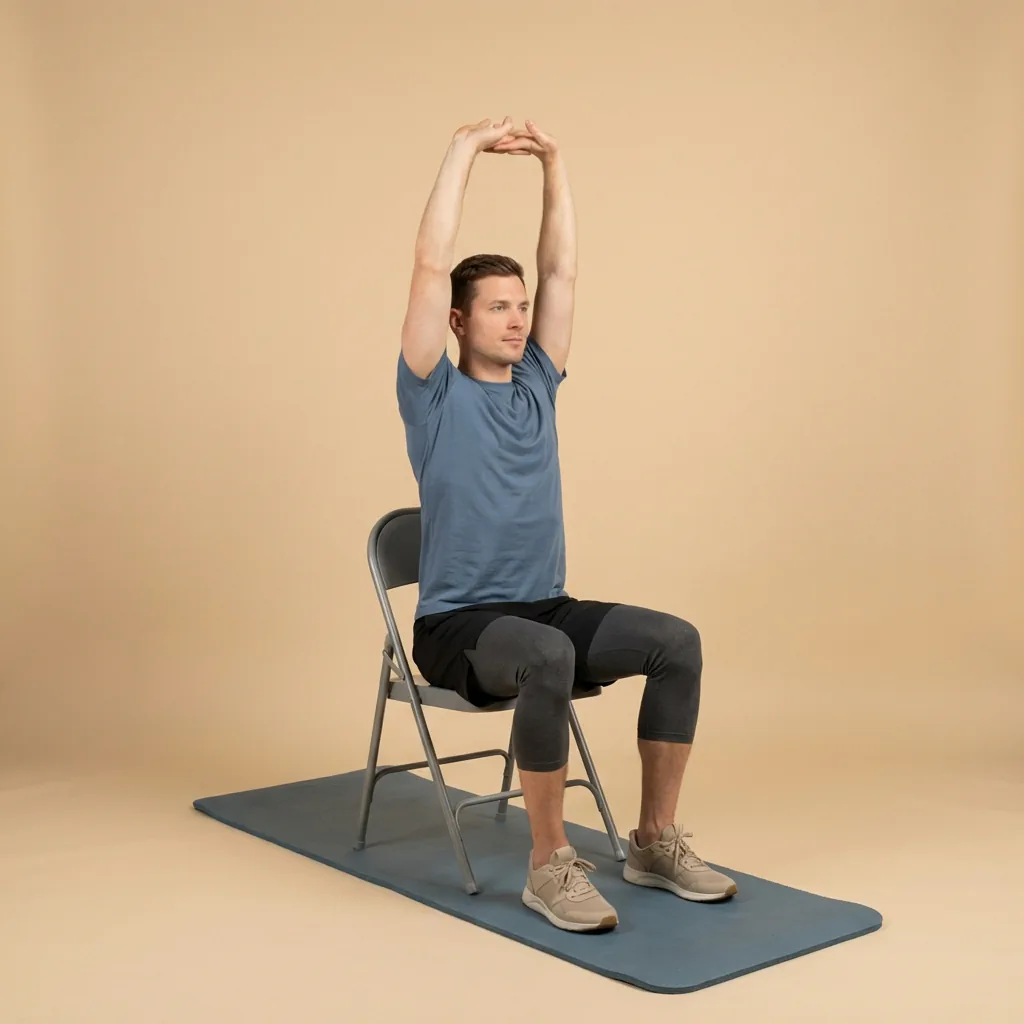
Fitting stretching into a packed day
The trick is to match the session to the gap, not to hold out for the perfect long block that rarely comes.
- Between meetings: a quick desk reset for the neck, shoulders and back.
- Mid-morning or afternoon: a short mobility boost to break up sitting.
- Before a workout you squeezed in: a fast warm-up for the areas you need.
- End of a long day: a brief lower-body or full-body unwind.
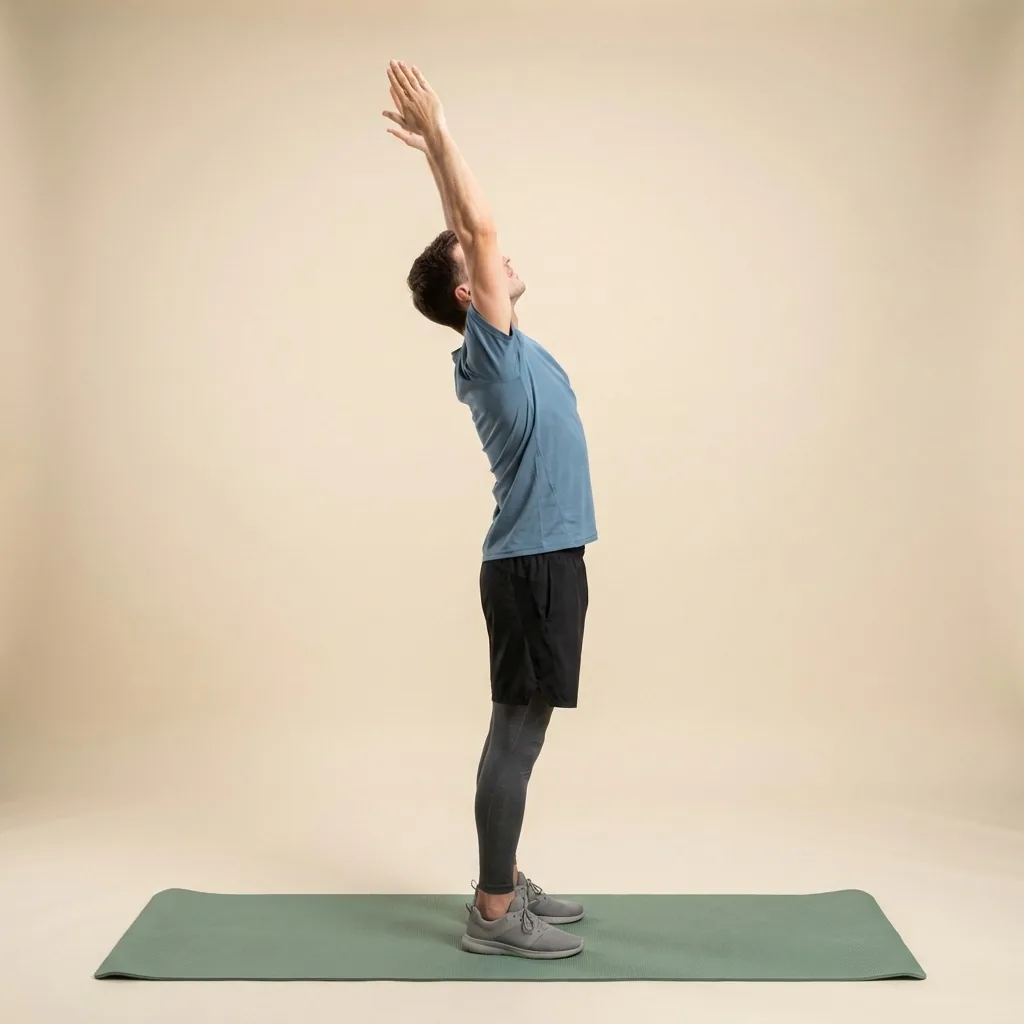
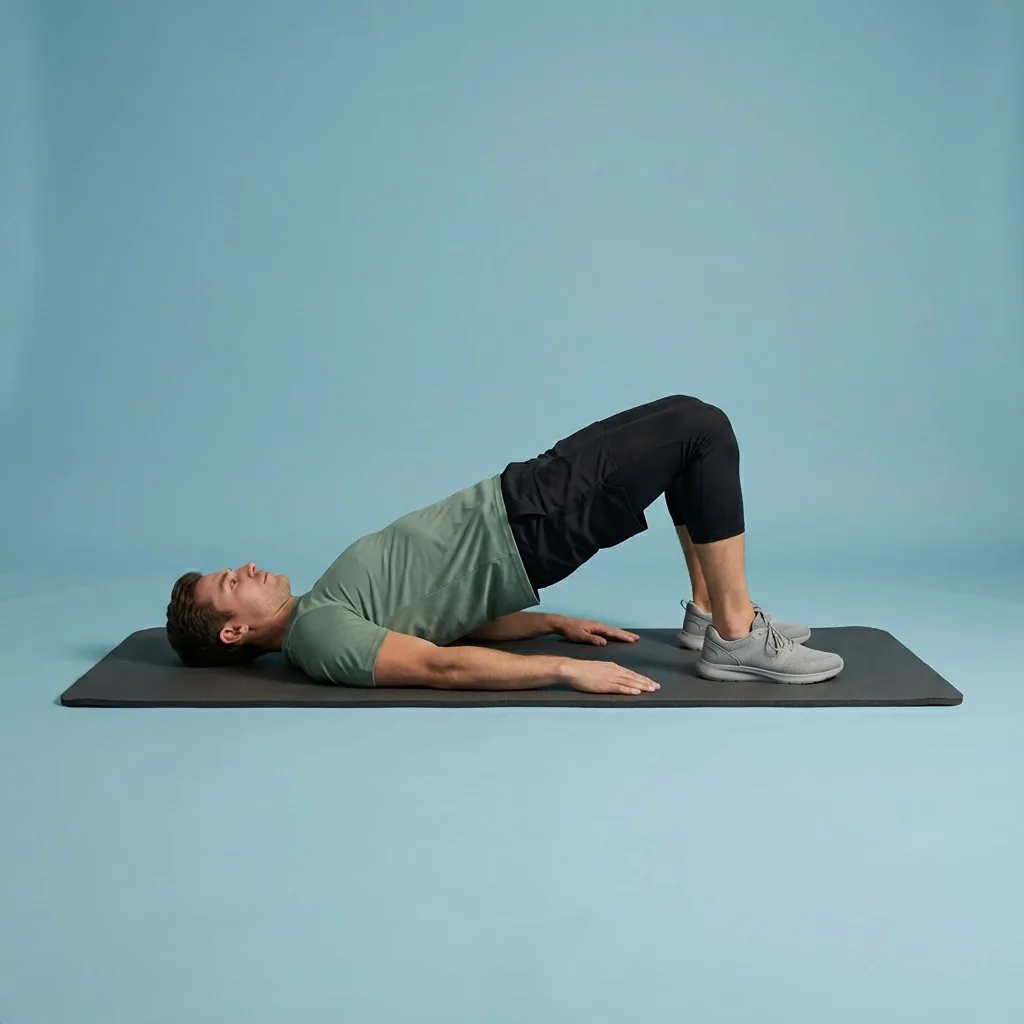
In Flexor: Gentle morning movement to wake up with control.
How Flexor keeps it quick
Filter by a short duration and the areas that feel stuck, then follow the ordered steps with clear cues—no planning required. Core routines, the library, and the guided player work offline, so a patchy connection is no excuse to skip. Reminders can nudge a short break at the times a busy day tends to swallow.
Recommendations use only what you tell the app—your goals, focus areas, available time, and recent sessions. Flexor does not scan your body or assess your movement, so you choose a range and pace that feel comfortable in the time you have.
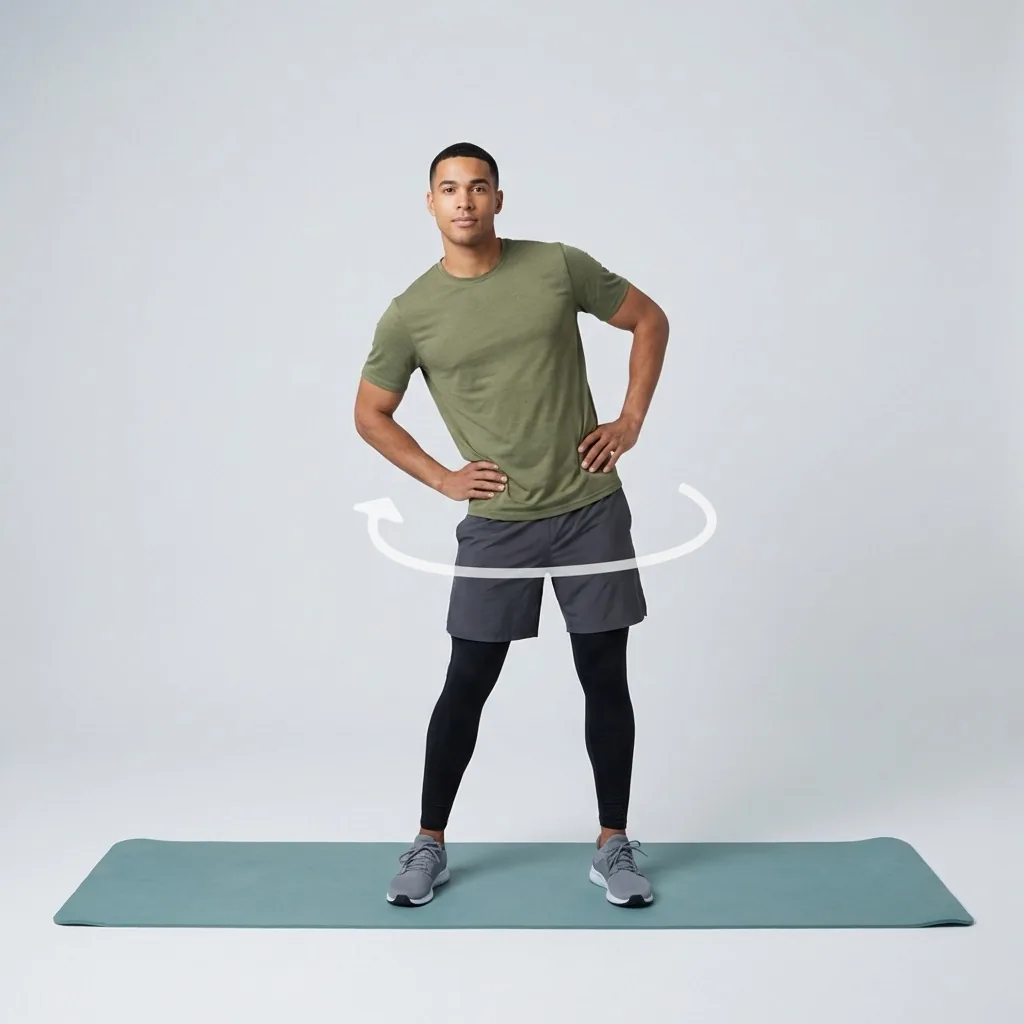
Where to go deeper when time allows
On the rare day with more room, the goal pages for daily stretching and improving mobility, and the body-area guides, go further than a quick session. This audience page ties the product together for people whose main constraint is time, and points to longer options for when a bigger window opens up.

Ten minutes is a session.
Filter by the time you actually have, then start something that fits inside it.
How to choose the right routine today
Start with context rather than choosing the longest session. For busy people, the useful question is whether today calls for preparation, focused mobility, recovery, or a short consistency session.
Match the routine to the time available, the areas that feel most relevant, and what you did recently. Keep the range comfortable and avoid using a general stretching app to work through sharp, persistent, or worsening pain.
A simple weekly pattern
Use short routines on busy days, a more focused session when time allows, and recovery-led movement after demanding activity. The goal is a repeatable pattern rather than doing every body area every day.
Daily recommendations can vary the focus using your stated goals, available time, experience, focus areas and recent sessions. They do not assess movement quality or replace professional advice.
Common mistakes to avoid
Avoid forcing range, repeating the same area every day, treating discomfort as proof that a stretch is working, or choosing a routine only because it is popular. A suitable session should fit the day and leave you able to continue normal activity comfortably.
Progress comes from sensible repetition and appropriate exercise selection, not from chasing the deepest position. Stop when symptoms are sharp, unusual, worsening, or associated with numbness, weakness, swelling, trauma, or illness.
Sources and further reading
These independent sources support the general guidance on this page. They do not endorse Flexor.
Quick facts
- Best for
- People whose main barrier is time
- Session length
- Five, ten or fifteen minutes
- Approach
- Start from the minutes you have
- Personalises from
- Goals, focus areas, time and recent sessions
Where to start
You have five minutes between tasks
Filter by time and run a quick reset.
You keep forgetting to move
Set a reminder anchored to something you already do.
You want a consistent habit, not just quick fixes
See the daily-stretching goal page.
A pick that fits the gap
You have a few minutes between tasks and no time to plan. You tell Flexor the minutes you can spare and the areas that feel stuck, and it suggests a short routine you can actually finish, drawing on your goals and recent sessions. It never scans your body or assesses your movement.
See how daily recommendations workSafety and limits
- General fitness and wellness movement, not medical advice.
- Keep short sessions gentle and within a comfortable range.
- Seek professional guidance for a specific health concern.
Flexor does not assess your movement or health and is not a substitute for advice from a qualified professional.
Read the full wellness disclaimerRelated routines
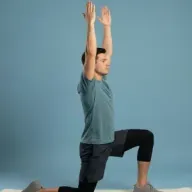
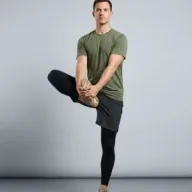
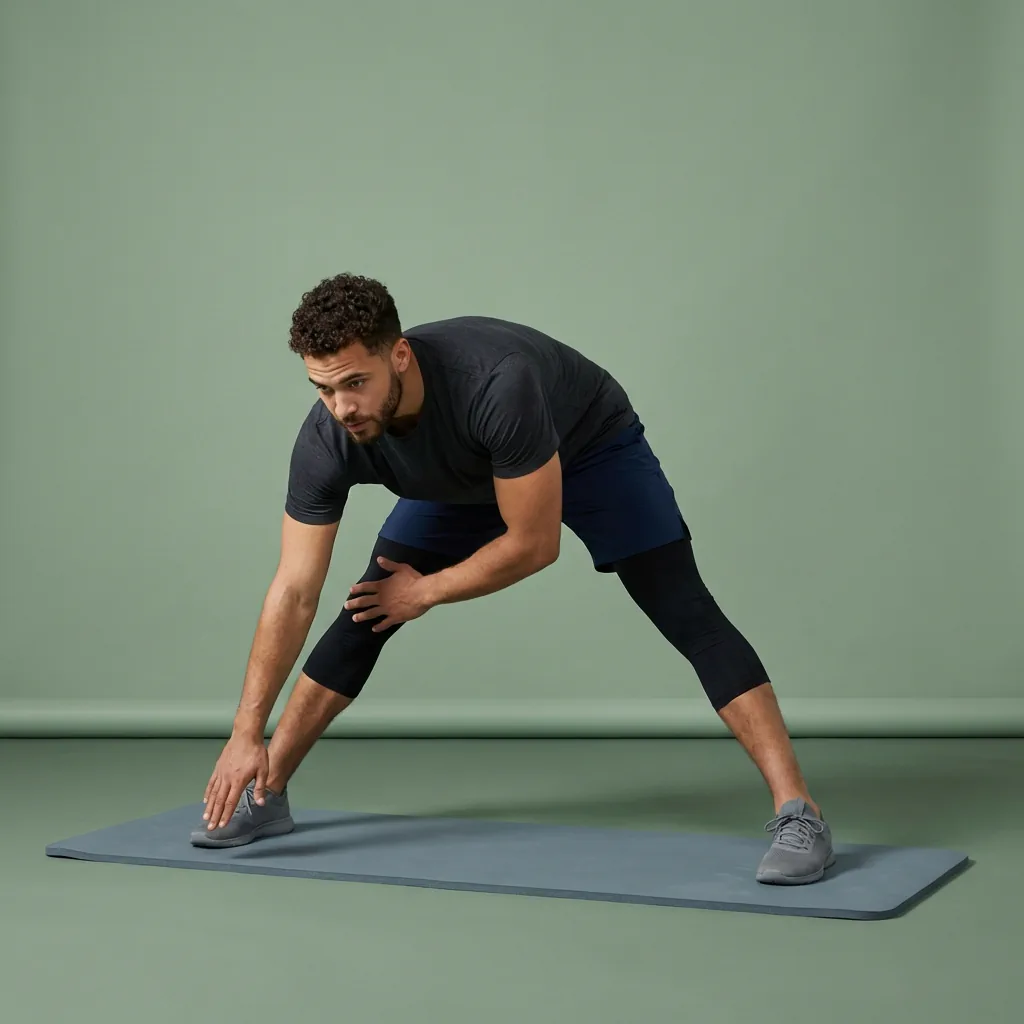
Browse guided Flexor sessions that match this page, then open any routine for steps and cues.
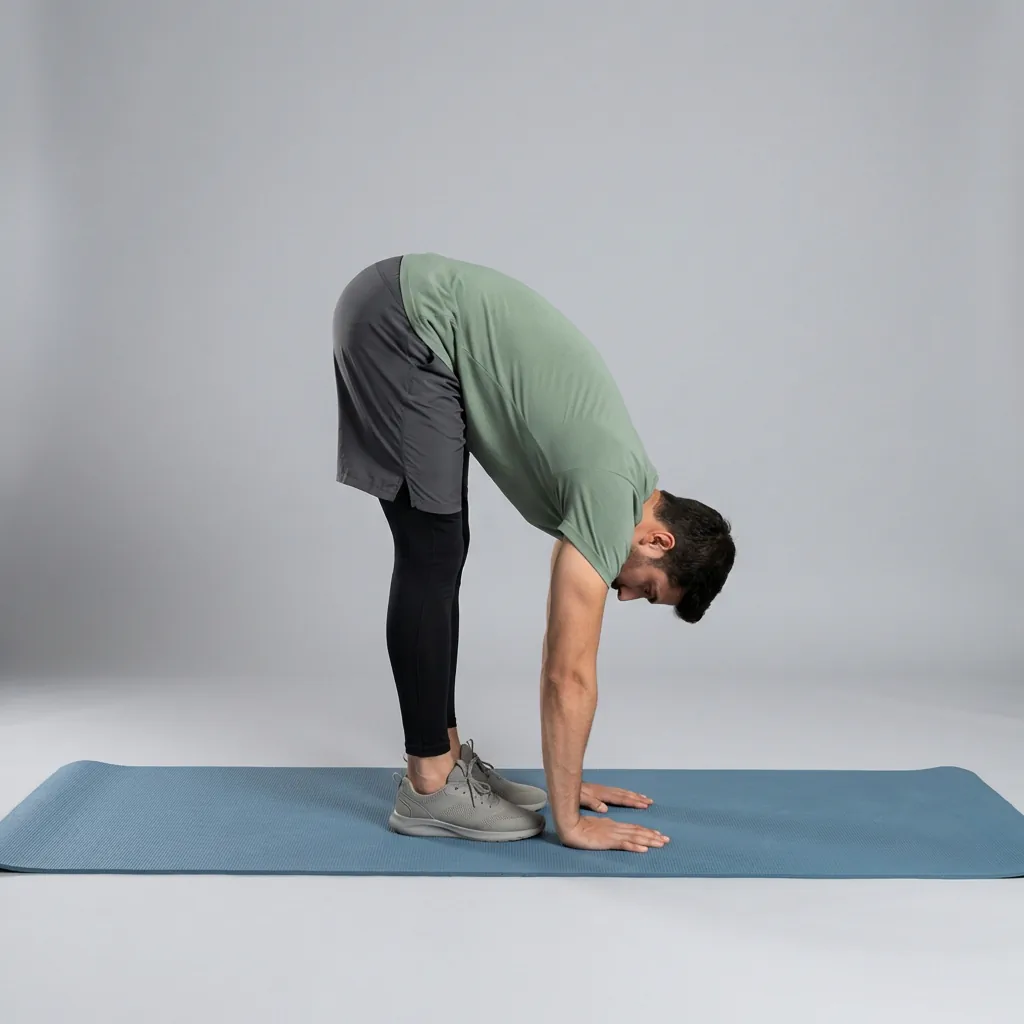









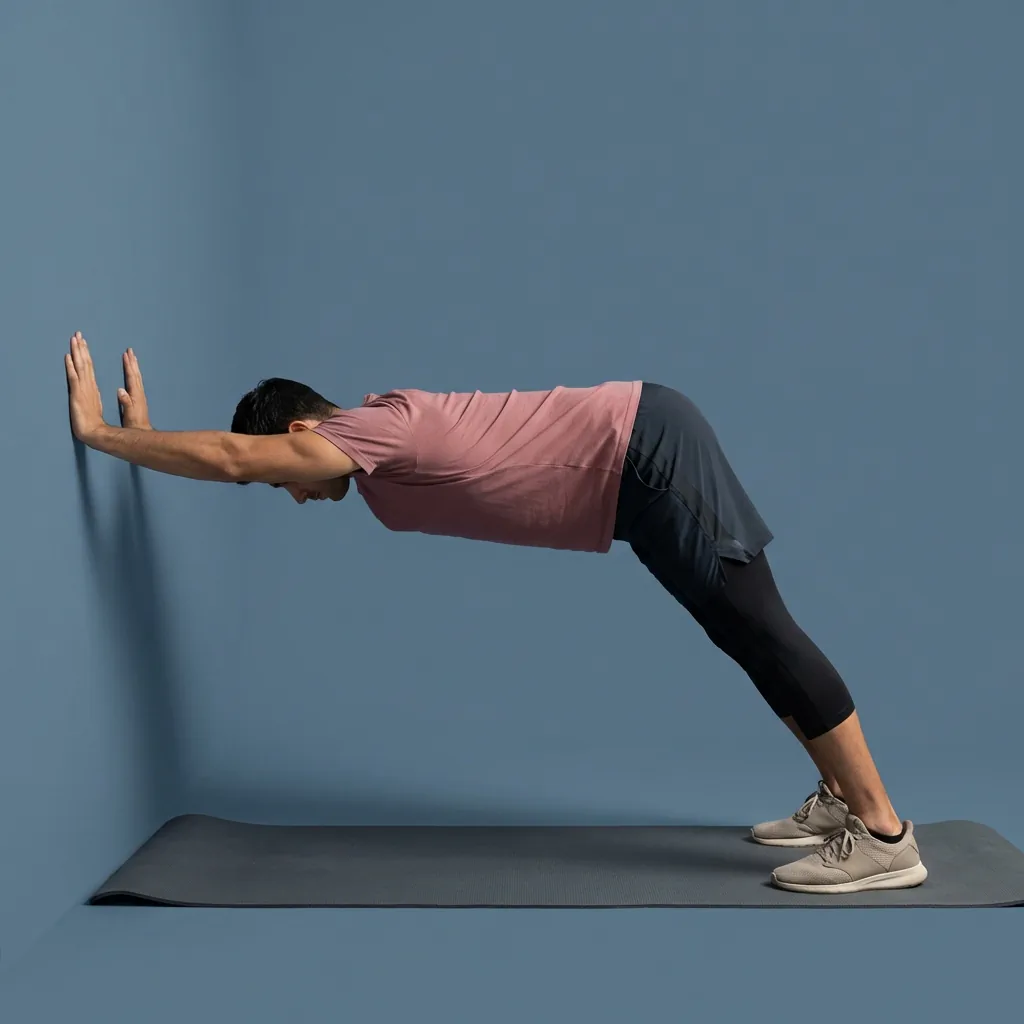
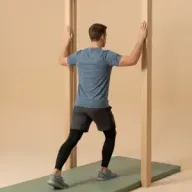


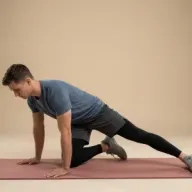


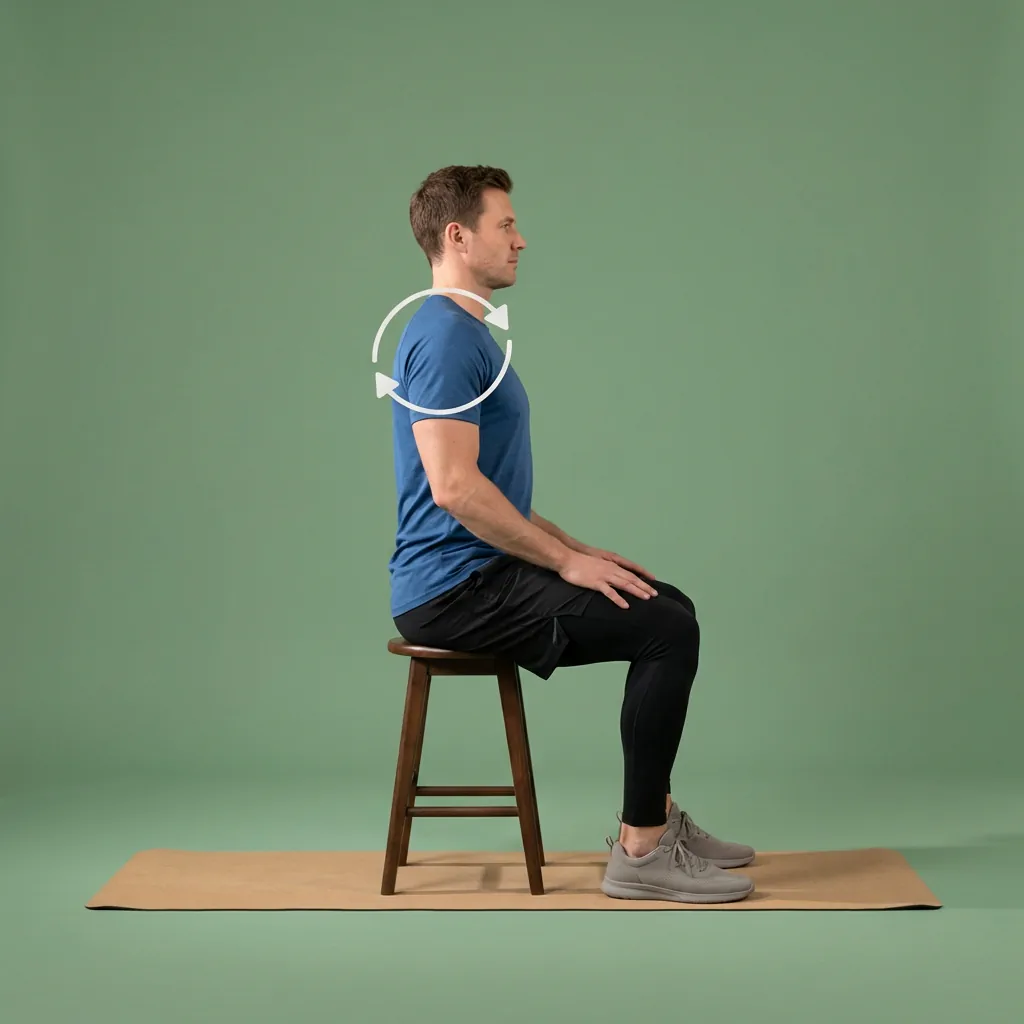



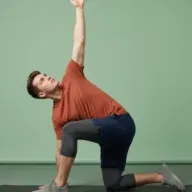
Explore related body areas
Go deeper on a single area with its own exercises, routines, and guidance.
Common questions
Direct answers about flexor for busy people.
Can short stretching sessions actually help?
Yes. Consistency usually matters more than the length of any single session, so a few minutes done regularly can be more useful than a long session you rarely fit in. Flexor is designed for this: choose the time you have and follow a short guided routine for the areas that feel stuck. Keep movements gentle and within a comfortable range, and treat these as general wellness movement rather than a replacement for professional advice if you have a specific health concern.
How does Flexor pick a routine for the time I have?
You tell Flexor how many minutes you can spare and which areas you want to work on, and it recommends a short guided routine that fits, drawing on your goals, experience, and recent sessions. It personalises only from the information you give it—it does not scan your body or assess your movement. That keeps recommendations relevant for a busy day, so you can open the app, start a session that suits the gap, and finish it without a long planning step.
Can I stretch without internet during a busy day?
Yes. Flexor's ready-made routines, exercise guidance, plans, the library, and the guided player work offline once content is on your device, so a commute, a basement meeting room, or a patchy connection will not stop a quick session. Only Flexor AI requests and app-store subscription actions need a connection. That makes it easy to grab a few minutes wherever you are and reconnect later for AI discovery or account tasks when it suits you.
How is this different from the daily stretching page?
This audience page focuses on people whose main constraint is time, covering how Flexor fits short sessions into a packed day with time-based selection, reminders, and offline access. The daily stretching goal page focuses on building a consistent daily habit for anyone pursuing it, regardless of how busy they are. Start here if a lack of time is your biggest barrier, and read the daily stretching page for the broader goal of making stretching a regular part of your routine.
How often should busy people use Flexor?
Use a frequency that is realistic and comfortable. Short sessions several times a week may be easier to sustain than occasional long sessions. Match preparation, mobility and recovery work to your schedule, vary the focus, and reduce or stop if a movement aggravates symptoms.
How do I choose between a short and long routine?
Choose by purpose and available time. A short routine can prepare you for activity, break up sitting, or preserve consistency. A longer routine is more suitable when you have time for several areas and can move without rushing. Longer is not automatically better.
What should I do if a recommended routine does not feel right?
Skip it, reduce the range, or choose another focus. Flexor recommendations use the information you provide and cannot see your movement or symptoms. Stop for sharp, persistent, worsening, or unusual pain and seek appropriate professional advice when needed.
More in Flexor for you
See allKeep exploring
More guides on stretching, mobility, routines, and Flexor features.
Flexor for you
Stretching and mobility, matched to how you live.
Find guided Flexor stretching and mobility routines shaped for desk workers, seniors, athletes, gym-goers, travellers an...
Read more Daily stretching
Stretch a little every day, without it becoming a chore.
Make stretching easier to maintain with short guided sessions, reminders, progress tracking and personalised recommendat...
Read more Desk stretching
Break up the workday with short, guided desk stretches.
Use quick guided stretches and mobility breaks for the neck, shoulders, back, hips and wrists during long periods of des...
Read more Mobility for fitness and everyday movement
Build controlled, usable movement—one short guided session at a time.
Improve mobility with guided routines, progress tracking and personalised daily recommendations designed around how you...
Read more