
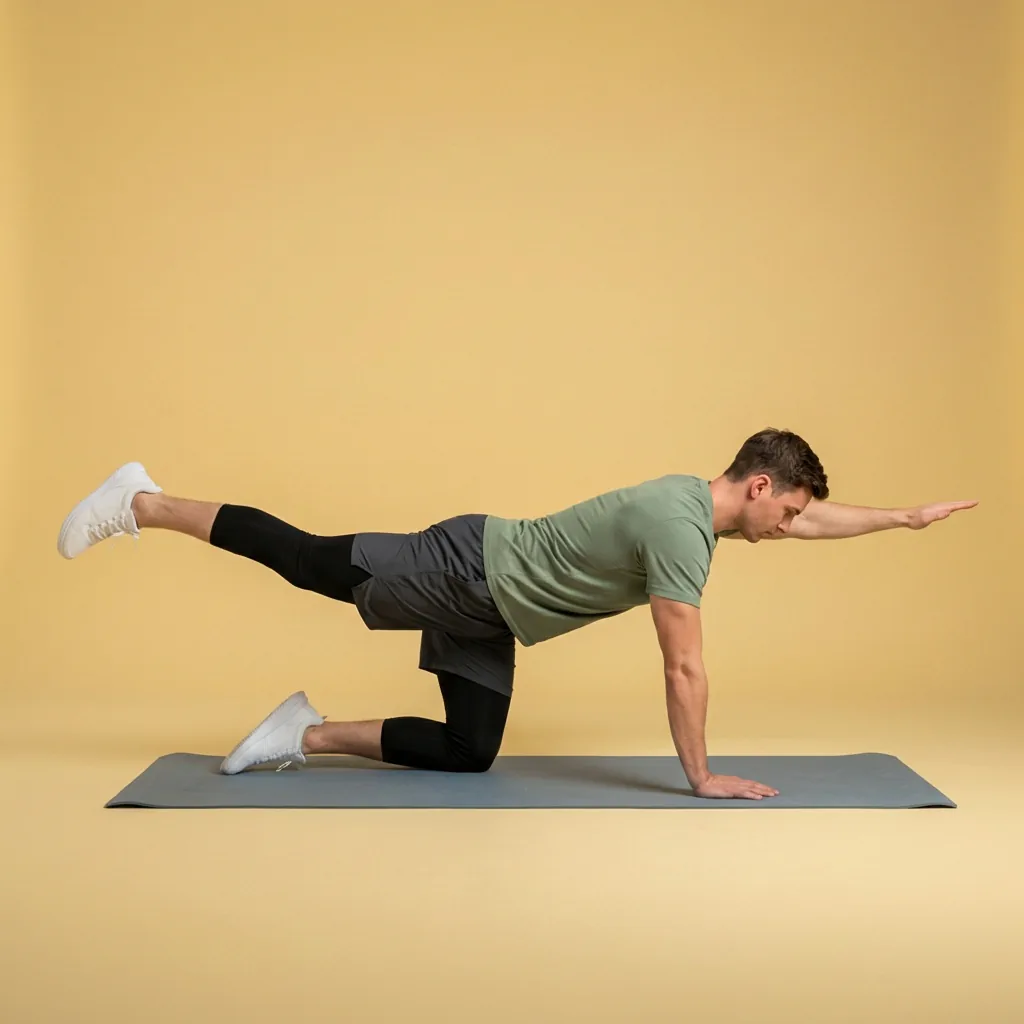
Routine categories
Core stability routines for controlled trunk strength.
Core stability is about controlling your trunk—bracing, resisting rotation, and keeping the spine steady while your limbs move. These routines favour controlled holds and anti-rotation patterns over high-rep sit-ups, because control tends to carry over better into lifting, running and daily tasks. Flexor guides each session with clear timing.
About Core & Stability
Stability over crunches
A stable core resists unwanted movement as much as it creates it. That is why stability routines lean on patterns like bracing, anti-rotation and controlled holds rather than endless spinal flexion. These patterns are generally spine-friendly and translate well to real movement.
Breathe while you brace
Good core control pairs a gentle brace with steady breathing rather than holding your breath. Flexor cues controlled movement so you can practise keeping the trunk quiet while you breathe and move the limbs, which is the skill most activities actually use.
Support for the spine and training
Building trunk control can support posture and make loaded movements feel steadier. Progress gradually and keep quality high—stability work is about control, not maximum effort. Flexor lets you pick shorter or longer sessions depending on the day.
Move comfortably
Prioritise control over intensity and keep the range comfortable. This is general fitness guidance, not medical advice; stop if you feel back pain, numbness or leg weakness and seek professional guidance.
Routines for Core & Stability
-
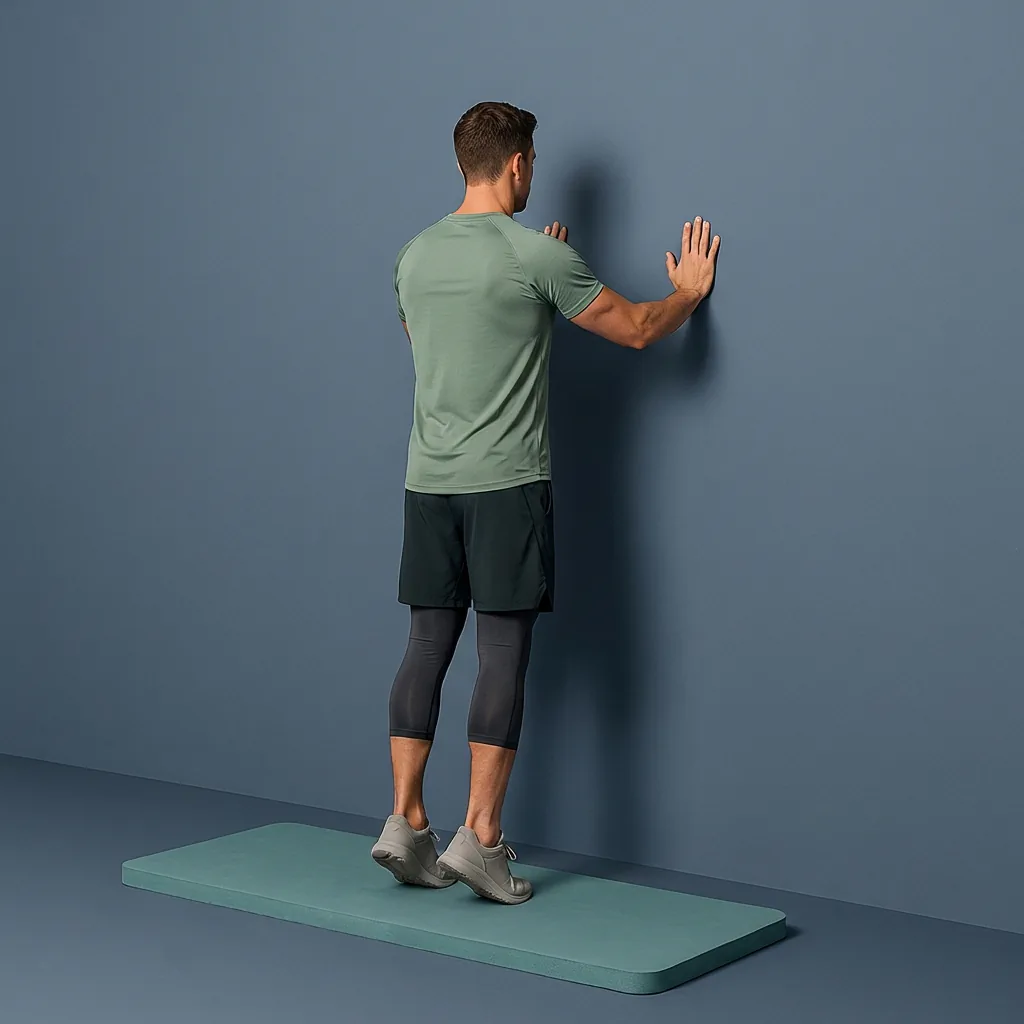 13 min Intermediate
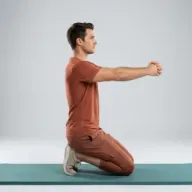
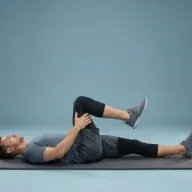
Ankle Strength and Mobility
A controlled ankle routine combining mobility, balance, and lower-leg strength for steadier everyday and sport movement.
-
-
-
-

-
- +9
-
-
 12 min Advanced
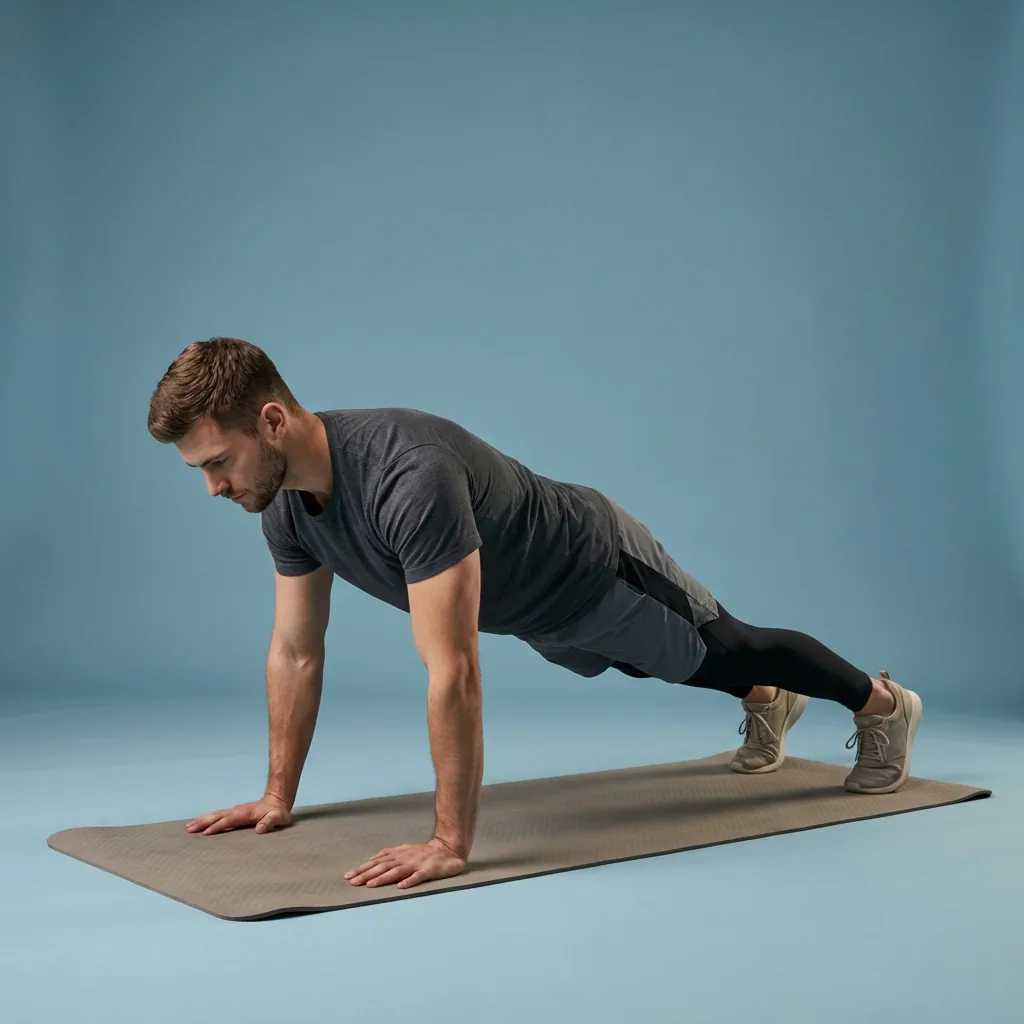
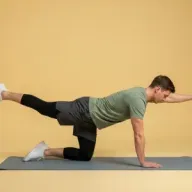
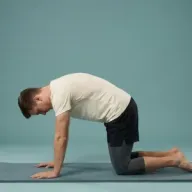
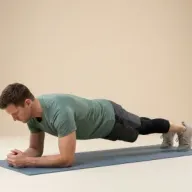
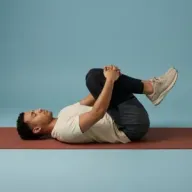
Core & Stability Light-up
A controlled core-stability sequence for bracing, balance, and trunk endurance, with clear progressions and no equipment.
-
-
-
-
-
- +8
-
-
 22 min Intermediate
Mobility and Control
A slow 22-move session for end-range joint control — single-leg stand, dead bug, and 90/90 hip switches build active flexibility.
-
-
-
-

-
- +17
-
-
 7 min Advanced
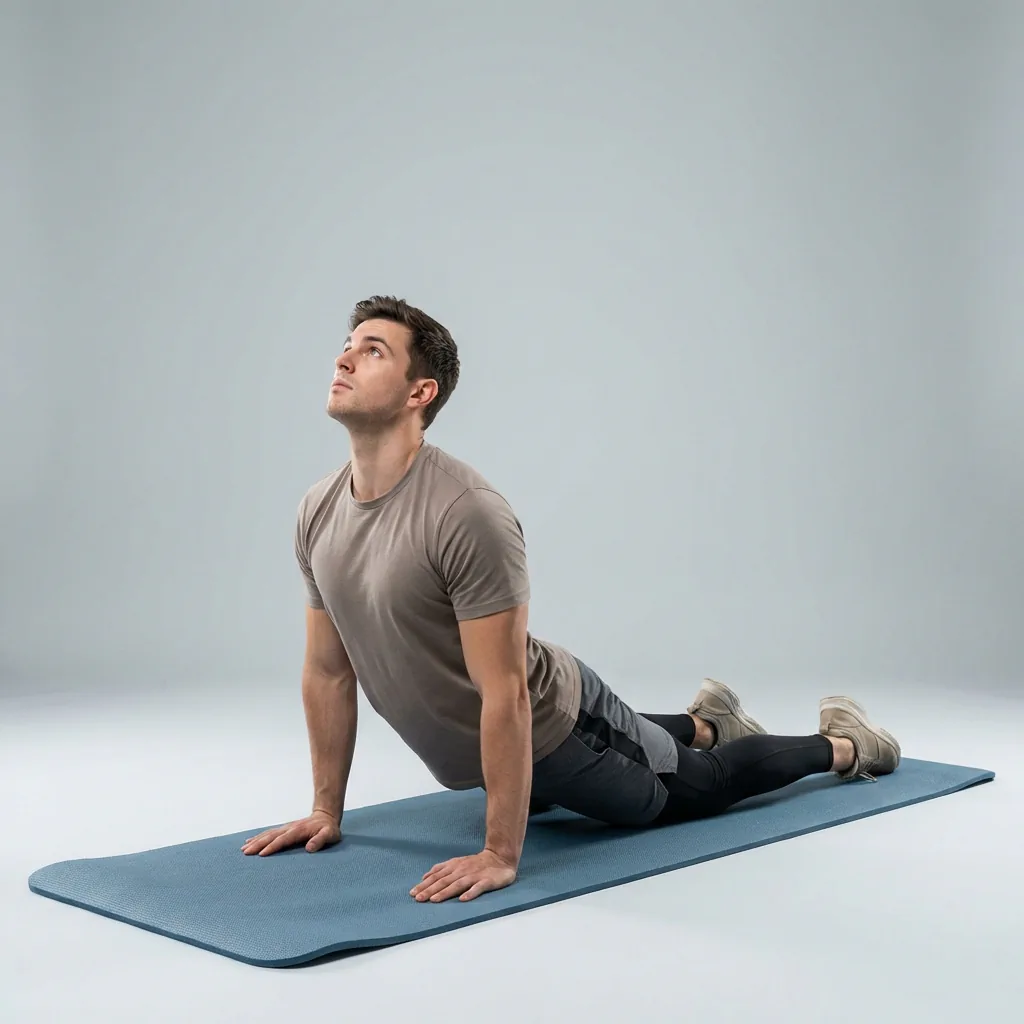
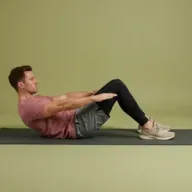
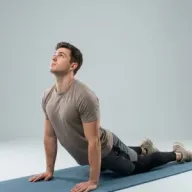
Pre-Workout Mobility: Core
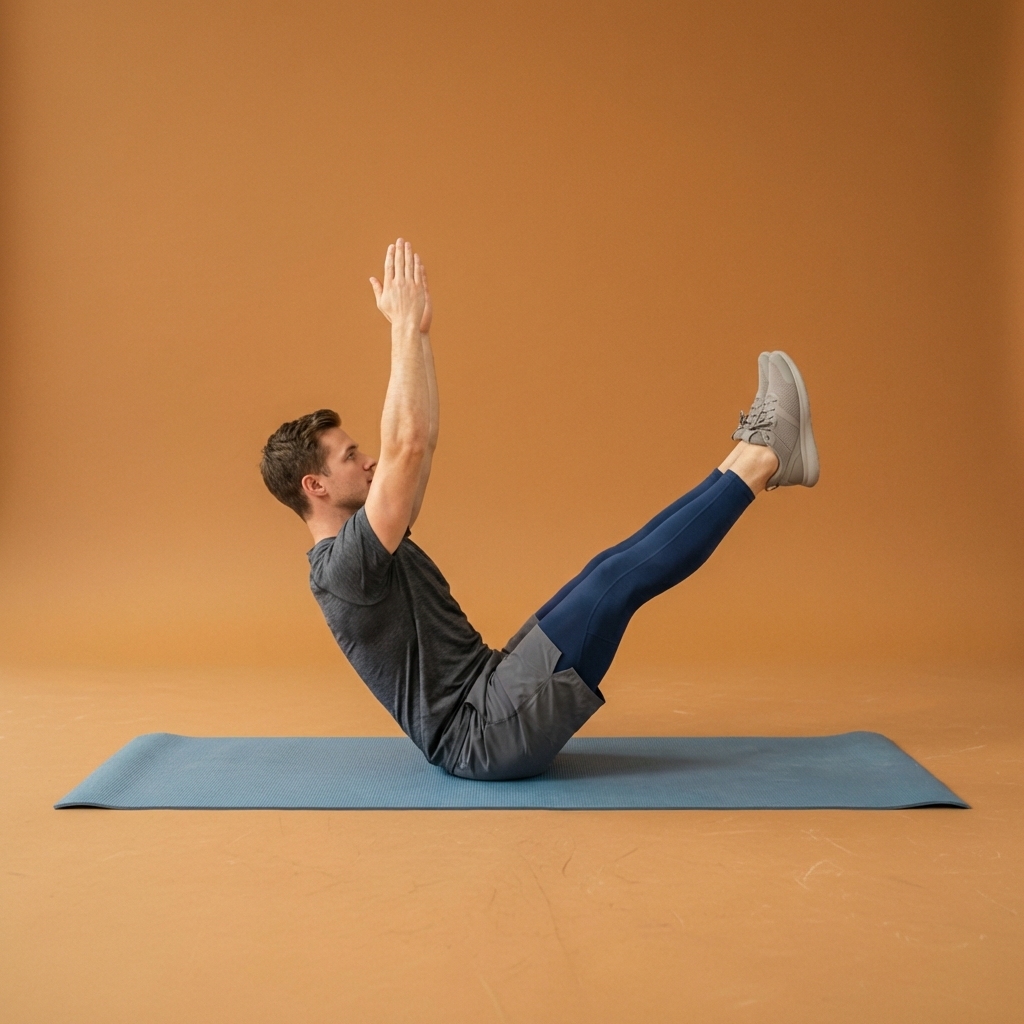
A 7-move core primer — v-sit, spiderman push-up hold, and bicycle crunch hold stabilizing the trunk before athletic work.
-
-
-
-
-
- +2
-
-
 5 min Intermediate
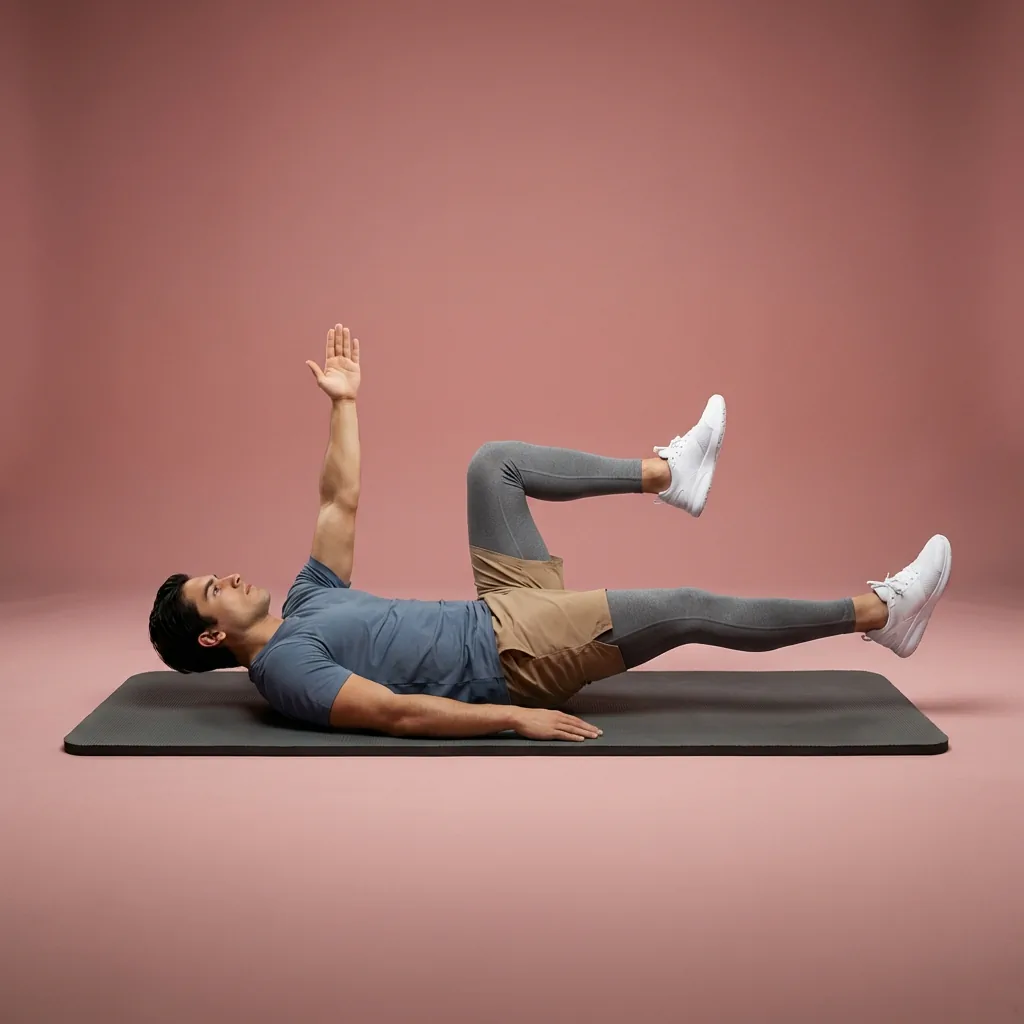
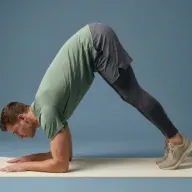
Quick Core Activation
A focused core-strength sequence using controlled bracing and floor-based movements to build trunk endurance without equipment.
-
-
-

-
-
- +1
-
-
 14 min Advanced
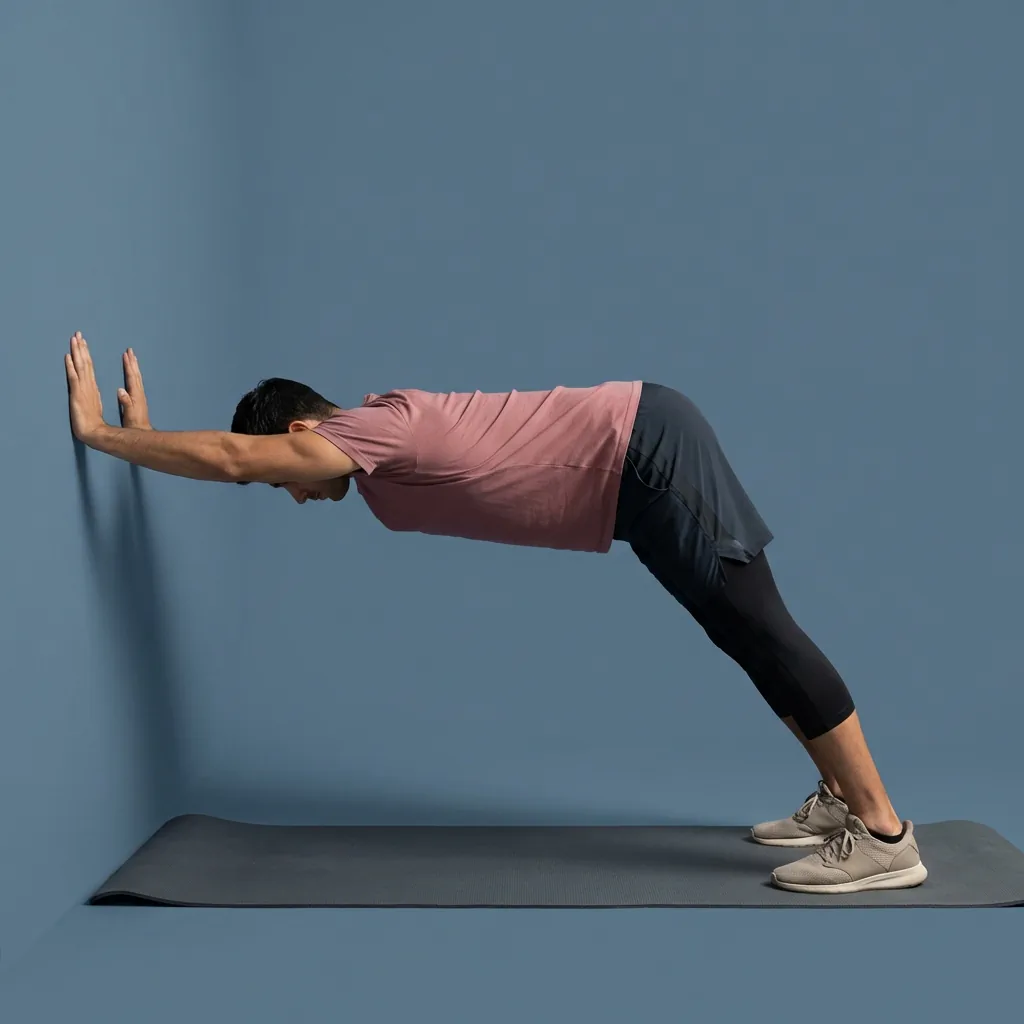
Shoulder Stability & Ease
An advanced 15-move shoulder session — wall plank, rotator cuff activation, and controlled reaches for stable, mobile arms.
-

-

-
-
-
- +10
-
-
 13 min Beginner
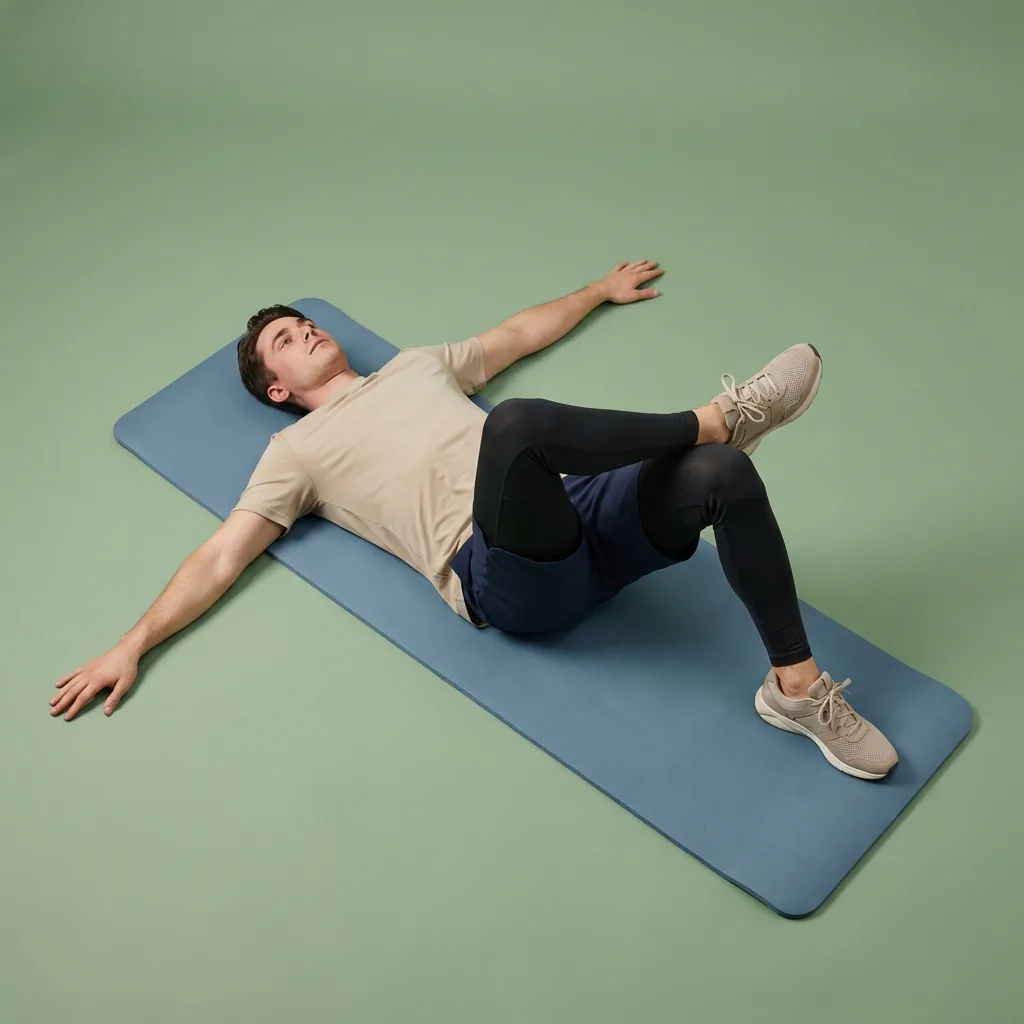
Spine and Core Support
A controlled trunk and hip sequence for bracing, movement awareness, and comfortable everyday support.
-
-
-

-

-
- +8
-
-
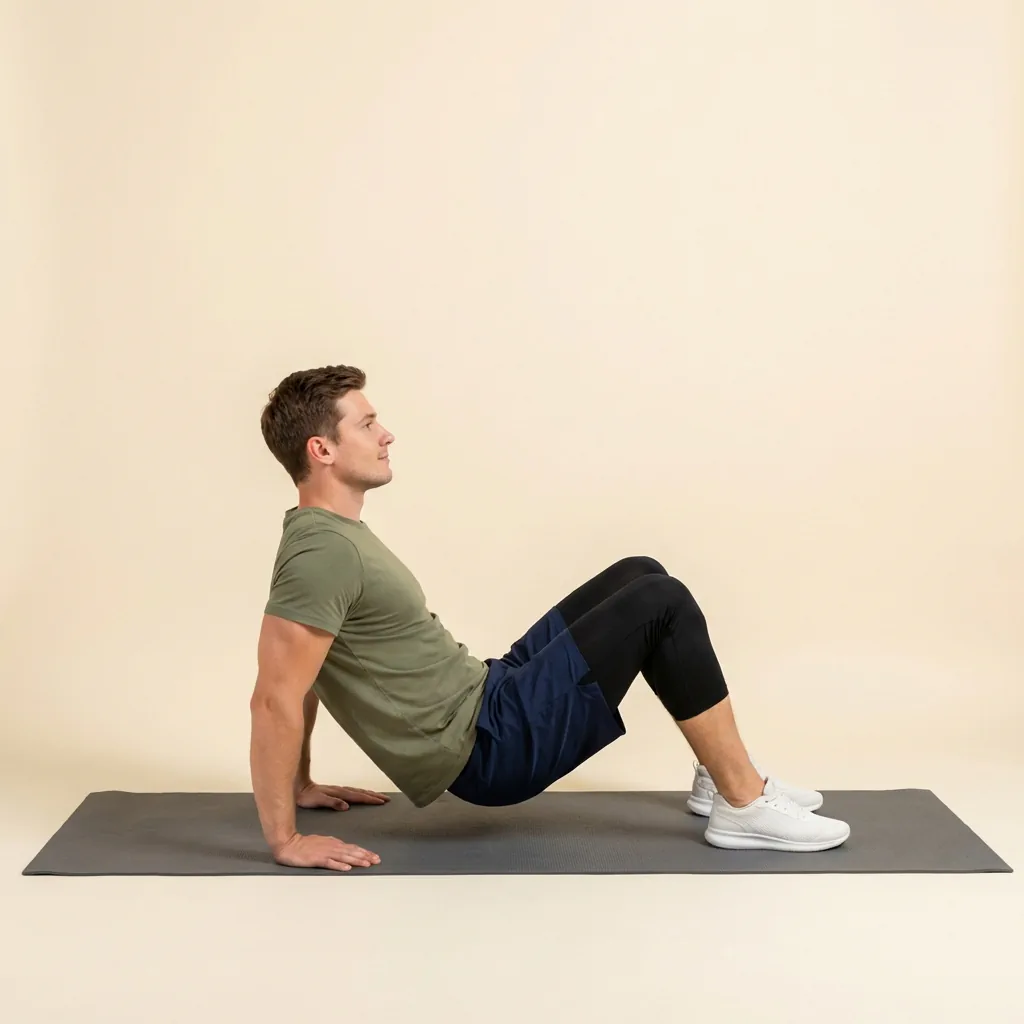 8 min Advanced
Strength Prep Mobility Flow
A 9-move advanced strength prep — jump squats, dip hold, and elbow plank leg lift weaving mobility and active stability.
-

-
-

-
-
- +4
-
Explore related pages
Common questions
What is the difference between core strength and core stability?
Core strength is how much force your trunk muscles can produce, while core stability is your ability to control the trunk and resist unwanted movement. Stability routines emphasise control through bracing and anti-rotation patterns rather than maximal effort. Both have value, but for everyday movement and spine support, many people benefit from prioritising controlled, spine-friendly stability work first.
Are core stability routines safe for my back?
Controlled stability patterns such as bracing and anti-rotation are generally considered spine-friendly and are widely used, but suitability depends on you. Keep the range comfortable, prioritise control over intensity, and progress gradually. If you have back pain, a diagnosed condition, or symptoms like numbness or leg weakness, stop and get advice from a qualified professional before continuing.
How often should I train core stability?
A few short sessions across the week is a reasonable starting point, and you can include brief stability work within warm-ups or training. Because these routines focus on control rather than maximum effort, quality matters more than volume. Keep movements clean and comfortable, rest when you feel fatigued, and build difficulty gradually rather than all at once.