
Routine categories
Warm-up routines to prime your body before you train.
A warm-up gradually raises your heart rate and takes the joints you are about to use through their range, so the first few minutes of a workout feel smoother. Flexor warm-ups lean on dynamic, controlled movement rather than long static holds, and you can match them to the activity ahead—running, lifting, cycling or sport.
About Warm Up
Why warm-ups are dynamic, not static
Before activity, movement that gently rehearses what you are about to do tends to feel better than holding a long stretch. Warm-up routines use controlled swings, rotations and progressive range so tissues warm up and the relevant joints move freely. Save the longer, calmer holds for a cool-down when the goal is winding down instead of preparing.
Match the warm-up to the activity
A running warm-up prioritises hips, ankles and calves; a lifting warm-up opens the shoulders, thoracic spine and hips; a sport warm-up adds quick, multi-directional movement. Flexor groups warm-up routines by focus and duration so you can pick one that rehearses the patterns your session actually demands.
Keep it short and progressive
A warm-up only needs to be long enough to feel ready—often just a few minutes. Start easy and build intensity toward the end so you finish primed rather than tired. If a movement feels restricted, spend an extra round there instead of forcing depth.
Move comfortably
Build intensity gradually and keep movements controlled. This is general fitness guidance, not medical advice; ease off if anything feels sharp and skip movements that do not suit you.
Routines for Warm Up
-
 17 min Intermediate
Full Body Flow
An 18-move head-to-toe mobility sequence with hip switches, downward dog, and child's pose for days you need more than a quick shake-out.
-
-
-
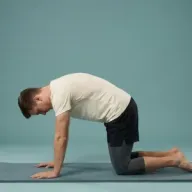
-

-
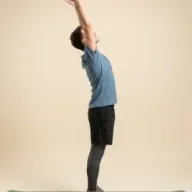
- +13
-
-
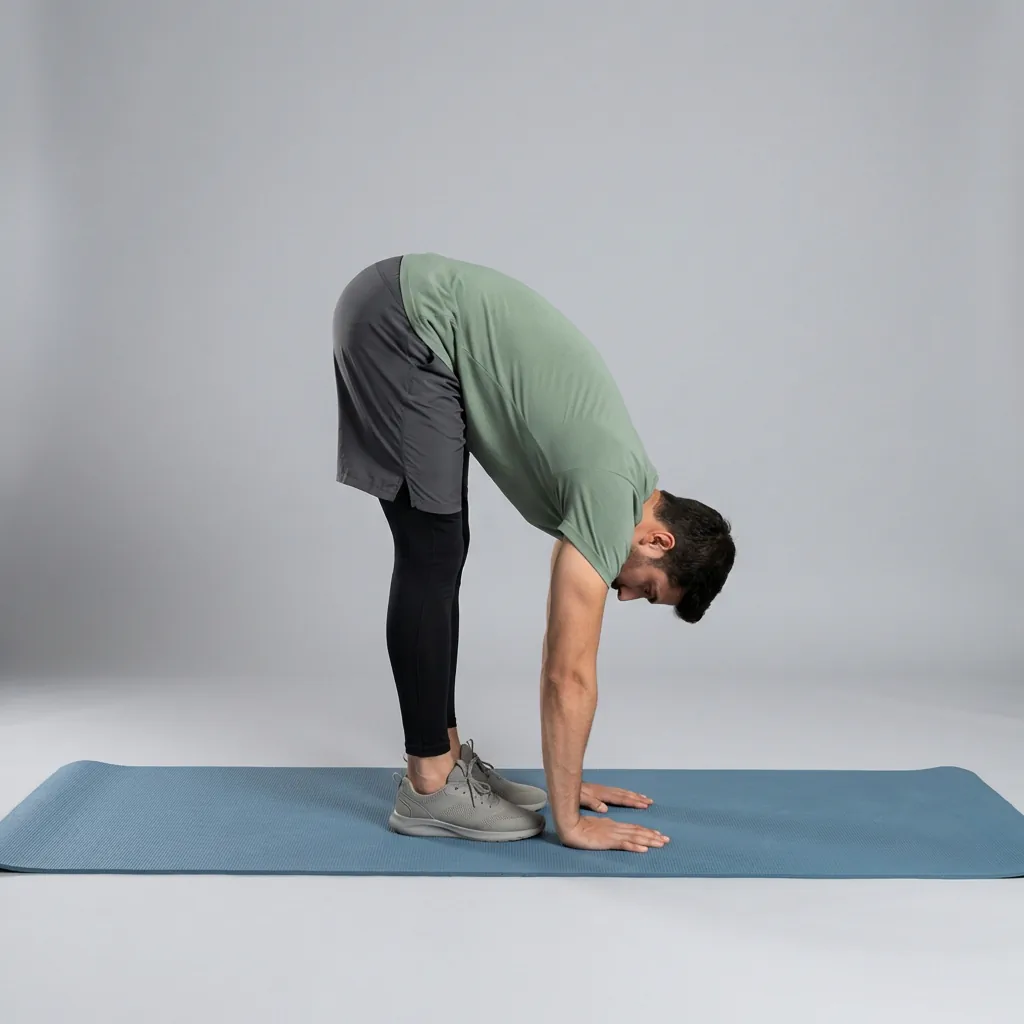 8 min Beginner
Mini Mobility Boost
An 8-move movement snack — ankle circles, hip circles, zombie walks, and toe touches to wake key joints fast.
-
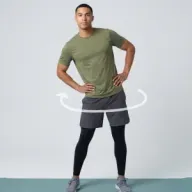
-
-

-
-
- +3
-
-
 5 min Advanced
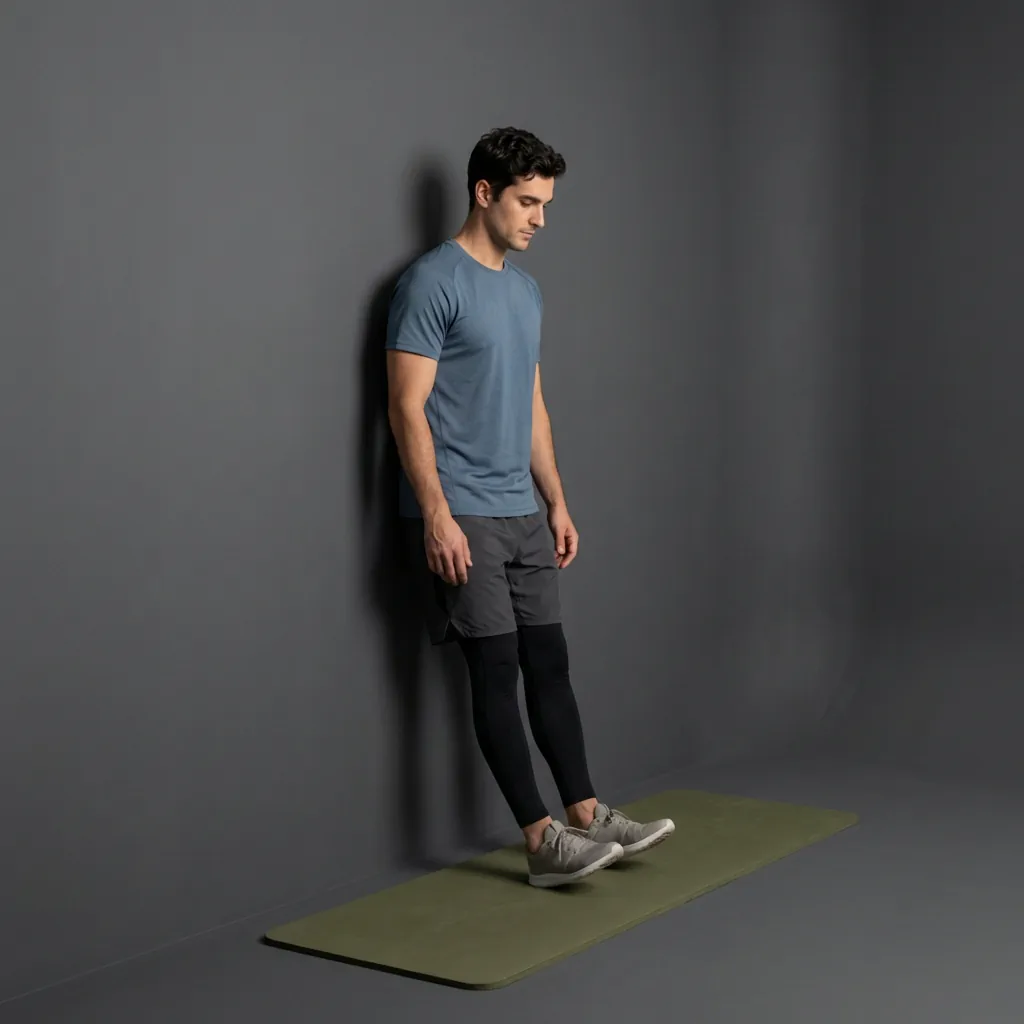
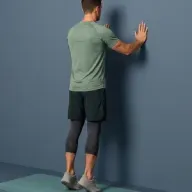
Pre-Workout Mobility: Ankles
A 6-move ankle primer — dorsiflexion drills, calf raises, and single-leg stand for stable knees and better squat depth.
-
-

-
-

-
- +1
-
-
 7 min Advanced
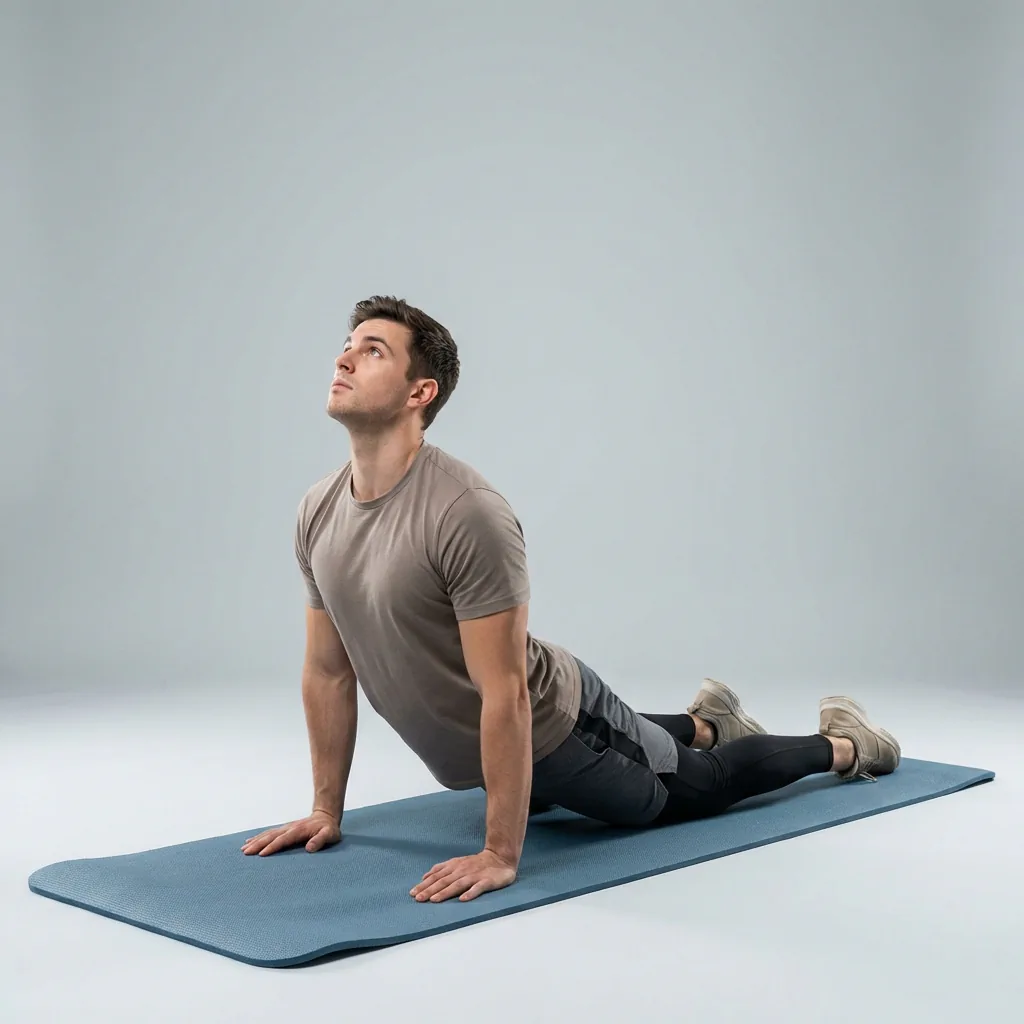
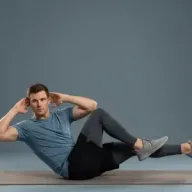
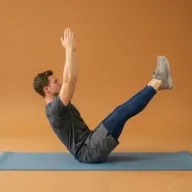
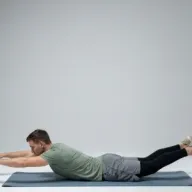
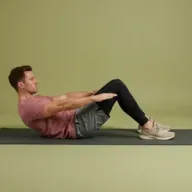
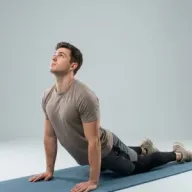
Pre-Workout Mobility: Core
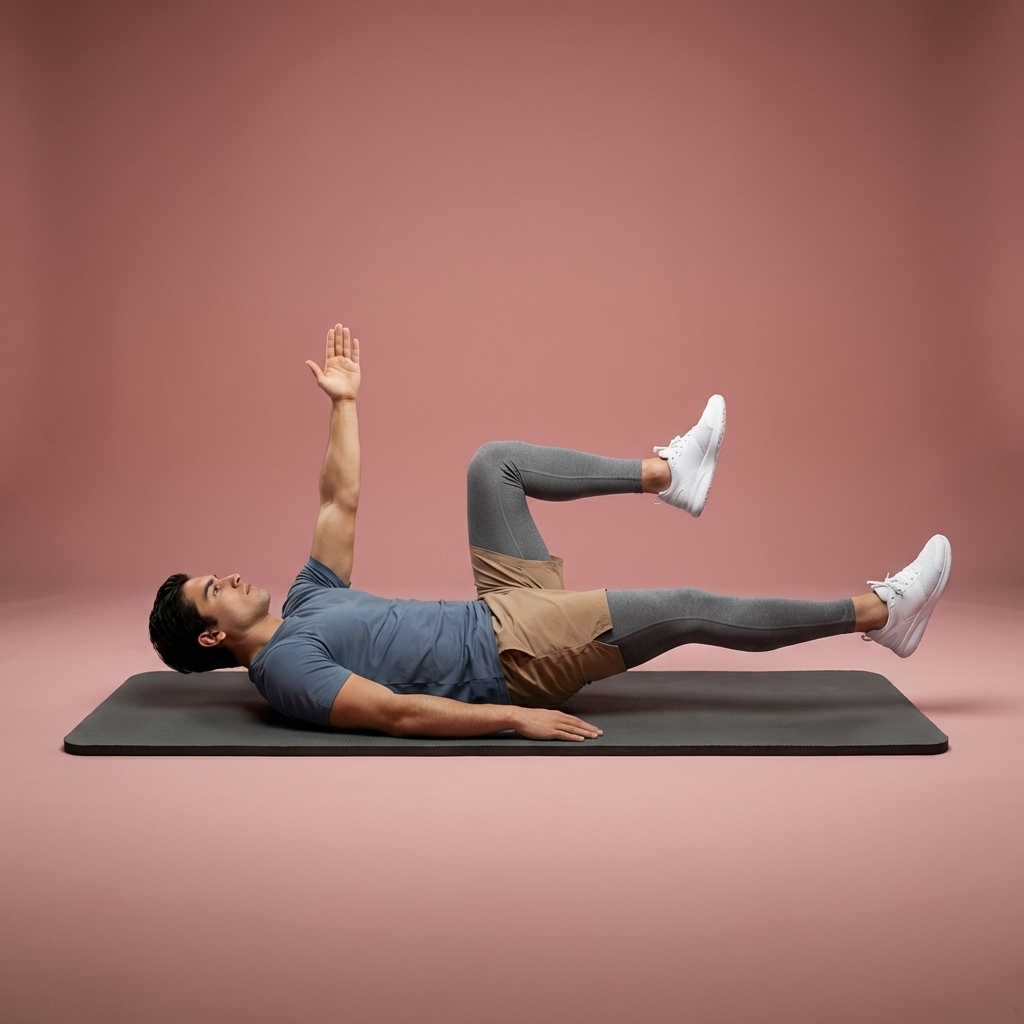
A 7-move core primer — v-sit, spiderman push-up hold, and bicycle crunch hold stabilizing the trunk before athletic work.
-
-
-
-
-
- +2
-
-
 12 min Intermediate
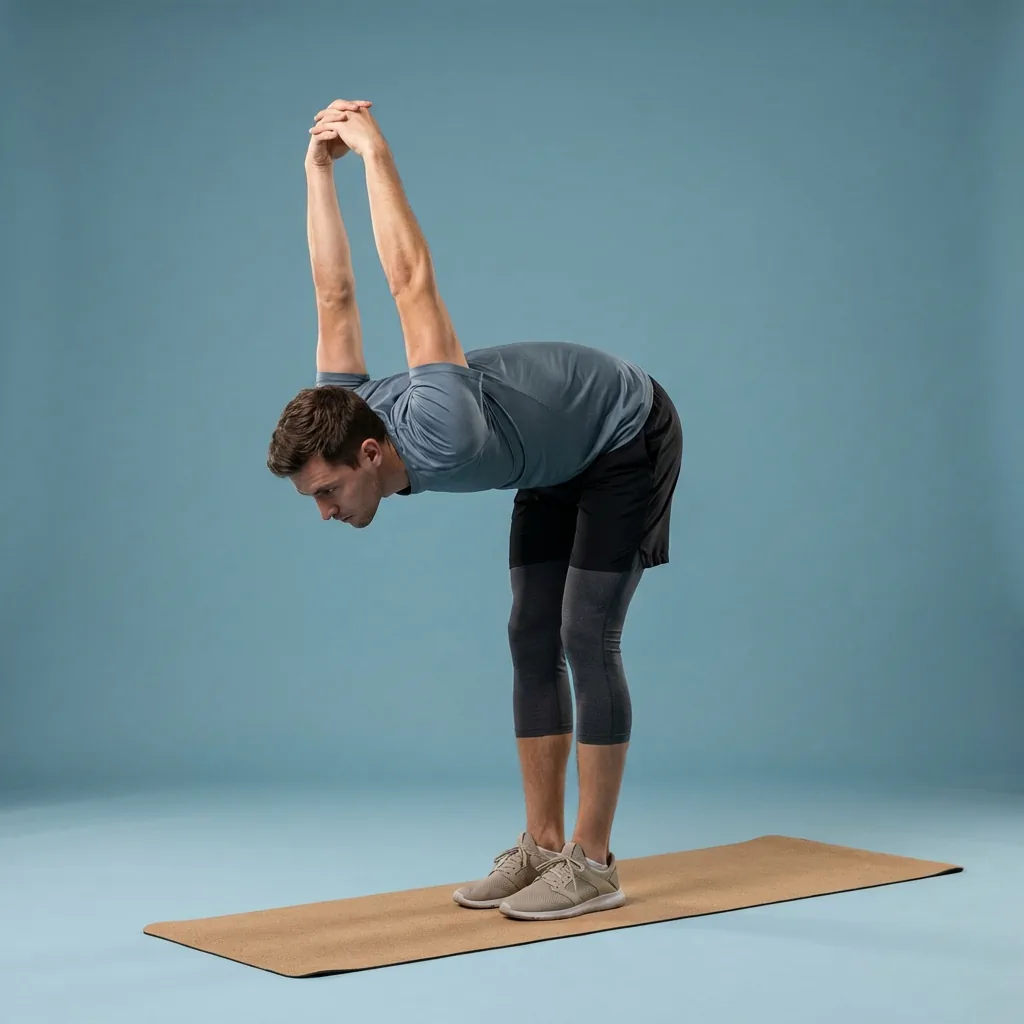
Pre-Workout Mobility: Full Body
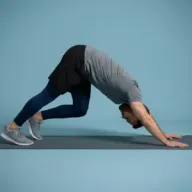
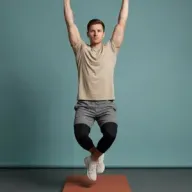
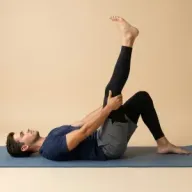
A 12-move full-body pre-workout primer with dead hang, cat-cow, figure-four, hurdler, calf stretch, and puppy pose.
-

-
-
-

-
- +7
-
-
 11 min Intermediate
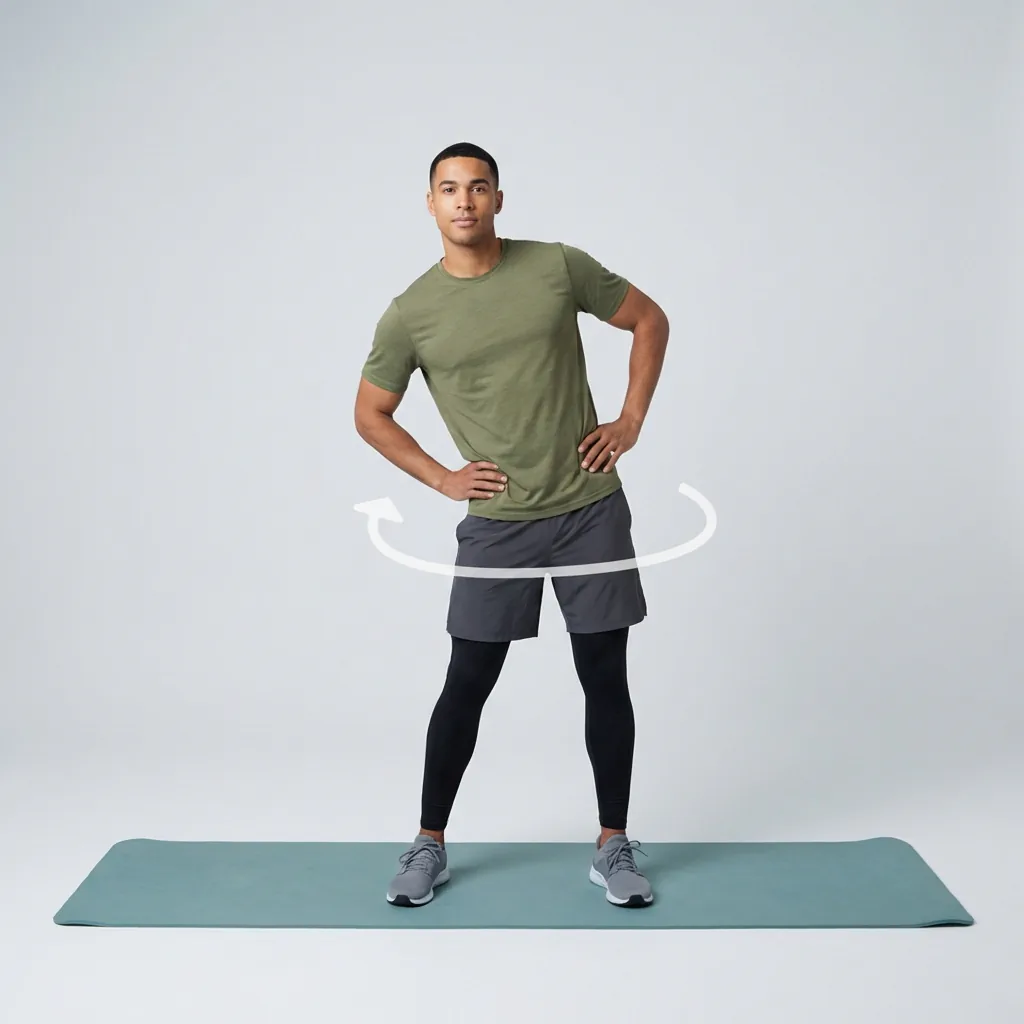
Pre-Workout Mobility: Hips
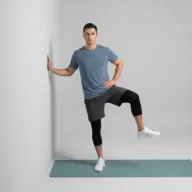
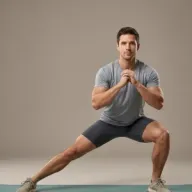
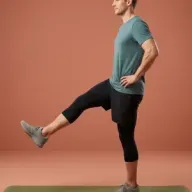
An 11-move hip primer — leg swings, 90/90 switches, and lateral lunge opening hip capsules before squats and lunges.
-
-
-
-
-
- +6
-
-
 8 min Advanced
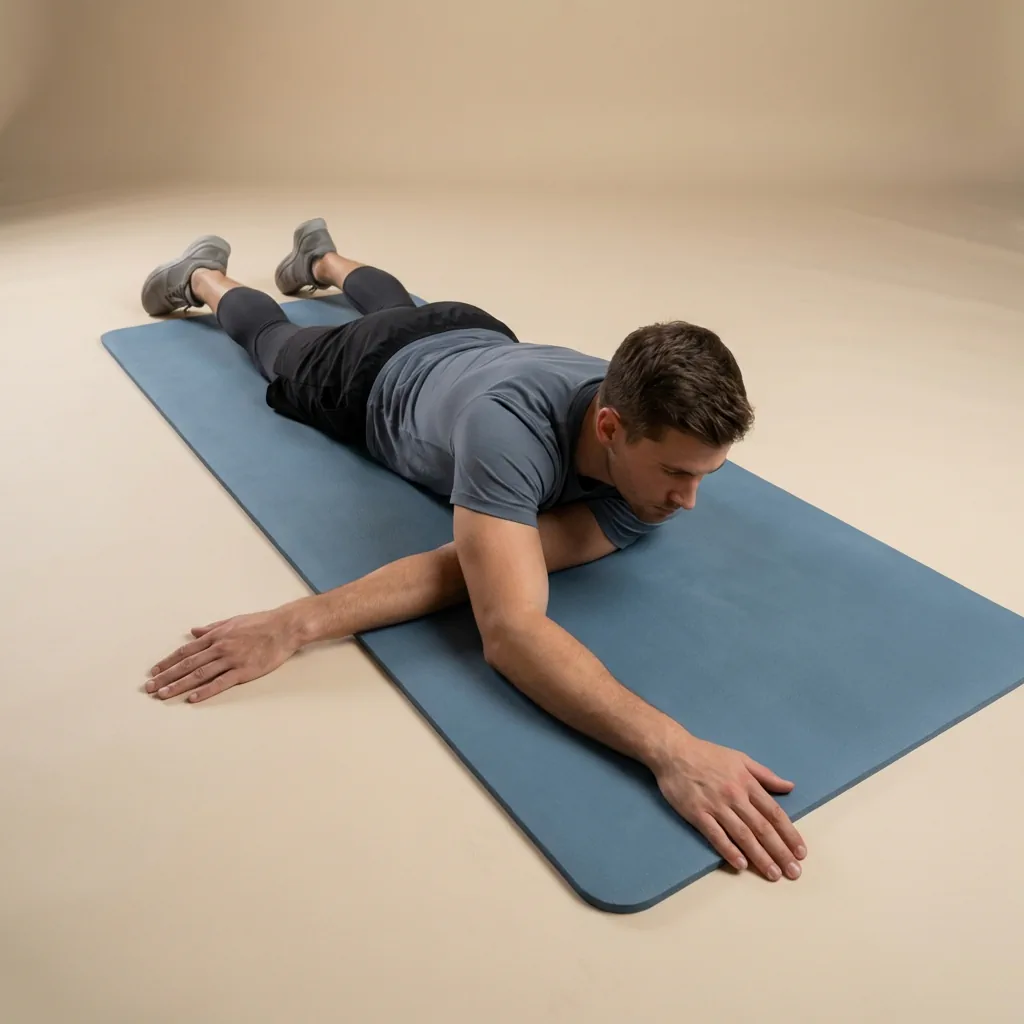
Pre-Workout Mobility: Shoulders
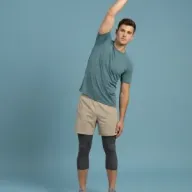
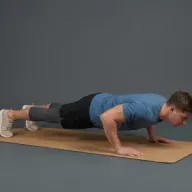
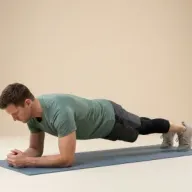
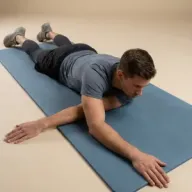
A 9-move shoulder primer — cactus arms, dynamic chest flys, and plank hold for scapular rhythm before upper-body load.
-
-
-
-
-
- +4
-
-
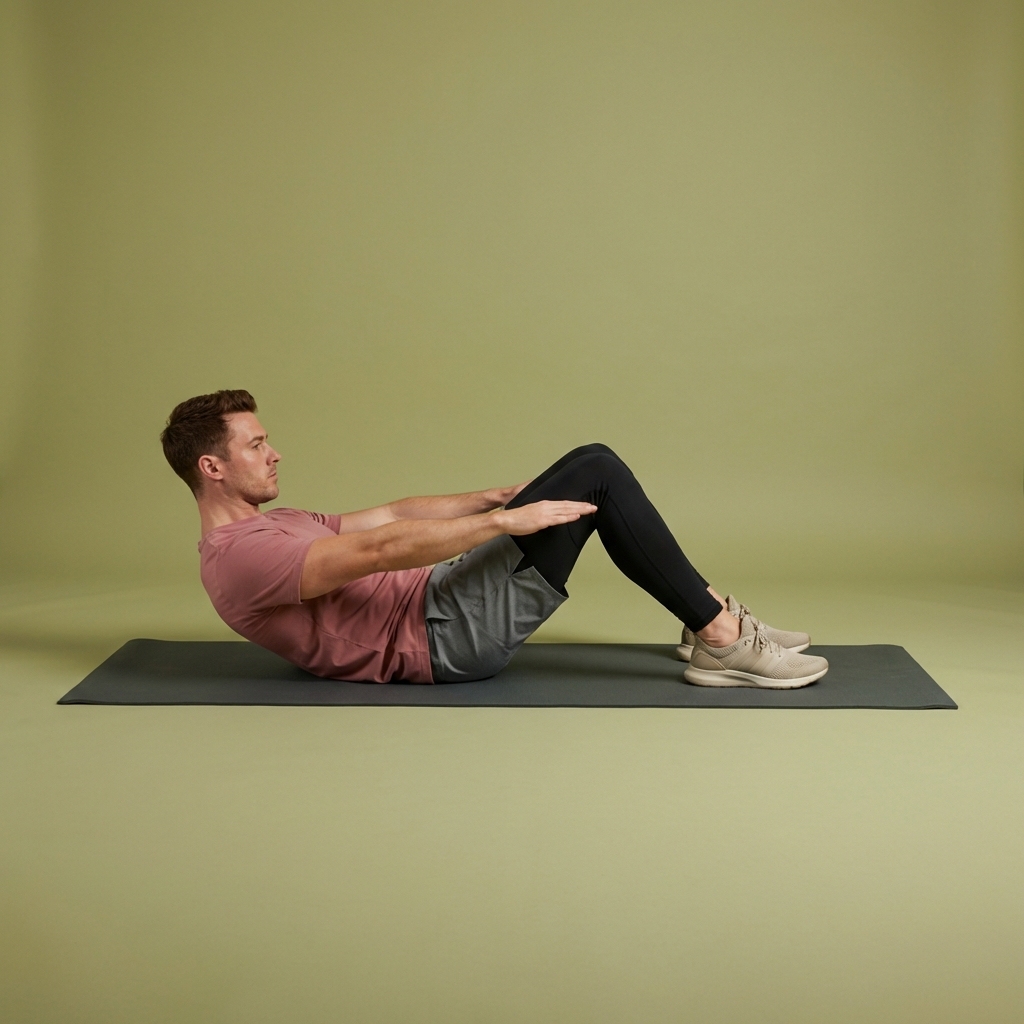 9 min Beginner
Rise and Shine
A bright morning mobility flow — upward salute, cat-cow, and air squats to wake joints from head to toe.
-
-

-
-
-

- +5
-
-
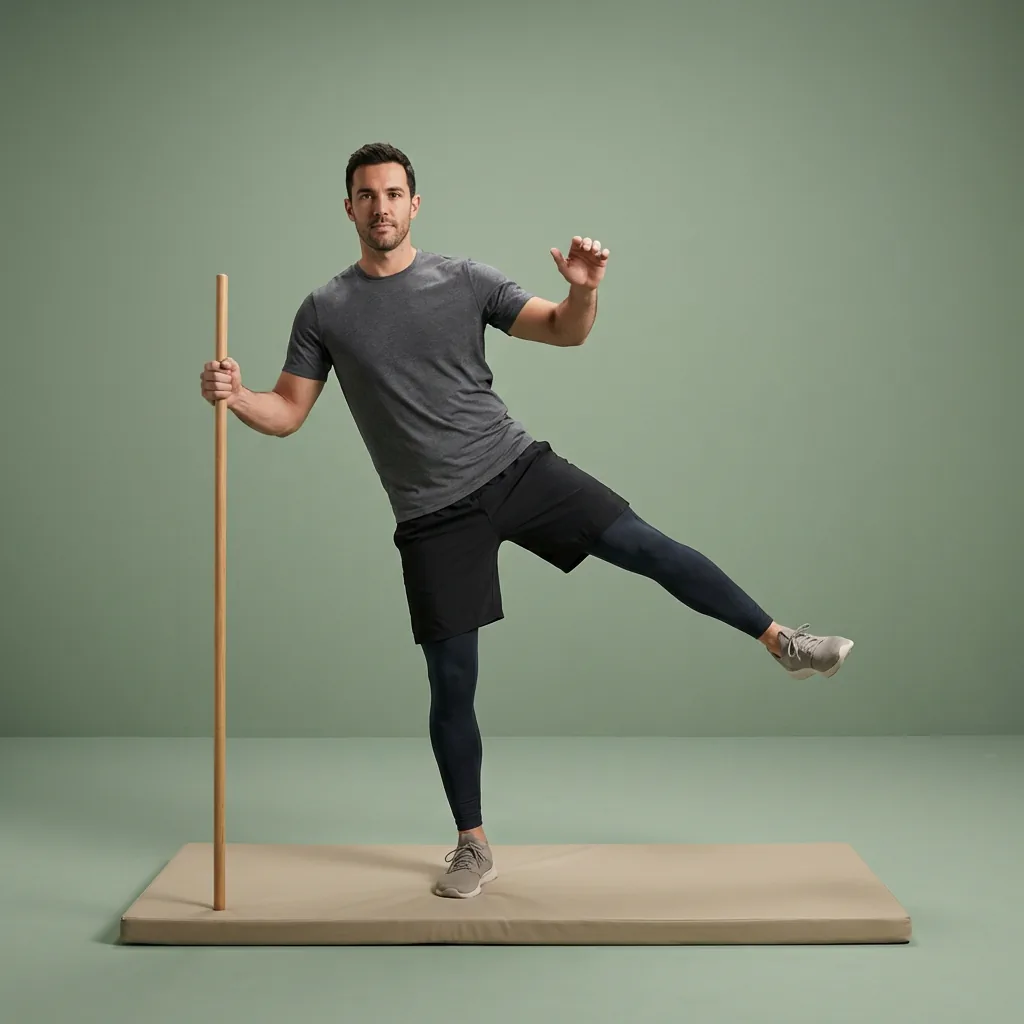 6 min Beginner
Speedy Lower-Body Mobility
A 6-move leg warm-up — adductor rocks, leg swings, hamstring scoops, and air squats to prep hips and legs fast.
-
-
-
-
-
- +1
-
-
 8 min Advanced
Strength Prep Mobility Flow
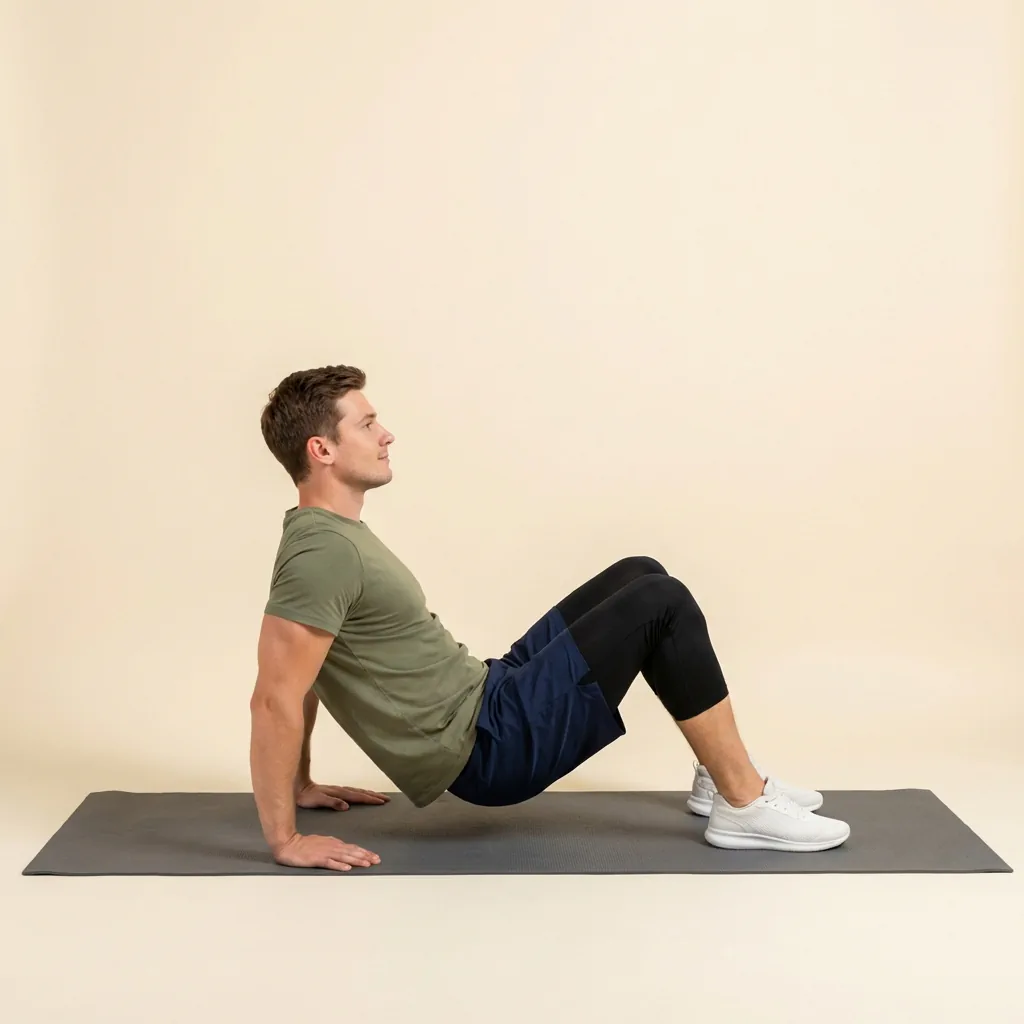
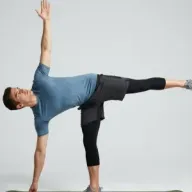
A 9-move advanced strength prep — jump squats, dip hold, and elbow plank leg lift weaving mobility and active stability.
-

-
-

-
-
- +4
-
-
 8 min Intermediate
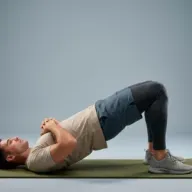
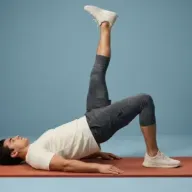
The Glute Primer
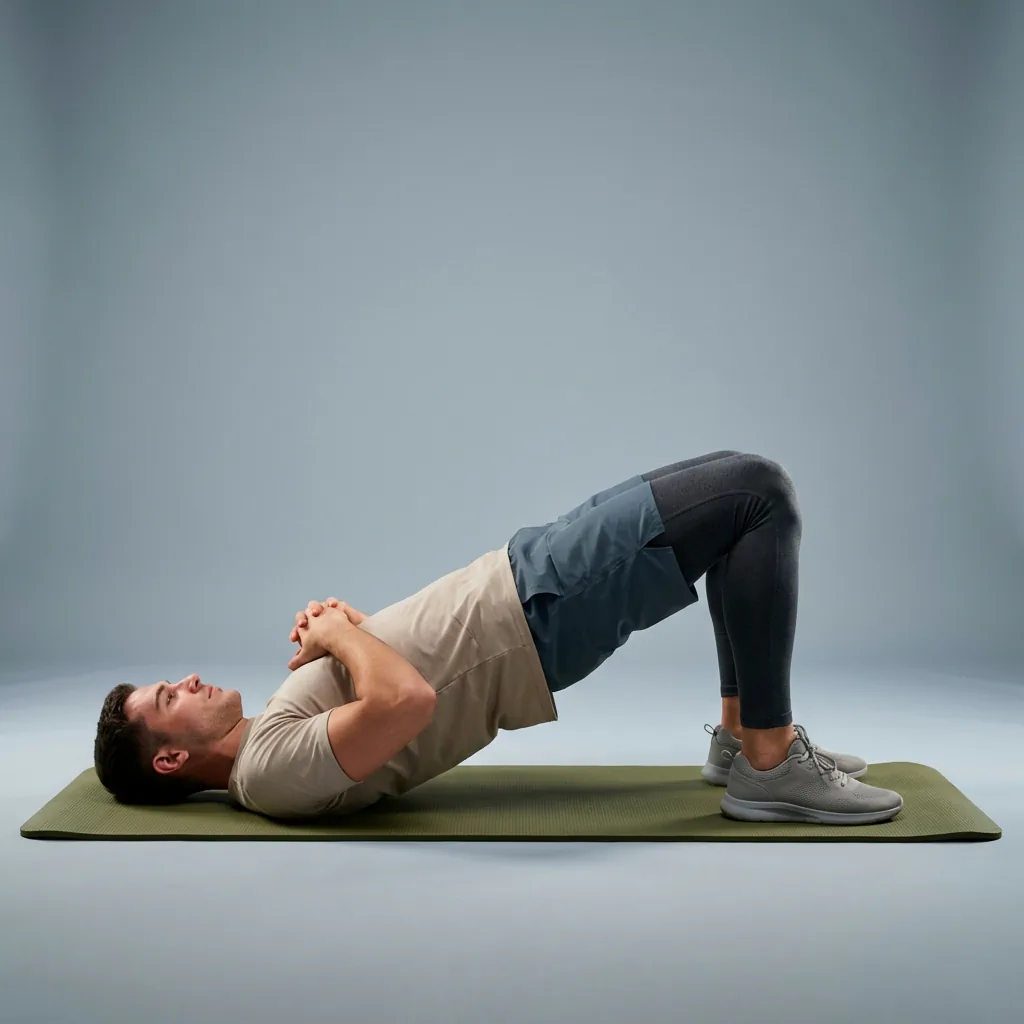
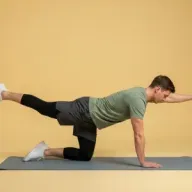
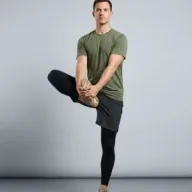
A 7-move glute activation burst — bird dog, hip bridges, and bridge leg lift to fire the posterior chain before training.
-
-
-
-
-
- +2
-
-
10 min Intermediate
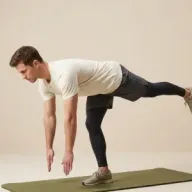
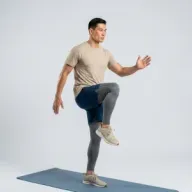
Warm-Up: Court Quickness
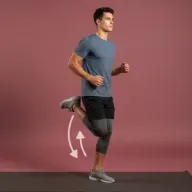
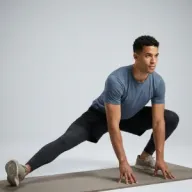
A 10-move court prep — side lunges, lateral leg swings, and butt kicks for multi-directional lower-body readiness.
-
-
-
-
-
- +5
-
-
 12 min Advanced
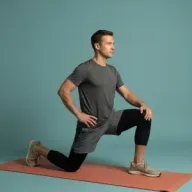
Warm-Up: Cycling Mobility
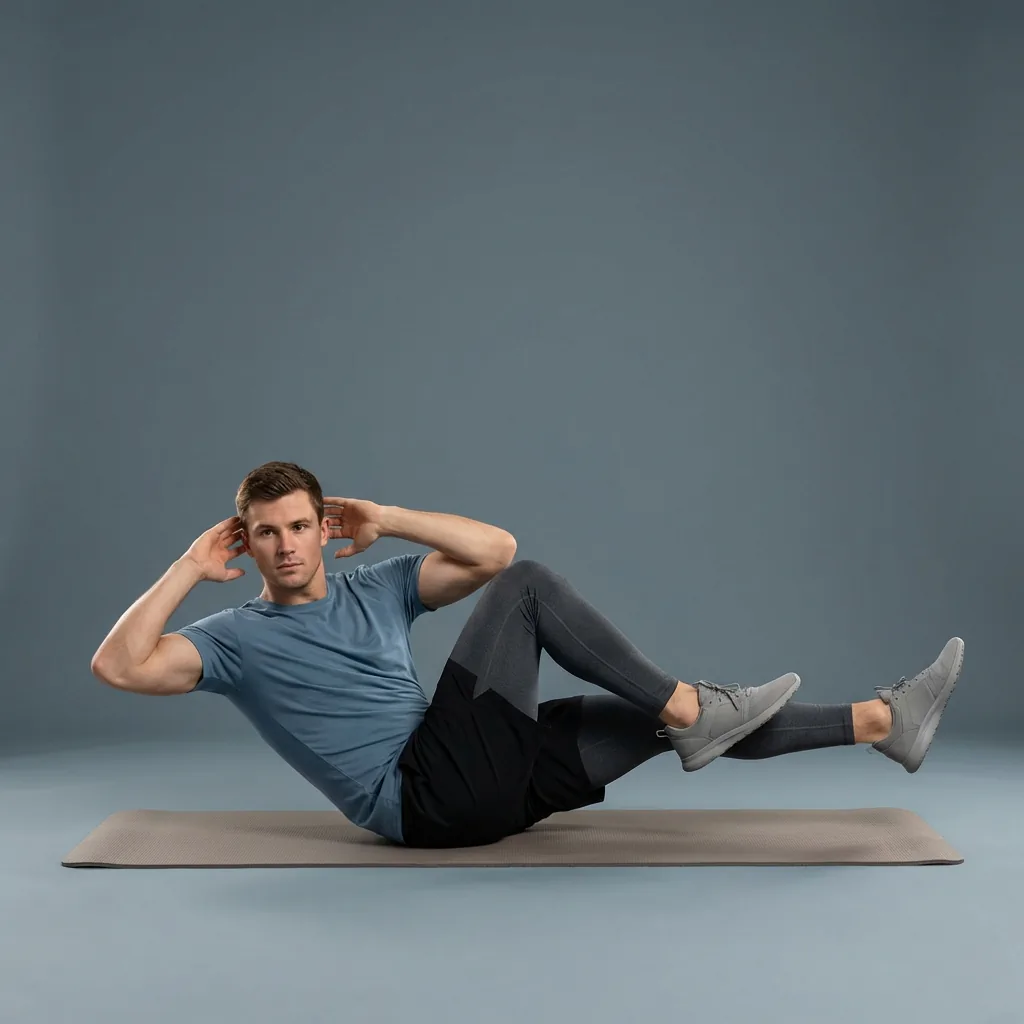
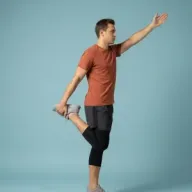
A 12-move cycling prep — hip flexor openers, hamstring scoops, and knee circles for pedaling posture and knee comfort.
-
-
-
-
-
- +7
-
-
 9 min Advanced
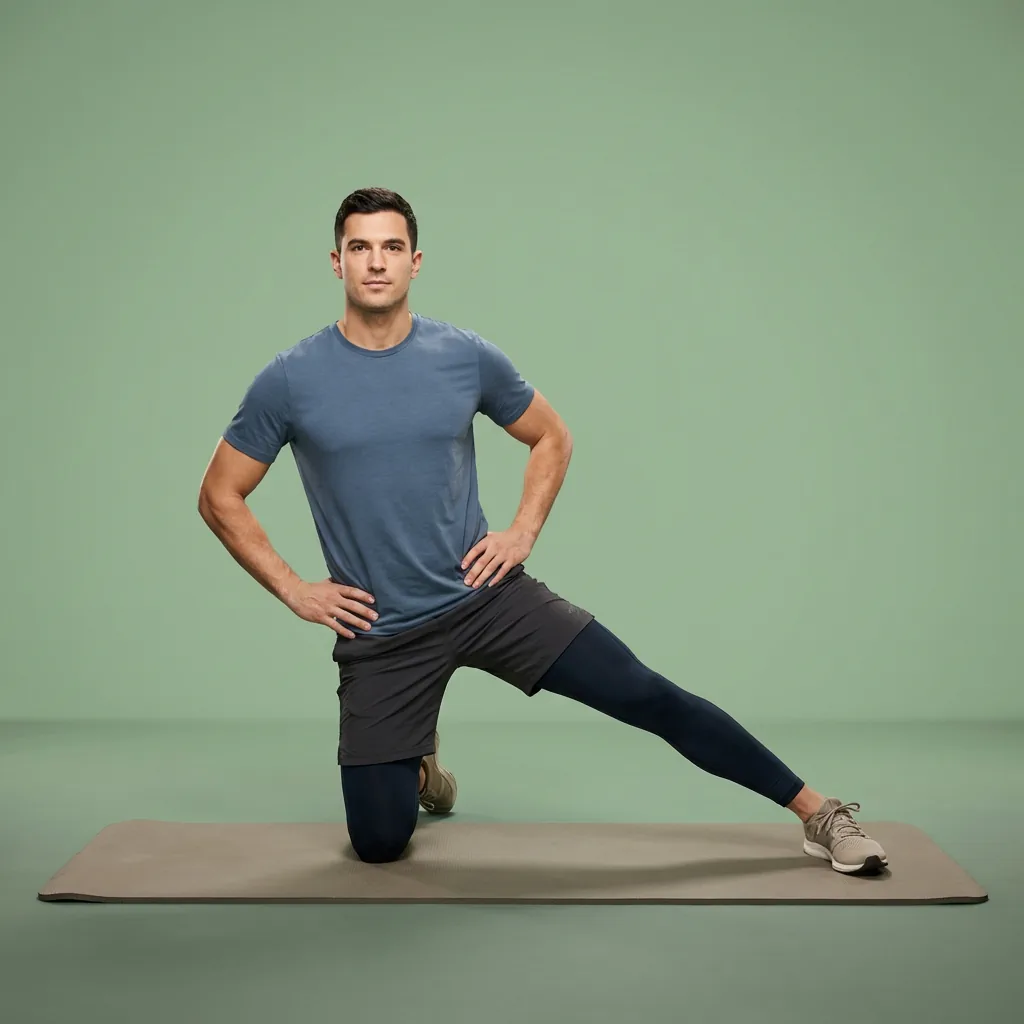
Warm-Up: Full-Body Shakeout
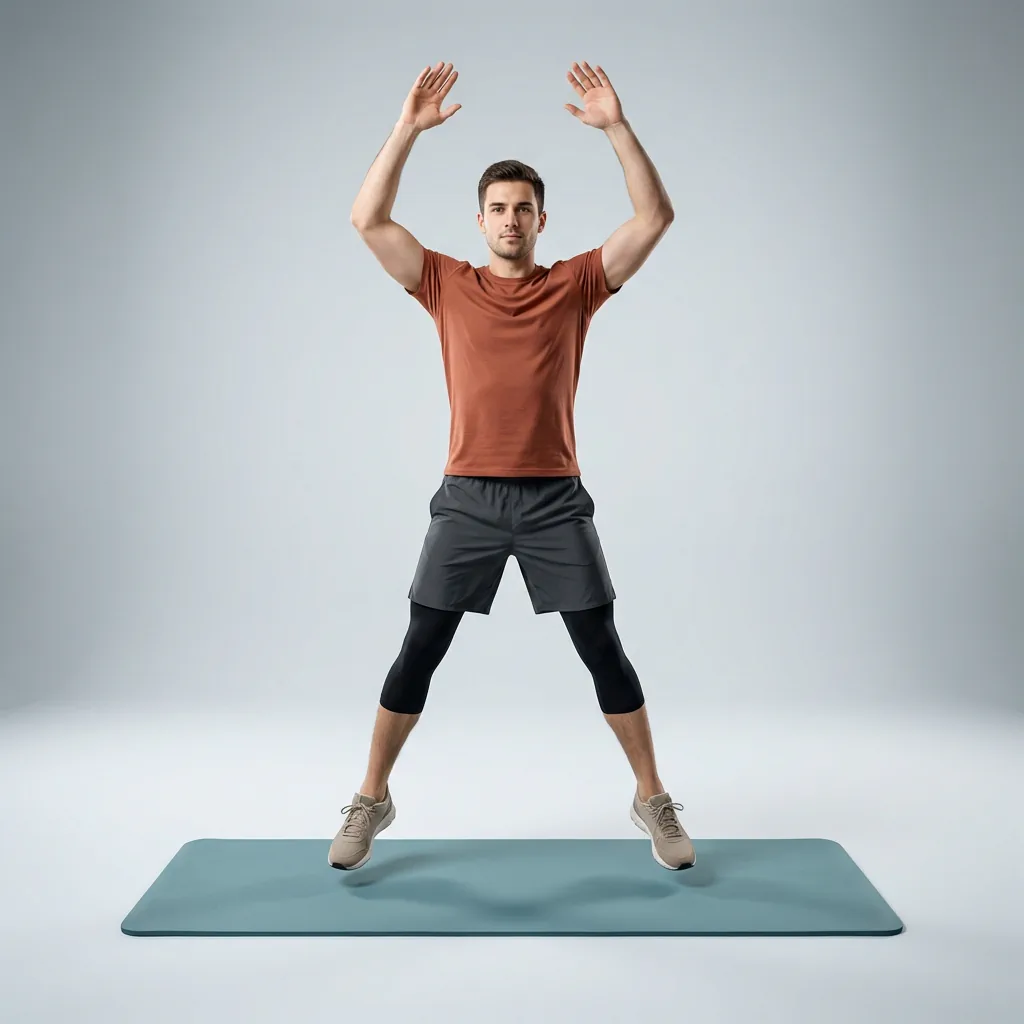
A 9-move rhythmic reboot — hip switches, adductor dips, and jumping jacks to raise core temperature and circulation.
-
-
-
-
-
- +4
-
-
11 min Intermediate
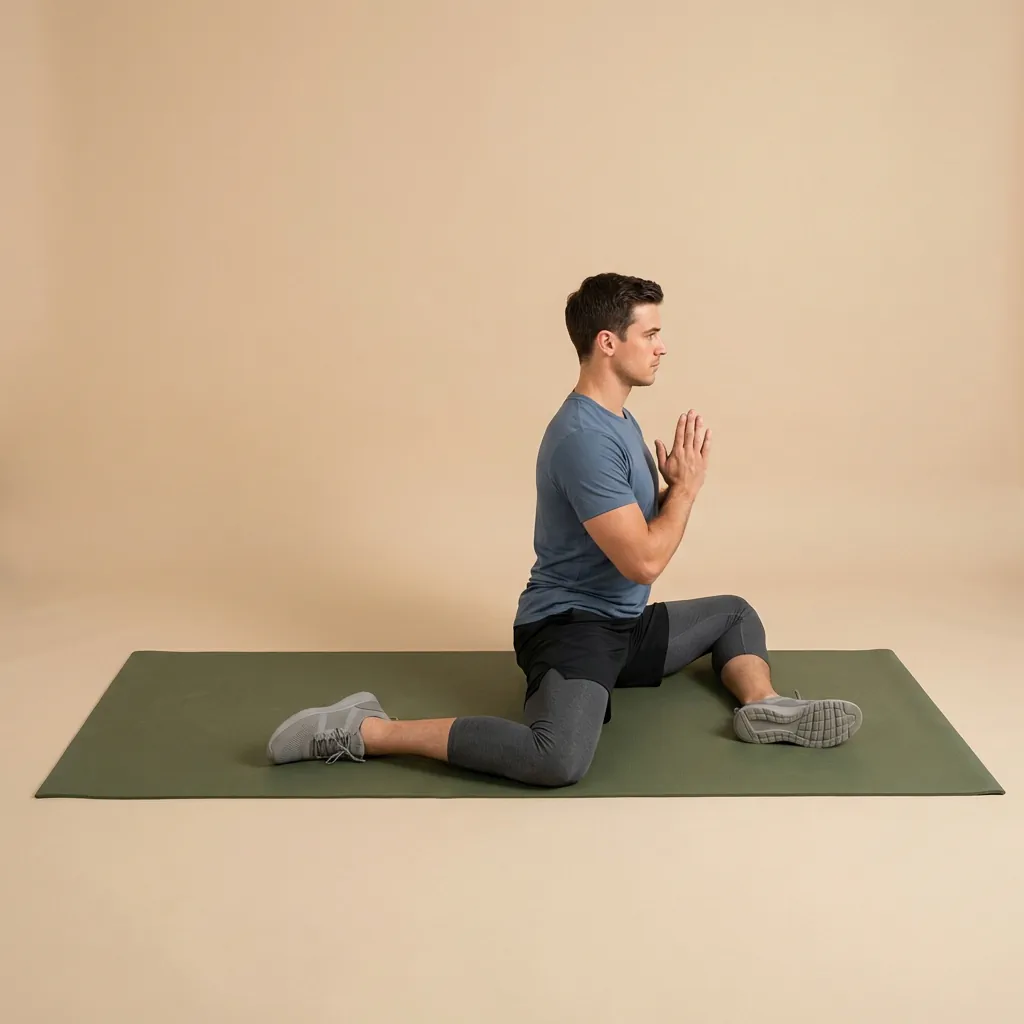
Warm-Up: Hips and Ankles
An 11-move lower-body warm-up — hip circles, lateral lunges, and knee-to-wall for squat depth and ankle dorsiflexion.
-
-
-
-
-
- +6
-
-
 9 min Intermediate
Warm-Up: Lower-Body Activation
A 9-move lower-body power prep — kang squats, chair pose, and controlled butt kicks for glute and quad recruitment.
-
-
-
-
-
- +4
-
-
 10 min Advanced
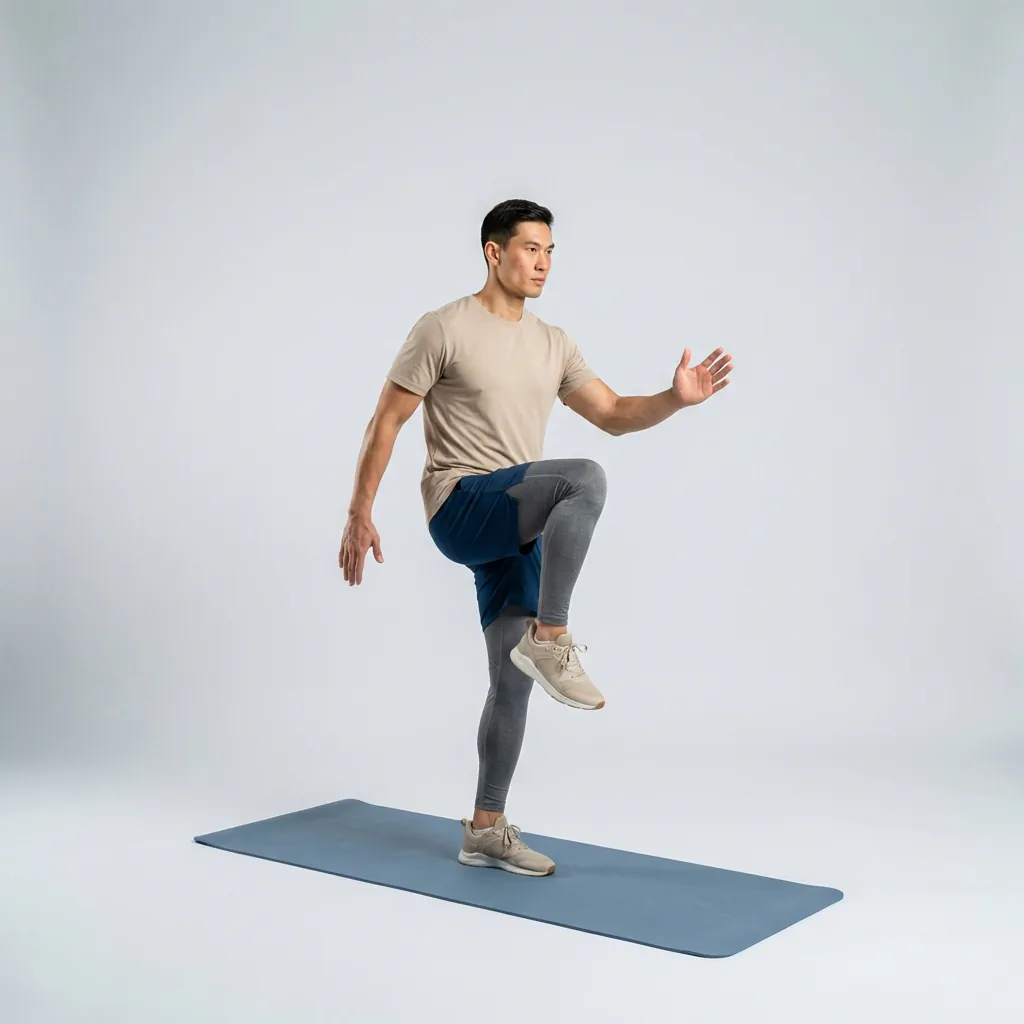
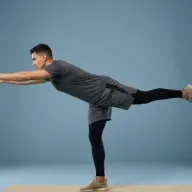
Warm-Up: Run-Ready Prep
An 11-move run prep — high knees, warrior III, and dynamic quad stretch priming hips, hamstrings, and ankles for impact.
-
-
-

-
-
- +6
-
-
 10 min Beginner
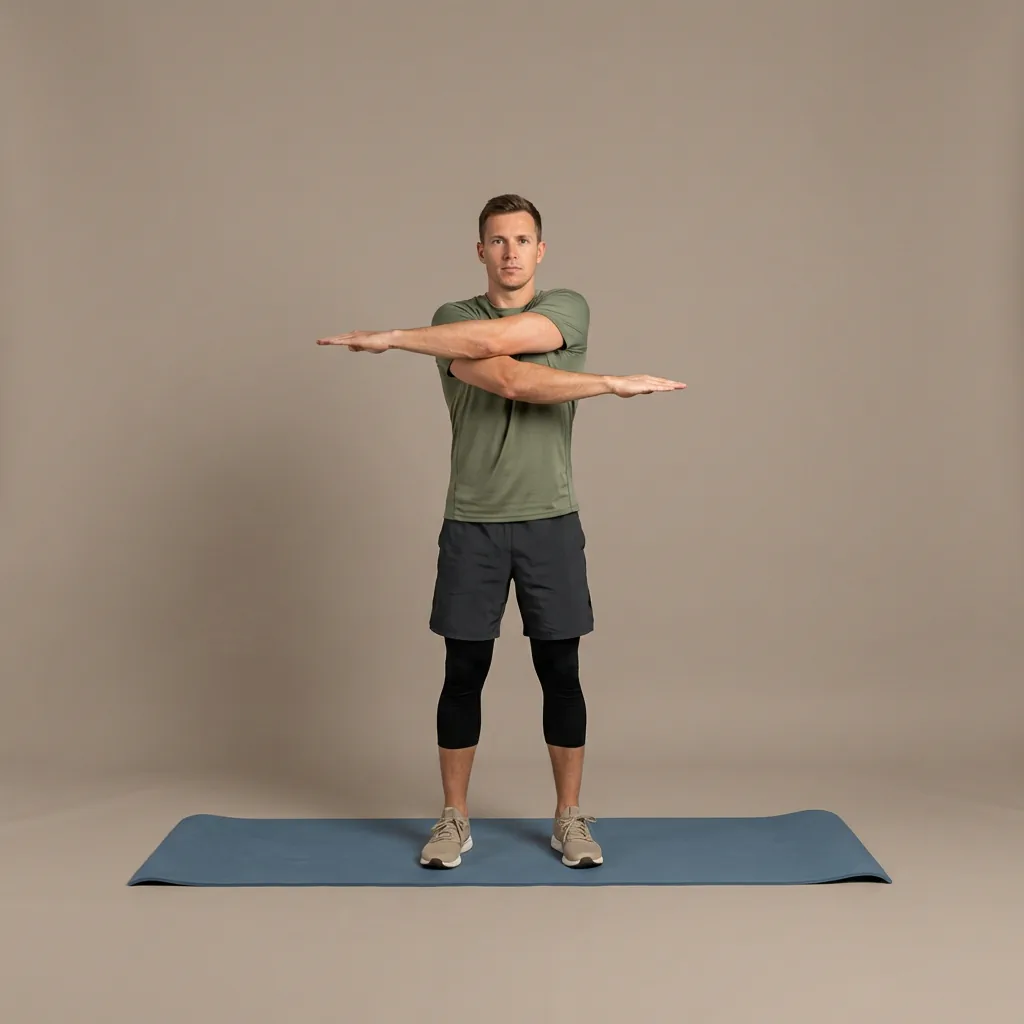
Warm-Up: Shoulder Readiness
An 11-move shoulder prep — wall arms, dynamic chest flys, and overhead reach for rotator cuff and scapular readiness.
-
-
-
-
-
- +6
-
-
 12 min Advanced
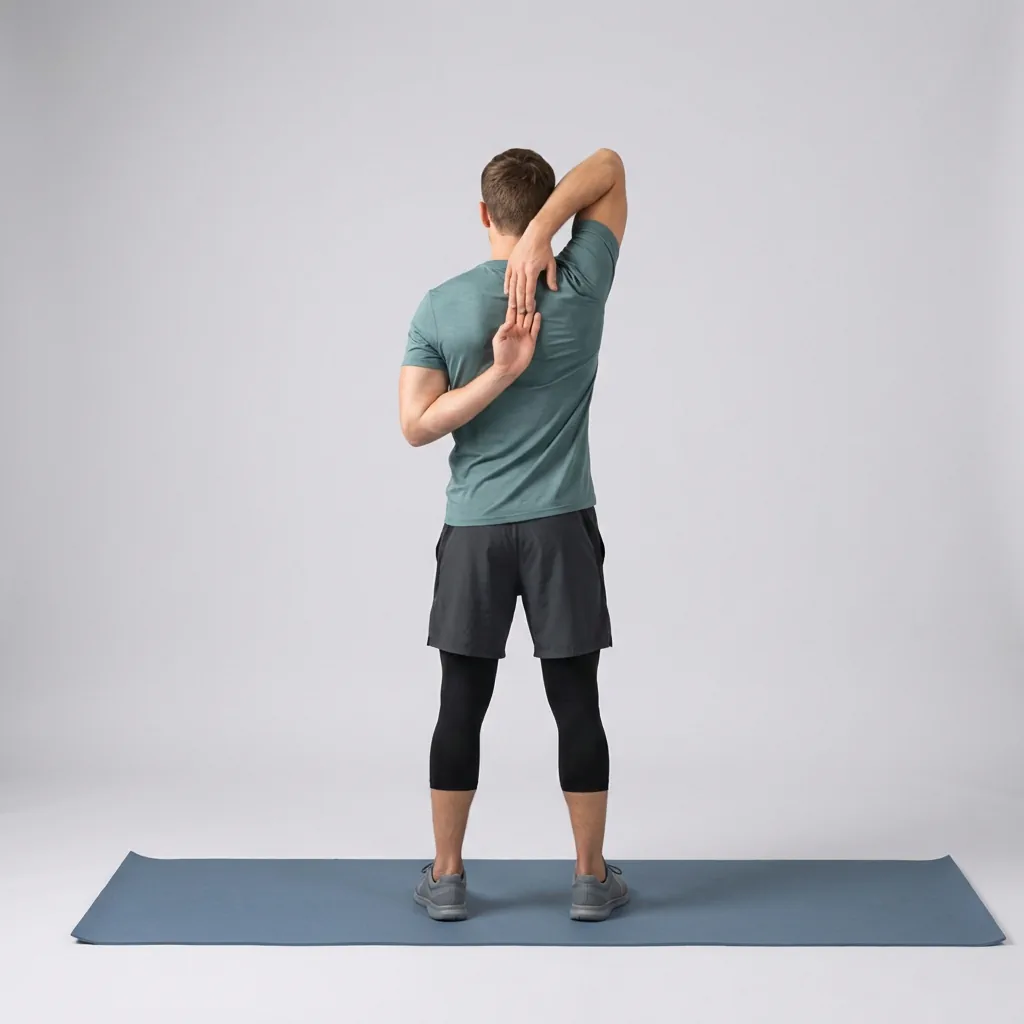
Warm-Up: Strength Session Primer
A 13-move full-body lift prep — squats, planks, hip openers, and mountain climbers waking the nervous system before heavy training.
-
-
-
-
-
- +8
-
-
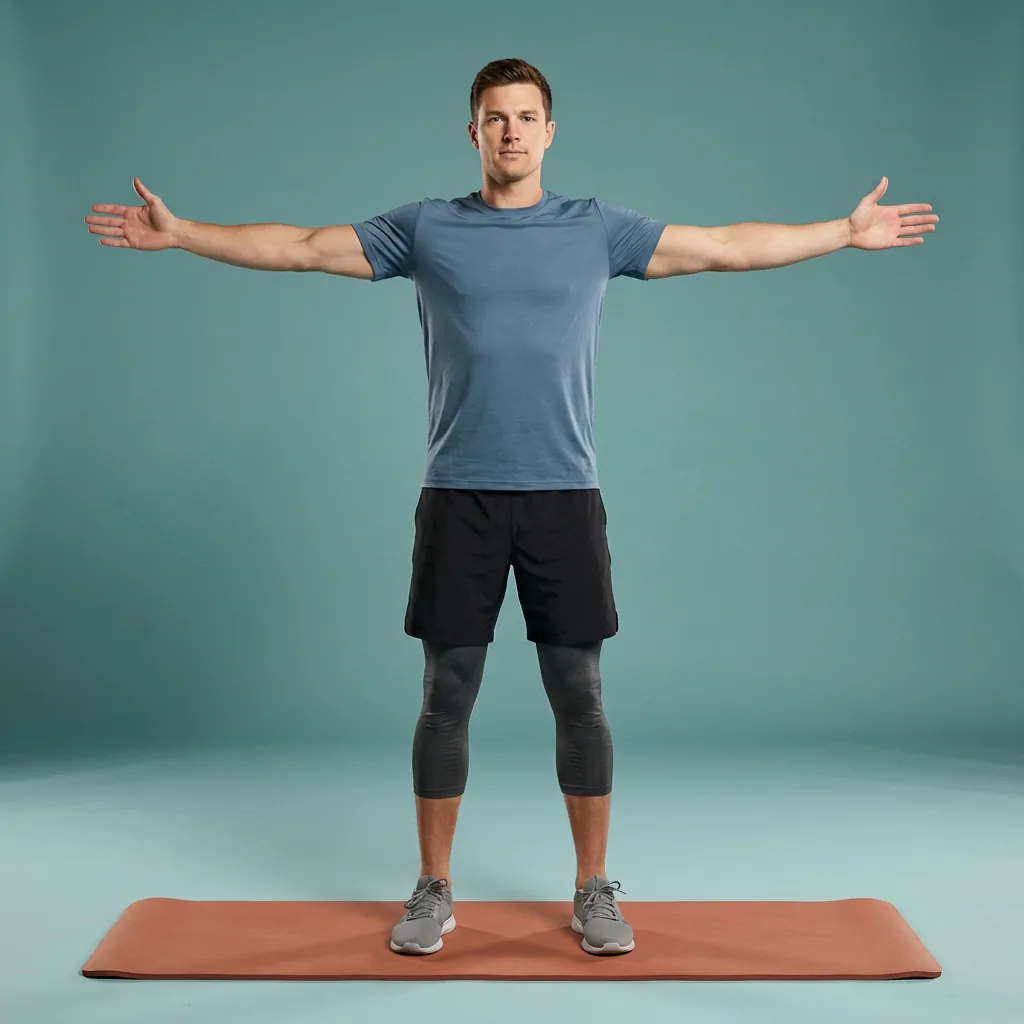 8 min Beginner
Warm-Up: Upper-Body Activation
An 8-move upper-body prep — neck circles, wall plank, and upward dog before pressing, pulling, or overhead work.
-
-
-

-
-
- +3
-
Explore related pages
Common questions
How long should a warm-up be before exercise?
A few minutes is usually enough for general training, with a slightly longer warm-up before intense or sport-specific sessions. The aim is to raise your temperature and move the joints you will use, not to tire yourself out. Flexor offers short warm-up routines at different durations, so you can pick one that fits before your main session and finish feeling ready rather than fatigued.
What is the difference between a warm-up and a cool-down?
A warm-up prepares you for activity using dynamic, progressively intense movement, while a cool-down helps you wind down afterwards with gentler mobility and calmer holds. They use different pacing on purpose. In Flexor you can start with a warm-up category routine before training and switch to a cool-down or recovery routine when you finish.
Do I need to warm up for a short workout?
Even a brief warm-up can help a short workout feel smoother, especially first thing in the morning or before anything explosive. If you are short on time, a two-to-three minute routine that moves your main joints is far better than none. Keep it comfortable, build intensity gradually, and stop if a movement feels sharp rather than just stiff.