
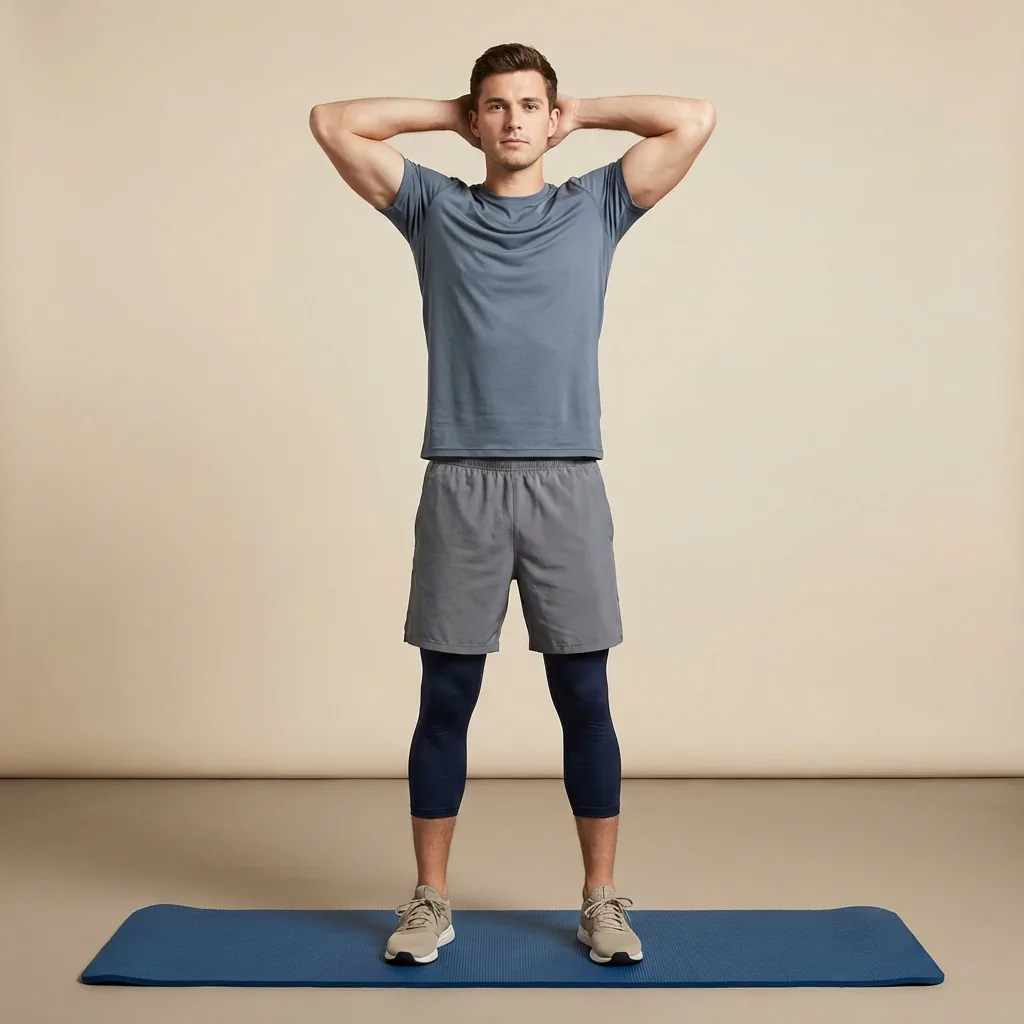
Routine categories
Posture routines to ease desk stiffness and move better.
Long hours at a desk often leave the upper back, chest and hips feeling stiff. Posture routines combine gentle mobility for tight areas with light strengthening for the muscles that help you hold a taller position. Flexor guides them so you can take a useful movement break without leaving your room.
About Posture
There is no single perfect posture
Comfortable posture is less about holding one ideal position and more about moving often and building the capacity to sit and stand with ease. Posture routines therefore open commonly tight areas—chest, upper back and hips—while adding light work for the muscles that support an upright position. The most useful habit is simply changing position and moving regularly.
Open tight areas, build endurance
A typical posture routine mobilises the thoracic spine, opens the chest and hips, and includes gentle strengthening for the upper back. Together these help sitting and standing feel less fatiguing. Flexor sequences the movements so you can follow along in a short break.
Best paired with movement breaks
Routines help most when combined with regular movement through the day. Standing up, walking and changing position often does as much as any single stretch. Flexor reminders can prompt short posture breaks so the habit sticks.
Move comfortably
Keep movements comfortable and combine them with regular movement breaks. This is general wellness guidance, not medical treatment; stop if anything causes pain or concerning symptoms.
Routines for Posture
-
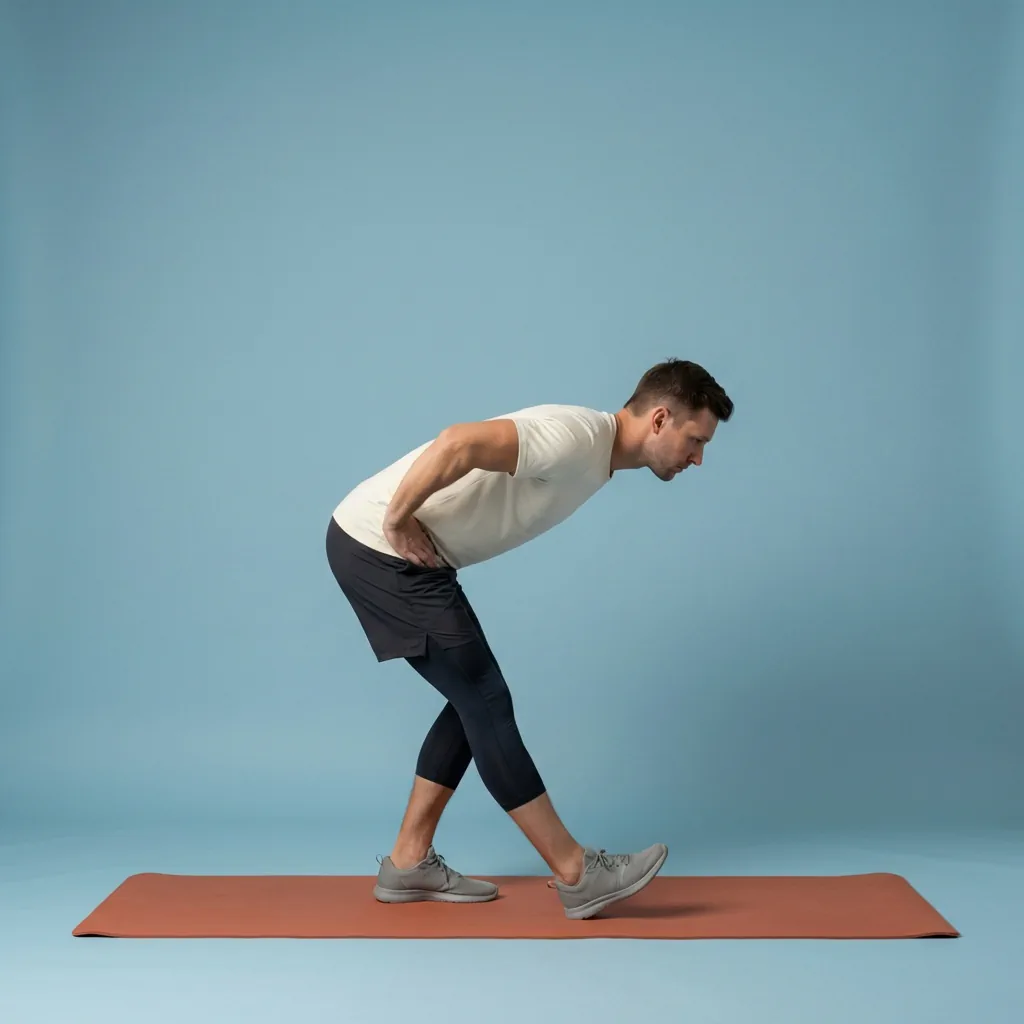 10 min Beginner
Anti-Sitting Routine
A 10-move desk-break counterbalance — chin retractions, figure four, and down-dog split reversing hip flexor and spinal strain from sitting.
-
-
-
-
-

- +5
-
-
 13 min Intermediate
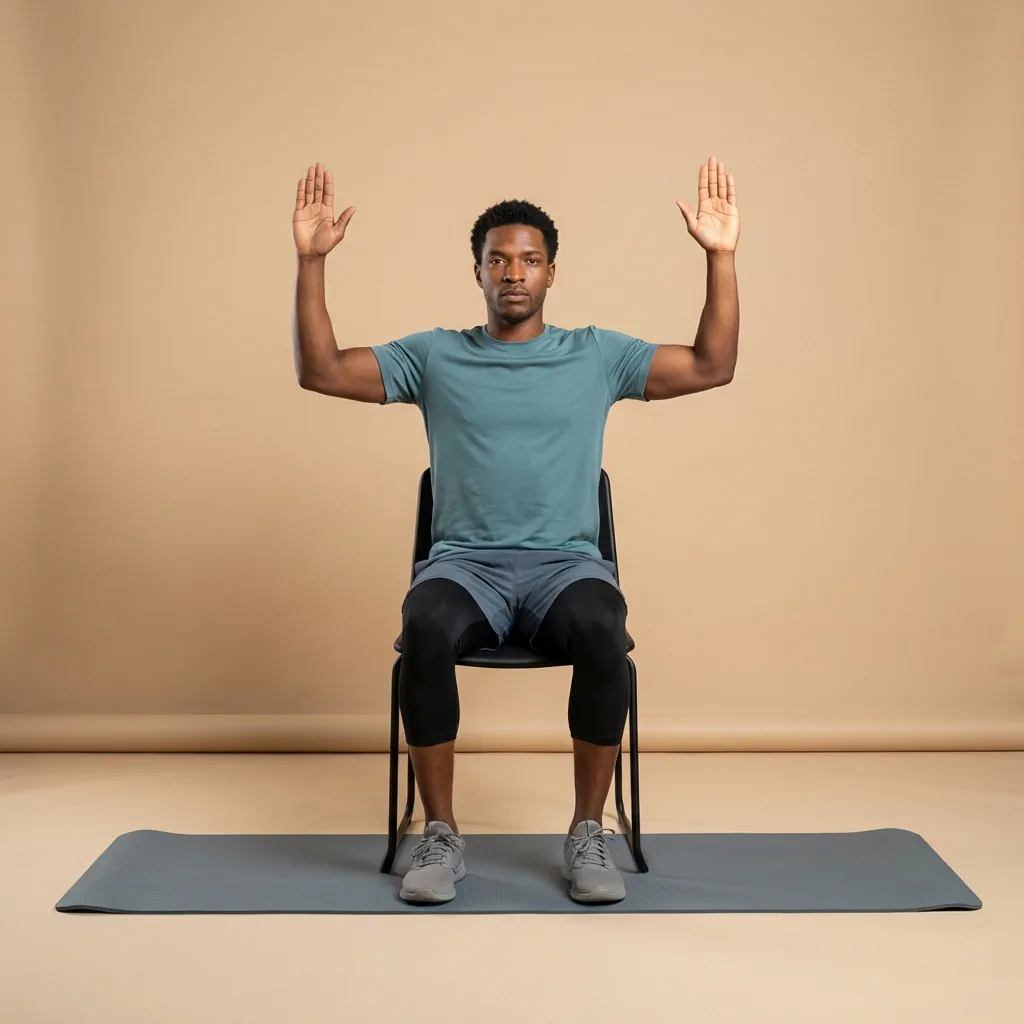
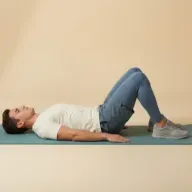
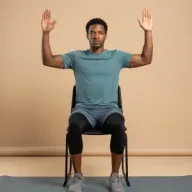
Desk Posture Reset
A desk-worker posture reset — chin retractions, bird dog, doorway pecs, and thread the needle to open the chest and reconnect core support.
-
-

-

-
-
- +9
-
-
 6 min Beginner
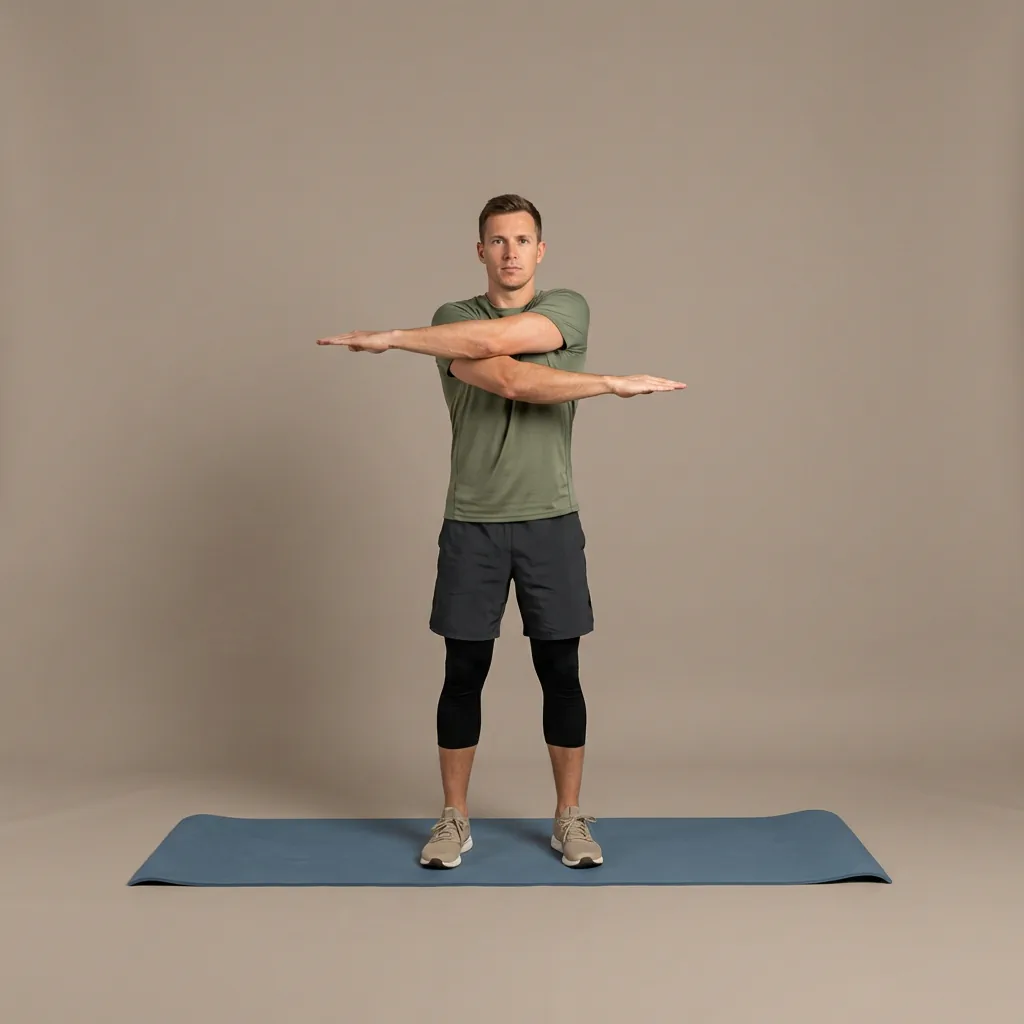
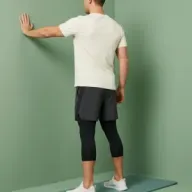
Quick Chest Opener
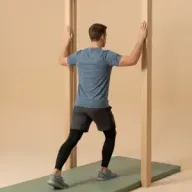
A 7-move chest burst — doorway pecs, cactus arms, and chest opener to reverse rounded shoulders and shallow breathing.
-
-
-

-

-
- +2
-
-
 10 min Beginner
Quick Desk Reset
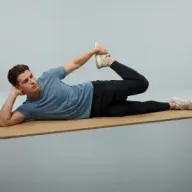
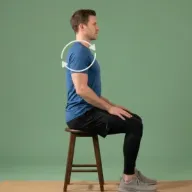
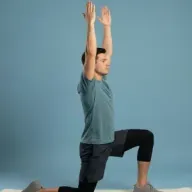
A 9-move desk break in under five minutes — chin retractions, hip openers, and seated twist to undo office slump.
-
-
-
-
-
- +4
-
-
 10 min Intermediate
Recovery: 9-5 Reset
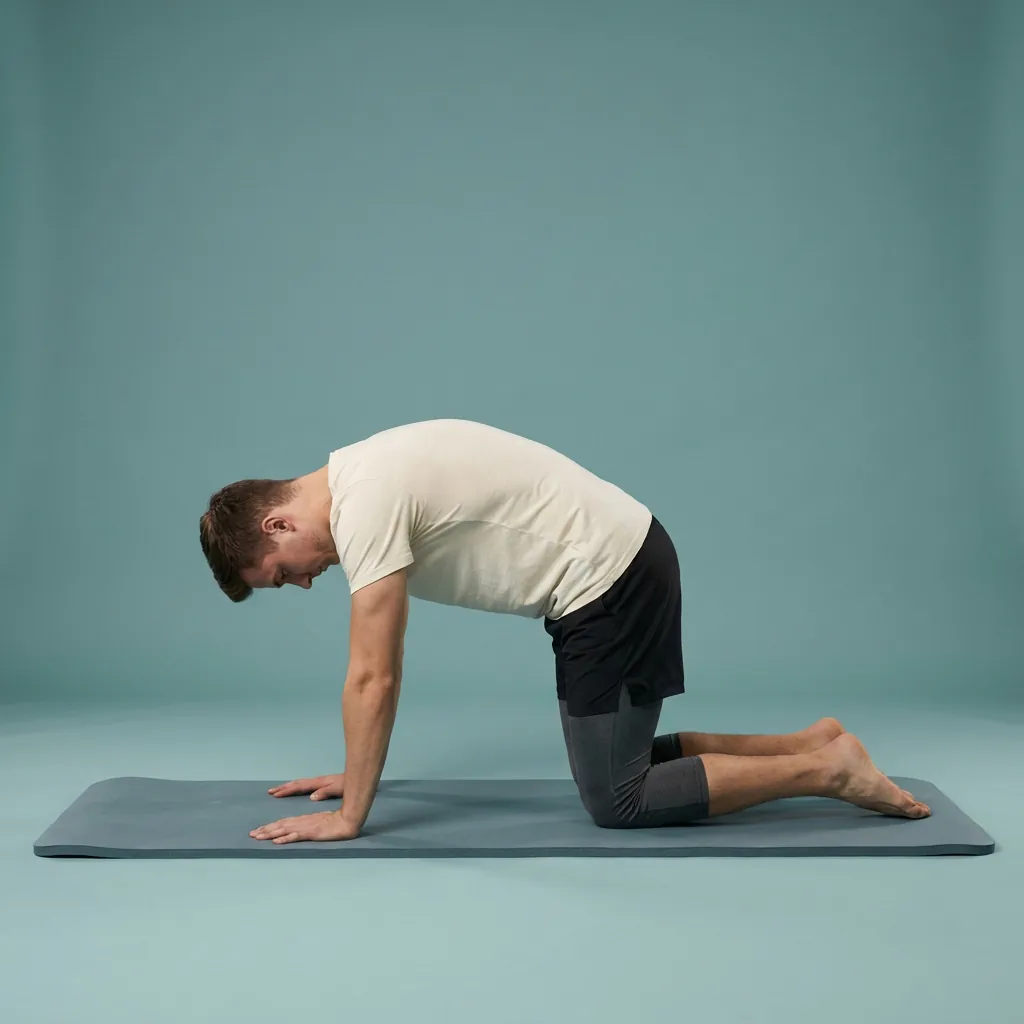
A 9-move desk recovery — couch stretch, kneeling psoas, and figure four opening locked hip flexors and waking dormant glutes.
-
-
-
-
-

- +4
-
-
 9 min Intermediate
The Chest Opener
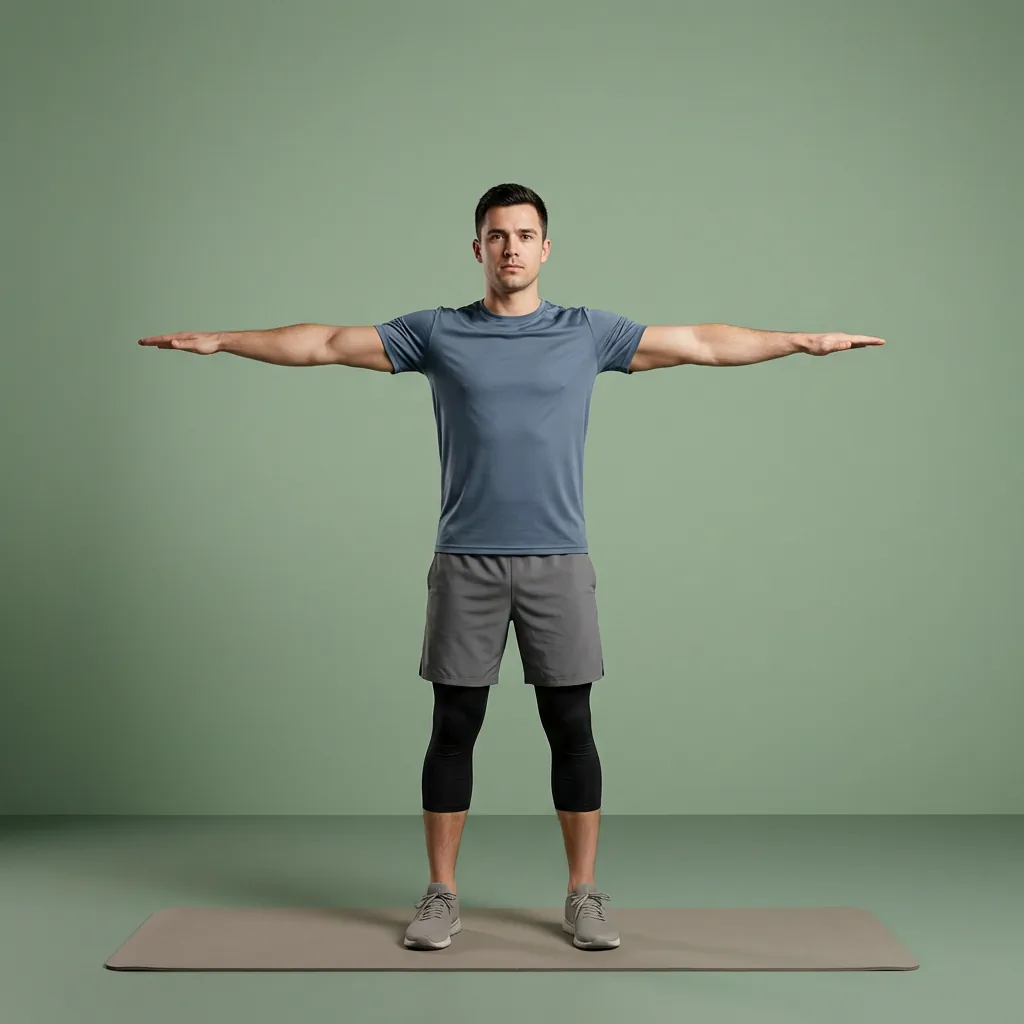
A 10-move pec and shoulder opener — doorway pecs, wall pecs, and chest opener to counter rounded-shoulder posture.
-
-

-
-
-
- +5
-
Explore related pages
Common questions
Can stretching fix my posture?
Posture routines can help commonly tight areas feel easier and build endurance for sitting and standing, but there is no single perfect posture to fix, and stretching alone is not a cure. The bigger win is moving regularly and changing position through the day. Use these routines as comfortable movement breaks, and see a qualified professional about persistent pain or specific concerns.
Which areas do posture routines focus on?
They typically target the upper back and thoracic spine, the chest, and the hips, since these are common sources of desk-related stiffness. Alongside gentle mobility for tight areas, posture routines often add light strengthening for the muscles that help you hold a taller position. Flexor organises the movements into short guided sessions so you can take a break at your desk.
How often should I do posture routines?
Short, frequent sessions tend to help more than occasional long ones, so a few minutes on most days is a sensible target, ideally combined with regular movement breaks. Keep every movement comfortable and unforced. If you have ongoing pain, numbness or a diagnosed condition, check with a qualified professional about what is appropriate before relying on general routines.