
Routine categories
Relaxation routines to unwind with gentle stretching.
Relaxation routines pair slow, comfortable stretches with steady breathing to help you settle. They are calm by design, so they suit the evening, a break in a busy day, or any moment you want to release everyday tension. Flexor guides the pacing and breathing cues so you can simply follow along.
About Relaxation
Calm movement and steady breathing
Relaxation routines keep everything gentle: slower stretches, longer comfortable holds, and breathing you can settle into. The point is to feel calmer and looser, not to work hard. Many people use them to close the day or to take a genuine pause from screens and tasks.
When to use a relaxation routine
They fit the evening wind-down, a mid-day reset, or any time tension has crept in. Because intensity is low, you can use them often. If your goal is post-exercise wind-down specifically, the Cool Down category may fit better; for rest-day movement, try Recovery.
General wellbeing, not treatment
Gentle movement and breathing can feel soothing, but relaxation routines are general wellness content, not a treatment for stress, anxiety or any medical condition. Use them as a pleasant habit, and seek professional support for persistent difficulties.
Move comfortably
Keep everything slow and comfortable and let the breathing set the pace. This is general wellness content, not medical treatment; seek professional support for persistent stress or health concerns.
Routines for Relaxation
-
 12 min Intermediate
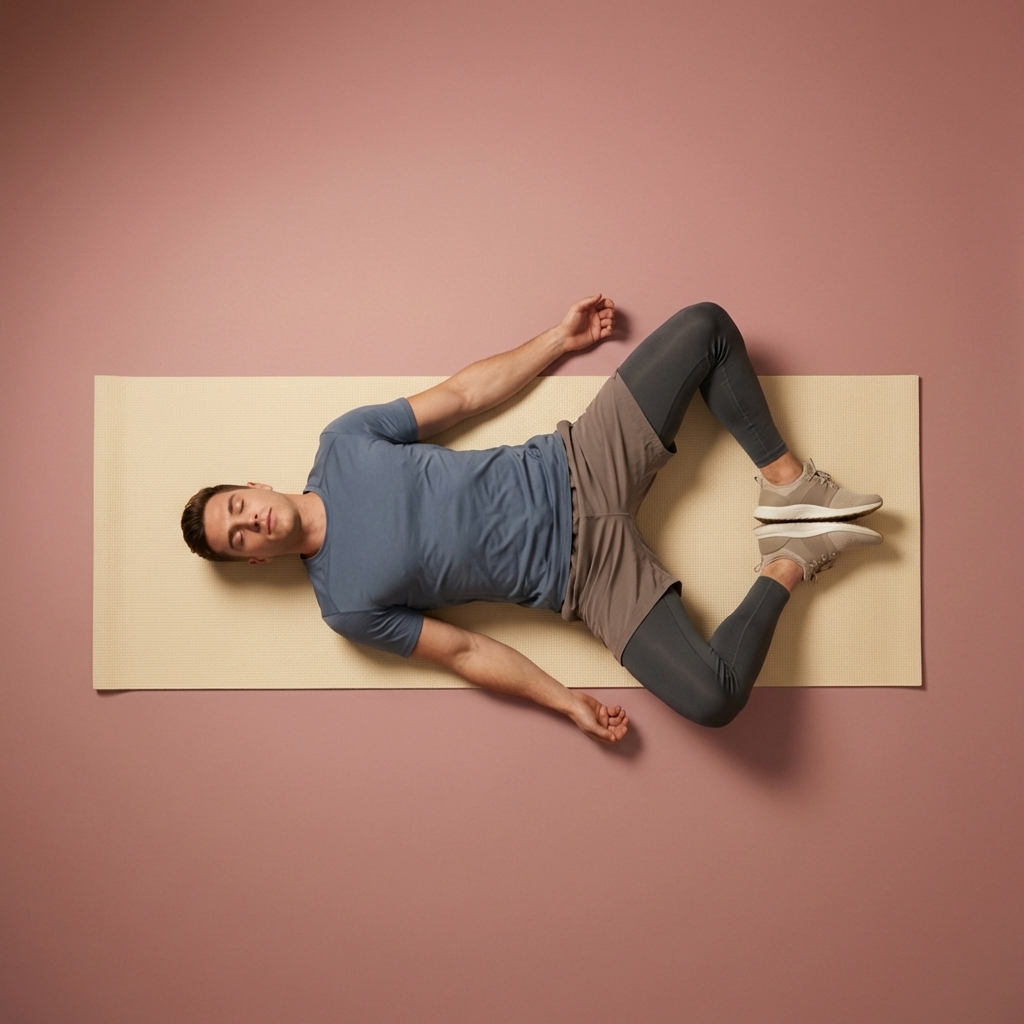
Drift to Sleep
A floor-based bedtime sequence — figure four, reclined butterfly, and legs-up-wall with long holds to downshift before sleep.
-
-

-
-
-
- +4
-
-
 8 min Intermediate
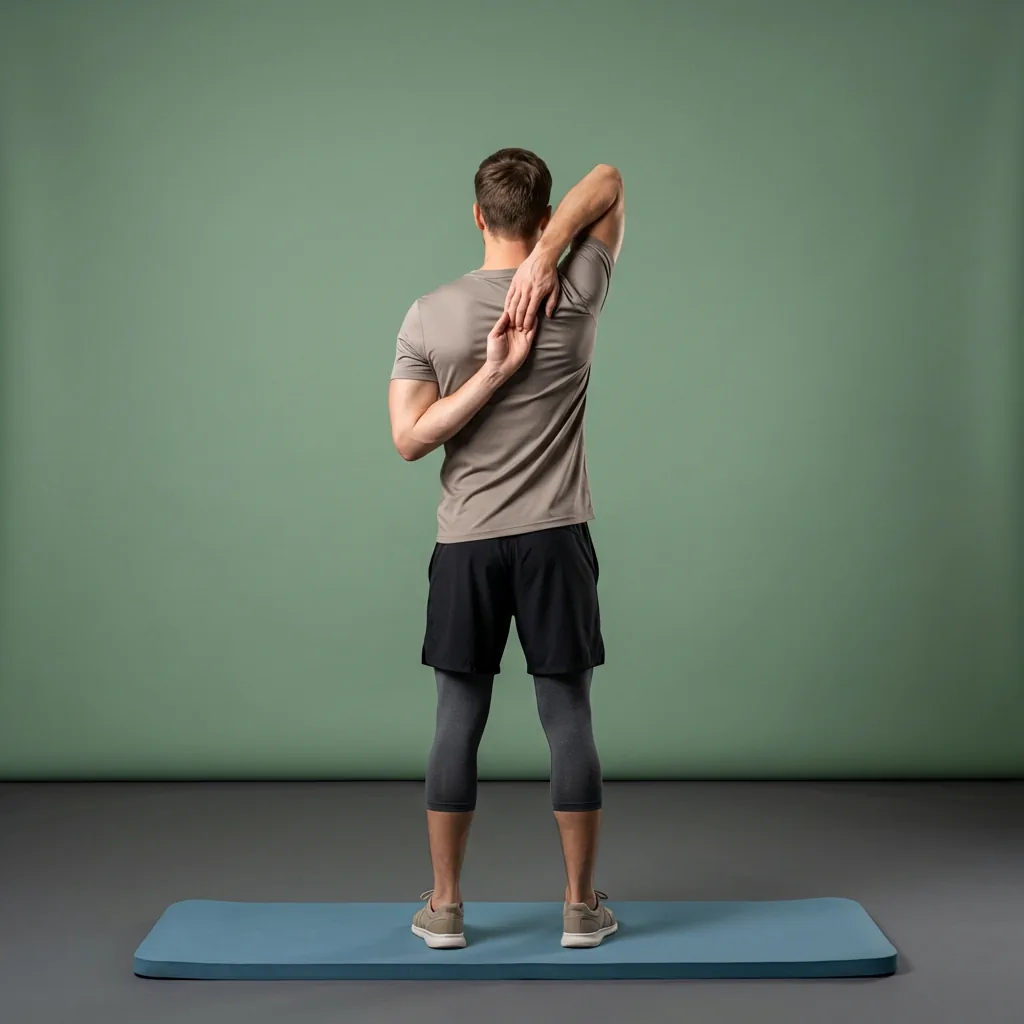
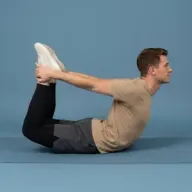
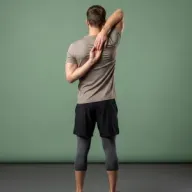
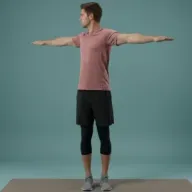
Evening Mobility Unwind
An 8-move evening unwind with chest flys, trunk twist, cow face, frog pose, and plow for a slower pre-bed mobility downshift.
-
-
-

-
-
- +3
-
-
 6 min Beginner
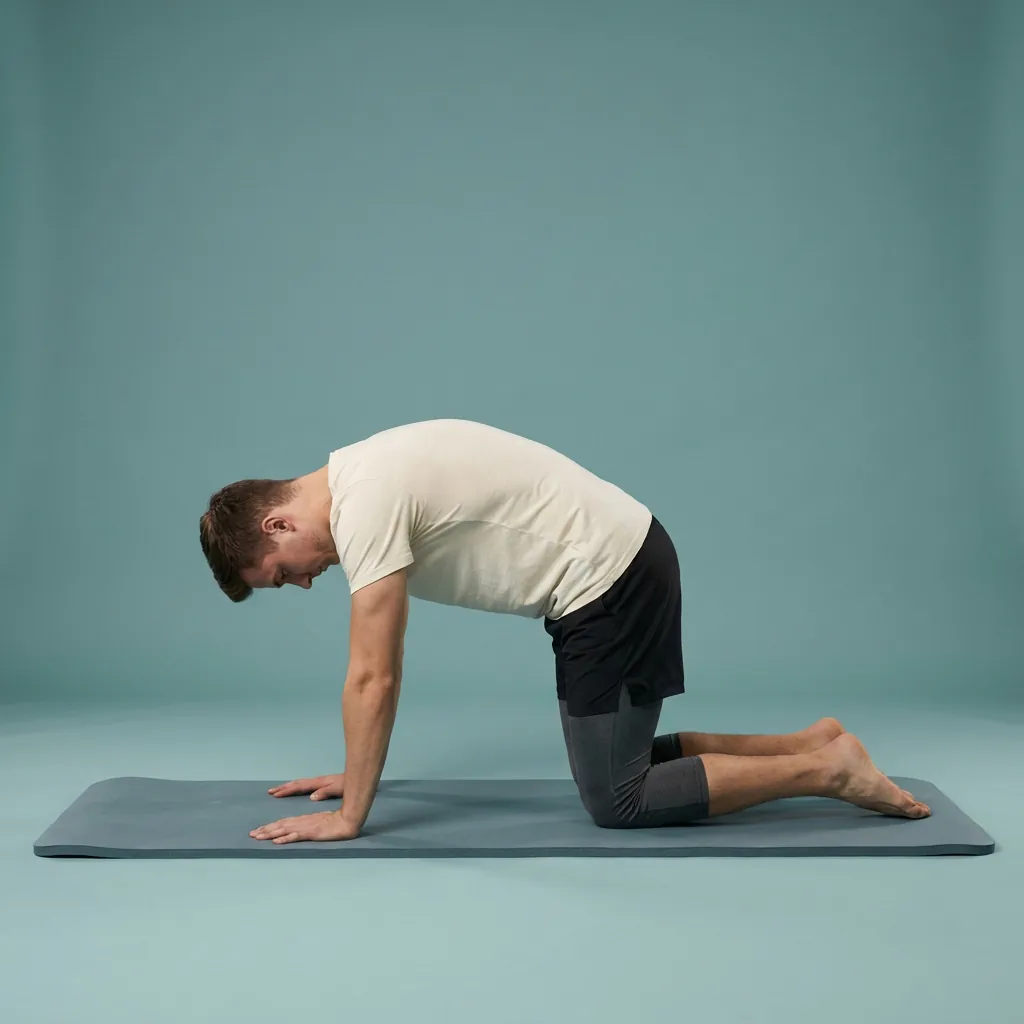
Fasting-Friendly Ease Level 1
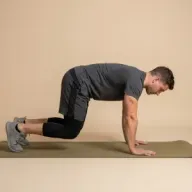
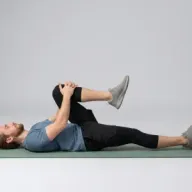
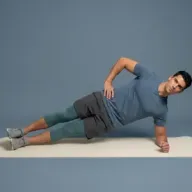
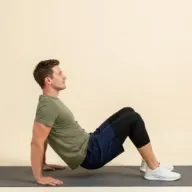
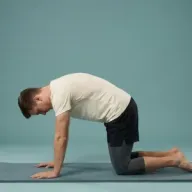
A 7-move fasting-friendly ease flow for spine, hips, and core with cat-cow, baby cobra, bulldog, light holds, and child's pose.
-
-
-
-
-
- +2
-
-
9 min Intermediate
Fasting-Friendly Ease Level 2
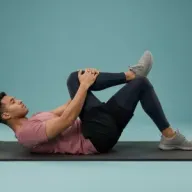
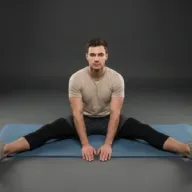
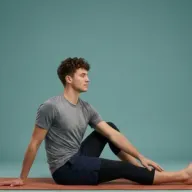
A 9-move fasting-friendly stretch for hips, spine, and hamstrings with cat-cow, butterfly, spinal twist, upward frog, seated straddle, and puppy pose.
-
-
-
-
-
- +4
-
-
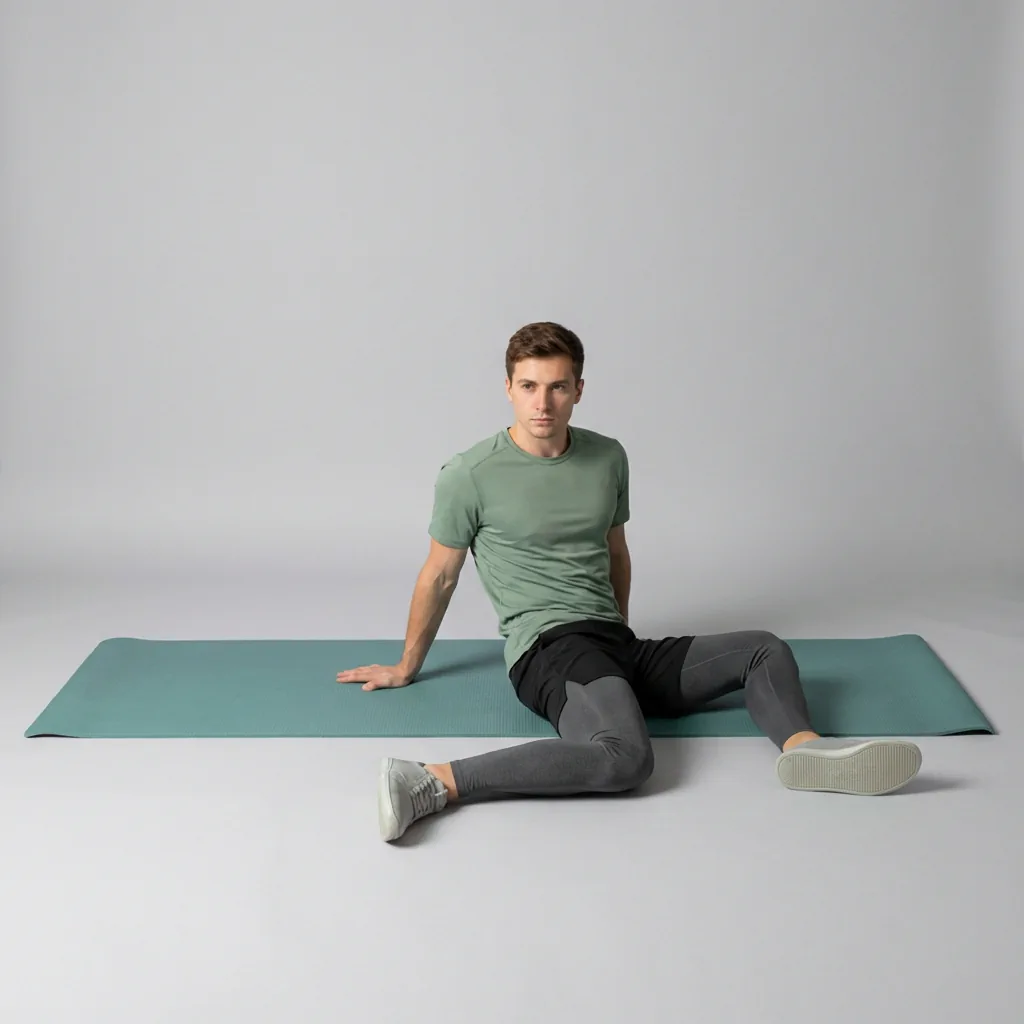 10 min Intermediate
Fasting-Friendly Ease Level 3
Level 3 fasting flow — 10 intermediate moves including 90/90 hip switch and downward dog at low physical exertion.
-
-
-
-
-
- +5
-
-
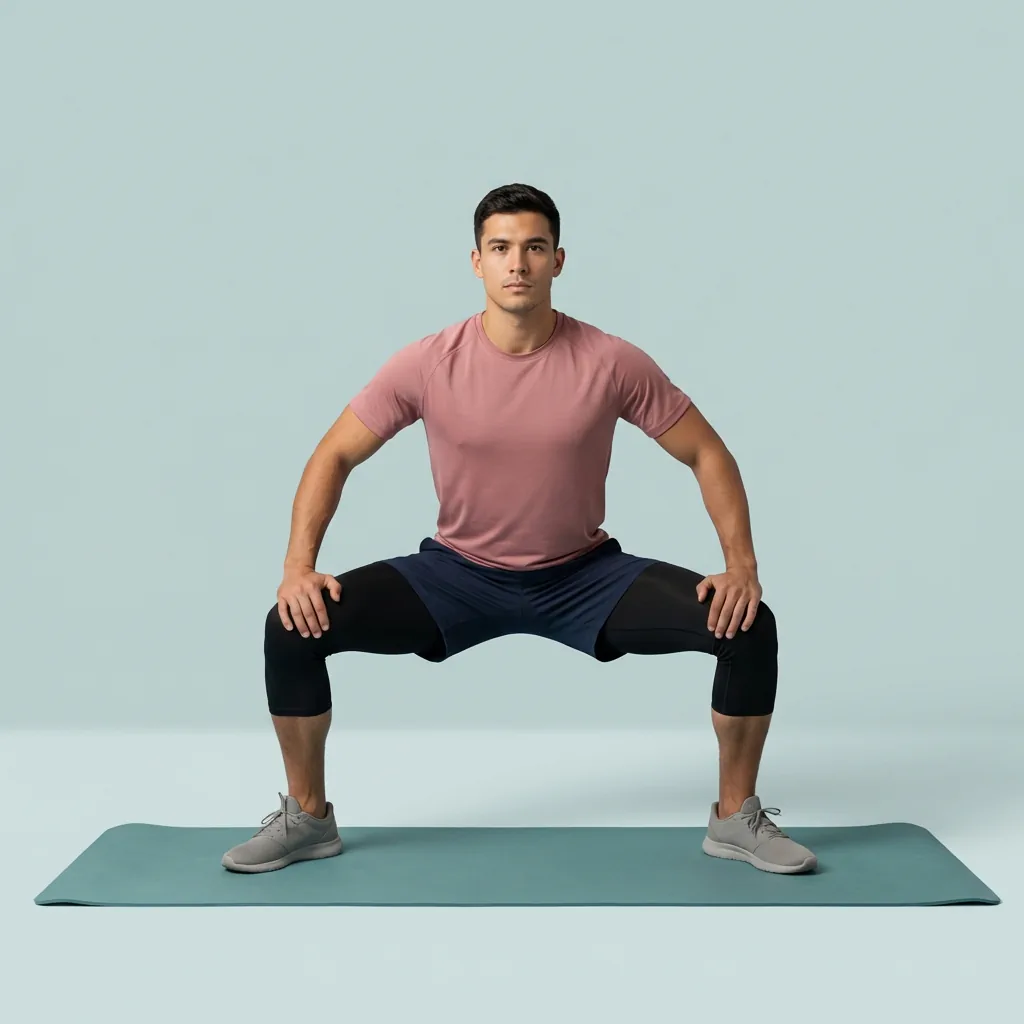 6 min Intermediate
Hotel Room Decompress
A 7-move hotel-room unwinding flow with neck flex, upward salute, humble warrior, lateral lunge hold, and standing frog.
-
-
-

-

-
- +2
-
-
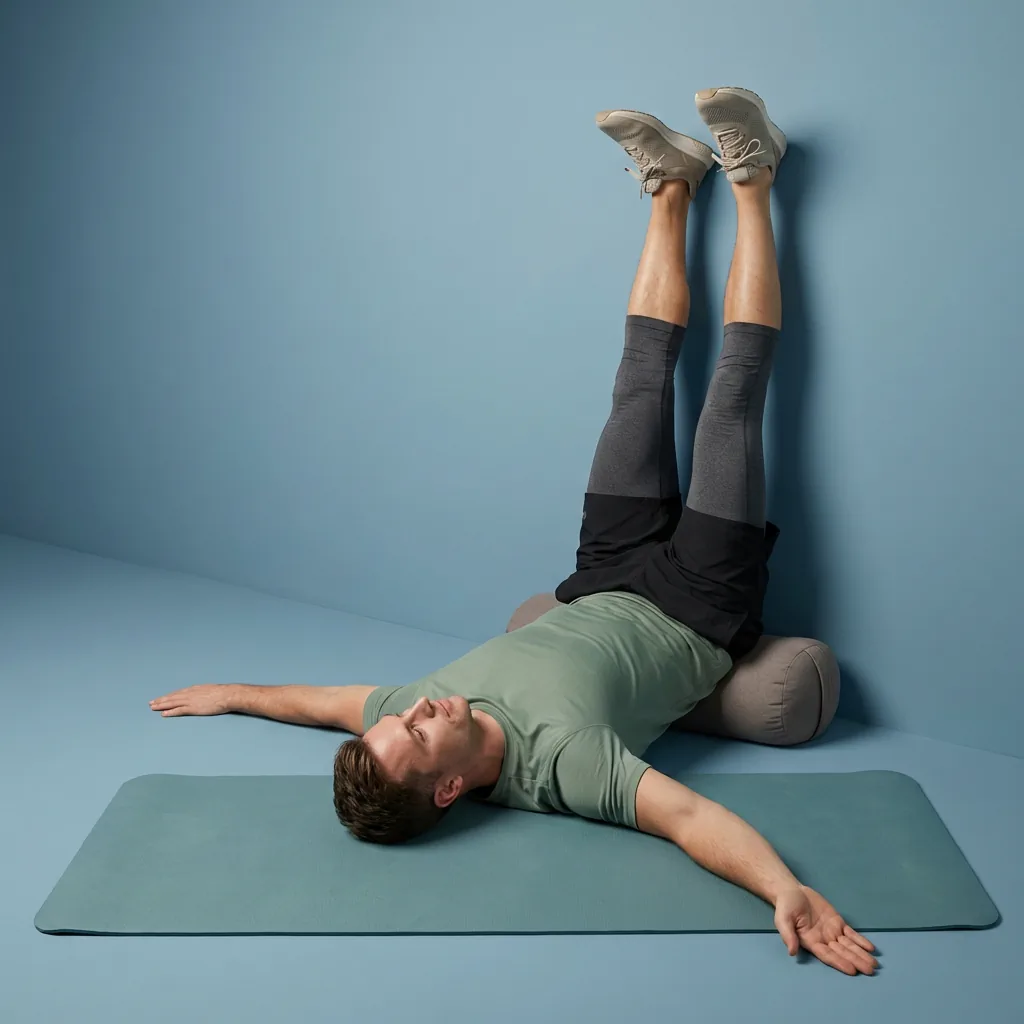 11 min Beginner
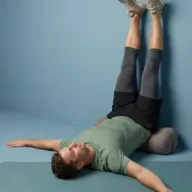
Lower-Back Comfort Reset
A gentle 9-move lumbar reset — cat-cow, knees-to-chest, and legs-up-wall using traction and mild flexion-extension.
-
-
-
-
-
- +4
-
-
 10 min Beginner
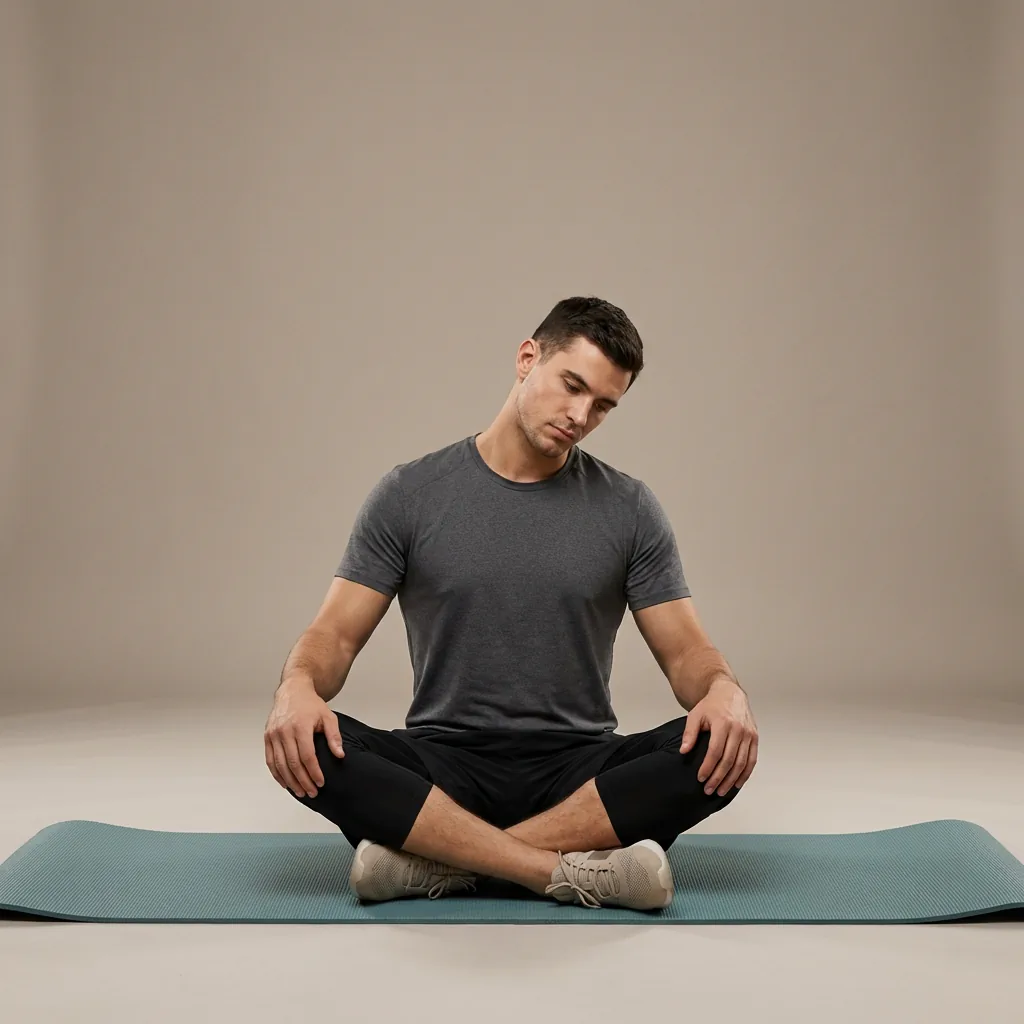
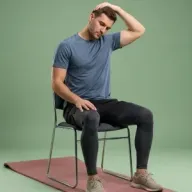
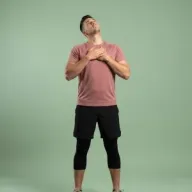
Neck and Upper-Body Ease
A gentle neck, shoulder, and upper-back routine for comfortable movement after screen time, travel, or a busy day.
-
-
-

-
-
- +5
-
-
11 min Intermediate
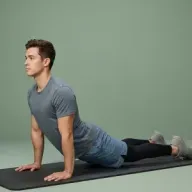
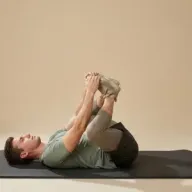
Post-Commute Flow
A 10-move post-drive unwind — corner pecs stretch, 90/90 hip switch, and legs-up-wall for commute-built shoulder and hip tension.
-
-
-
-
-
- +5
-
-
 10 min Intermediate
Recovery: Breath and Reset
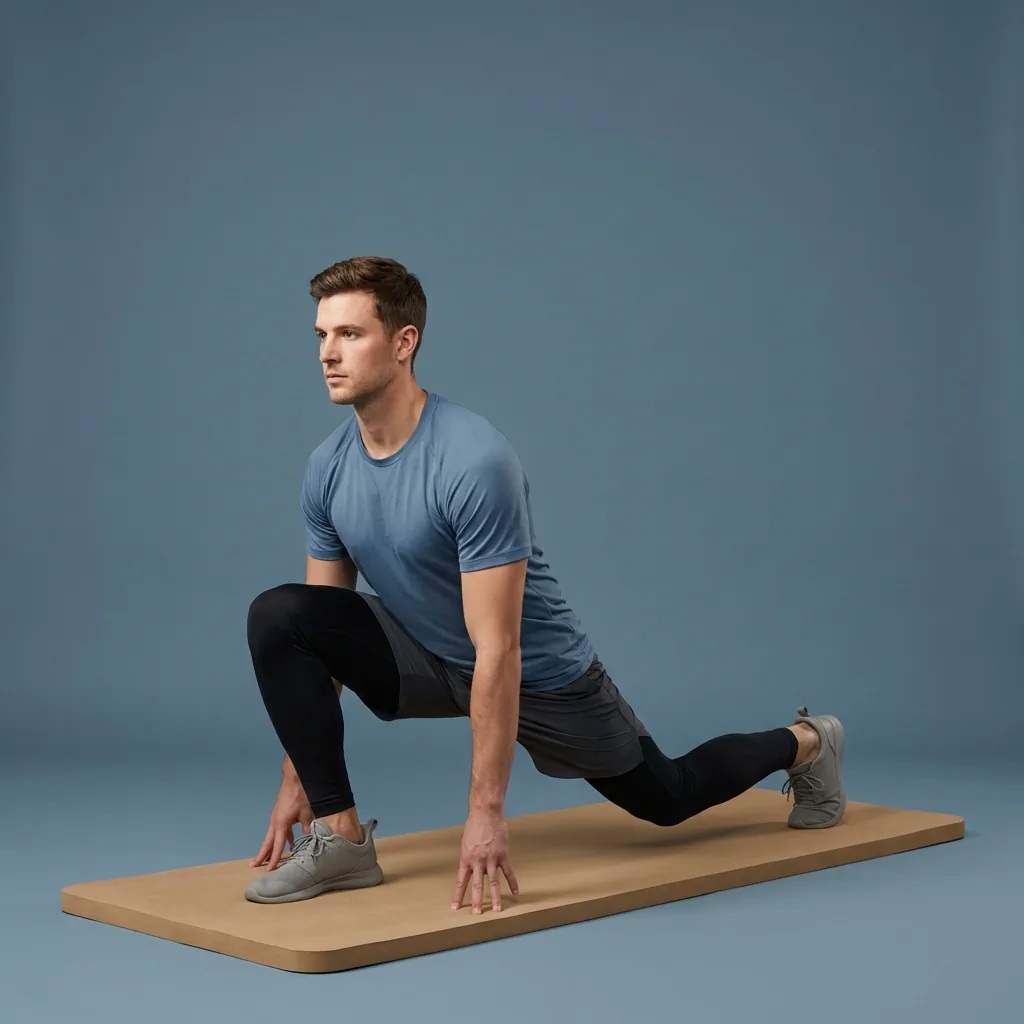
A 10-move breath-led recovery reset for chest, spine, and hips with doorway pecs, 90-90, couch stretch, cobra, camel, and puppy pose.
-
-
-
-
-
- +5
-
-
 22 min Intermediate
Weekend Reset Flow
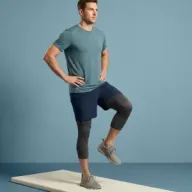
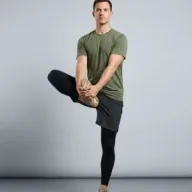
A 22-move weekend reset from upward salute and neck rotation through hip openers, dead bug, 90-90 switch, and child's pose.
-
-
-
-
-
- +17
-
Explore related pages
Common questions
When is the best time for a relaxation routine?
Any time you want to feel calmer works, though many people favour the evening as a wind-down or a mid-day pause from screens and tasks. Because the movement is gentle and low intensity, you can use these routines often. Keep the stretches comfortable, follow the breathing cues at your own pace, and stop if anything feels sharp rather than soothing.
Can relaxation routines help with stress?
Gentle stretching and steady breathing can feel soothing and are a pleasant way to pause, but these routines are general wellness content, not a treatment for stress, anxiety or any medical condition. Treat them as a calming habit rather than therapy. If stress, low mood or sleep problems are persistent or affecting your life, please speak with a qualified professional.
How are relaxation routines different from recovery?
Relaxation routines focus on calm and unwinding, pairing gentle stretches with breathing, while recovery routines are low-intensity movement aimed at rest days between training. They overlap and both stay comfortable. Choose Relaxation when the goal is to settle and de-stress, and Recovery when you mainly want easy movement after or between workouts. Flexor keeps both as distinct categories.