
Routine categories
Cool-down routines to help you wind down after exercise.
A cool-down eases you out of a workout with gentler movement and calmer, longer holds. The goal is to downshift, move the areas you have just worked through a comfortable range, and let your breathing settle. Flexor cool-downs are guided and timed so you can follow along without thinking about what comes next.
About Cool Down
What a cool-down is for
After training, a few minutes of calmer movement helps you transition from effort to rest. Cool-down routines favour slower stretches and easy mobility over intense work, often paired with steadier breathing. They are a pleasant way to close a session and a natural cue that the workout is finished.
Match the cool-down to what you trained
After a run, a cool-down often focuses on the calves, hamstrings and hips; after upper-body work, on the chest, shoulders and upper back. Flexor offers cool-down routines organised by focus so you can gently move the areas you just loaded rather than a generic sequence.
Cool-down versus recovery days
A cool-down is the short wind-down at the end of a session. On a full rest day, a longer recovery or relaxation routine may suit you better. Both keep you moving comfortably; the difference is timing and intensity, and Flexor has dedicated categories for each.
Move comfortably
Keep holds comfortable and breathe steadily rather than forcing range. This is general wellness movement, not medical treatment; stop if a stretch causes pain or concerning symptoms.
Routines for Cool Down
-
 8 min Beginner
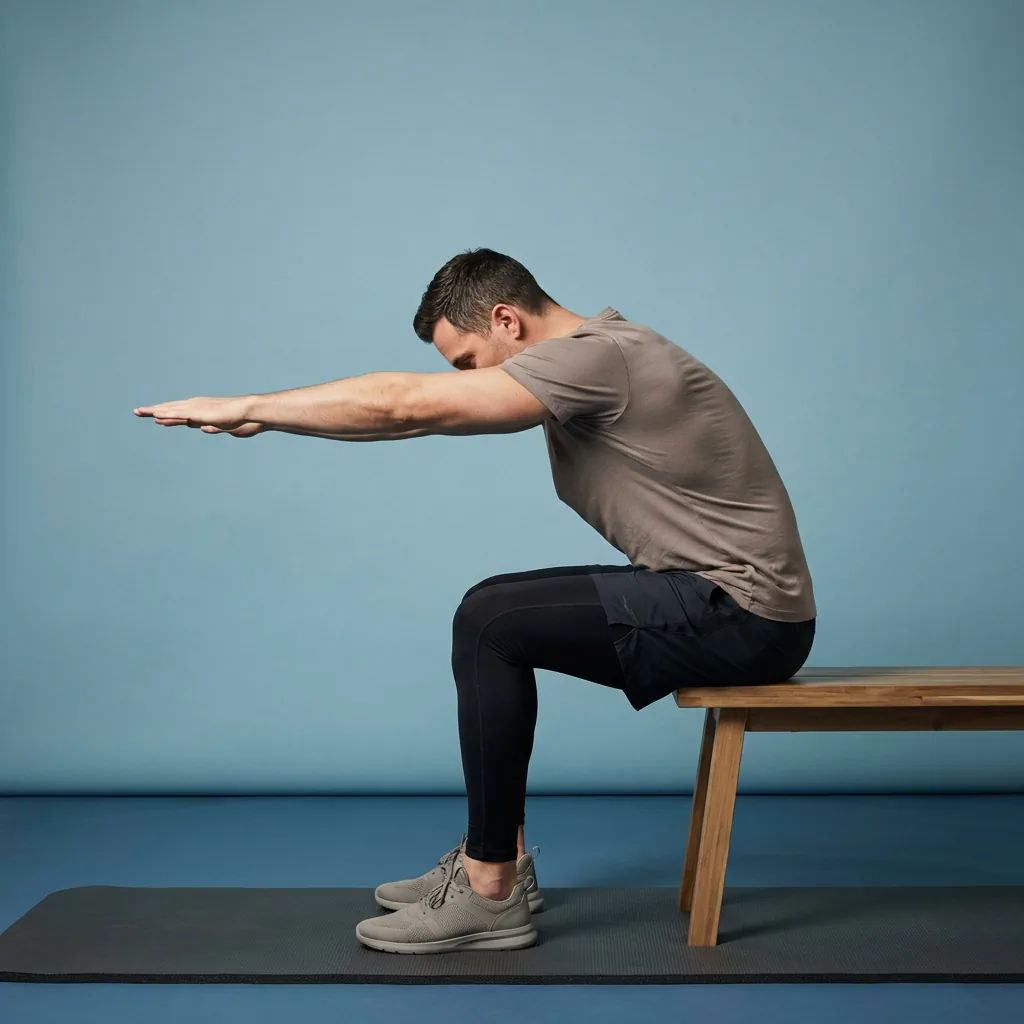
Cool-Down: Back and Shoulders
An 8-move post-training back release — thread the needle, spinal twist, and cobra to settle the spine and open shoulders.
-
-
-
-
-
- +3
-
-
 11 min Intermediate
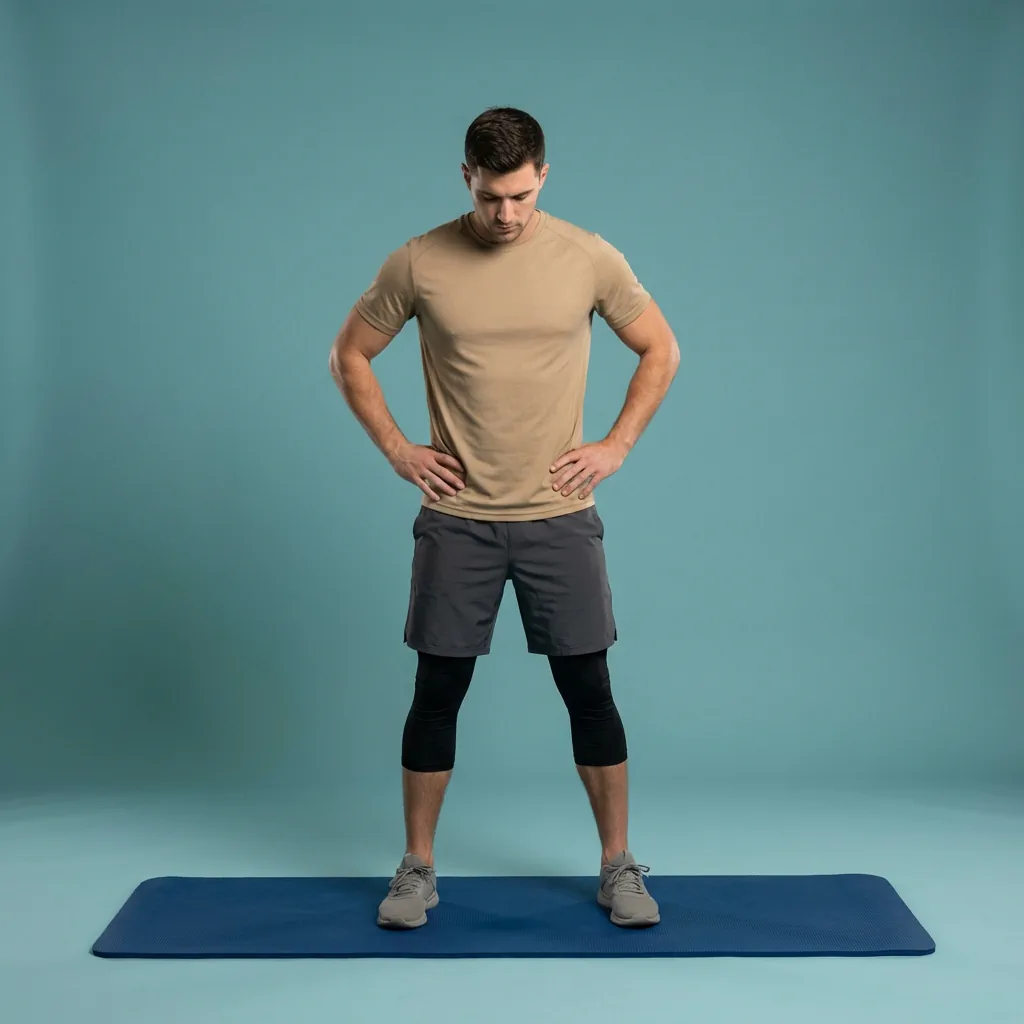
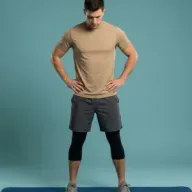
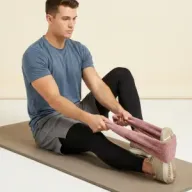
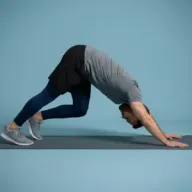
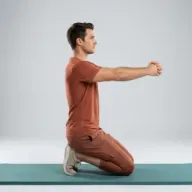
Cool-Down: Calves and Feet
A 9-move lower-leg release — soleus stretch, toe squat, and legs-up-wall for calves, ankles, and plantar fascia after impact.
-
-
-
-
-
- +4
-
-
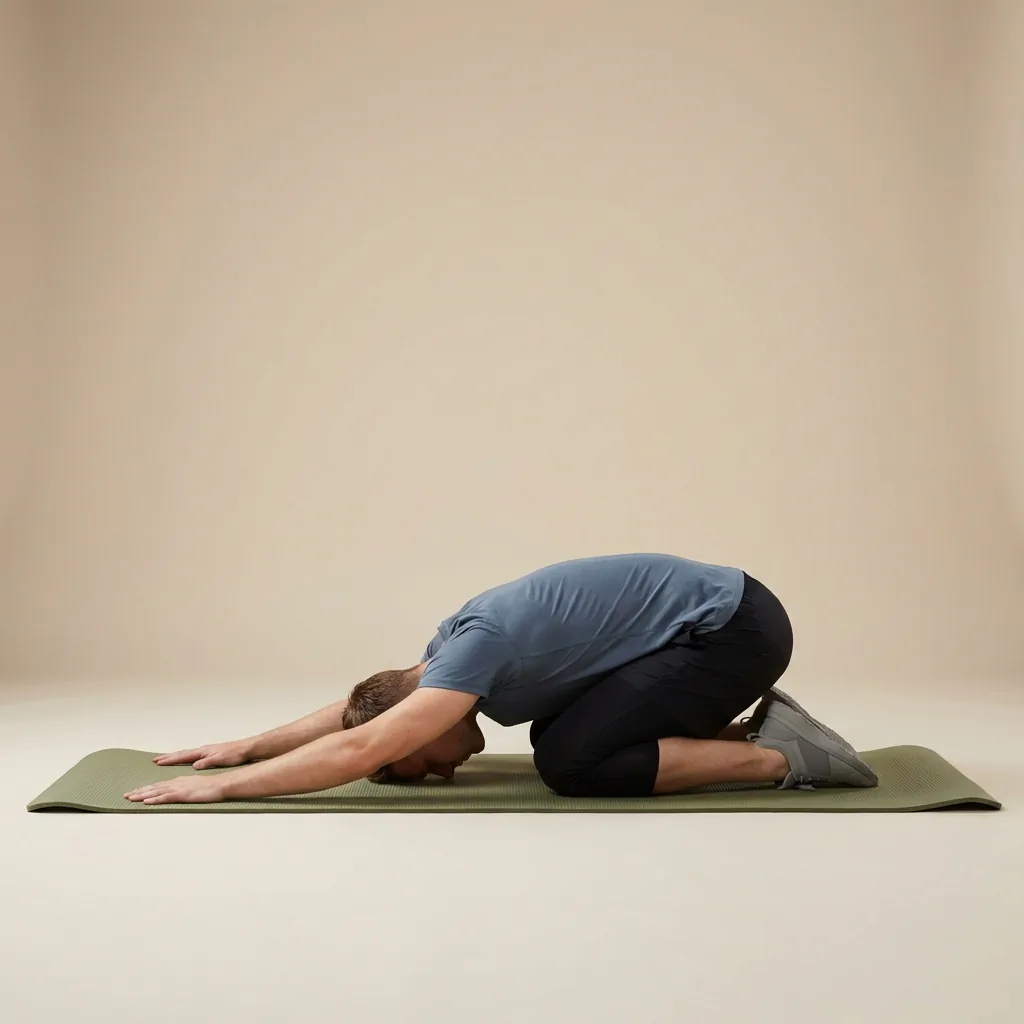 13 min Intermediate
Cool-Down: Full-Body Release
A 13-move head-to-toe cool-down — butterfly, rag doll, spinal twist, and child's pose with timed holds after any session.
-
-
-
-
-
- +8
-
-
 9 min Advanced
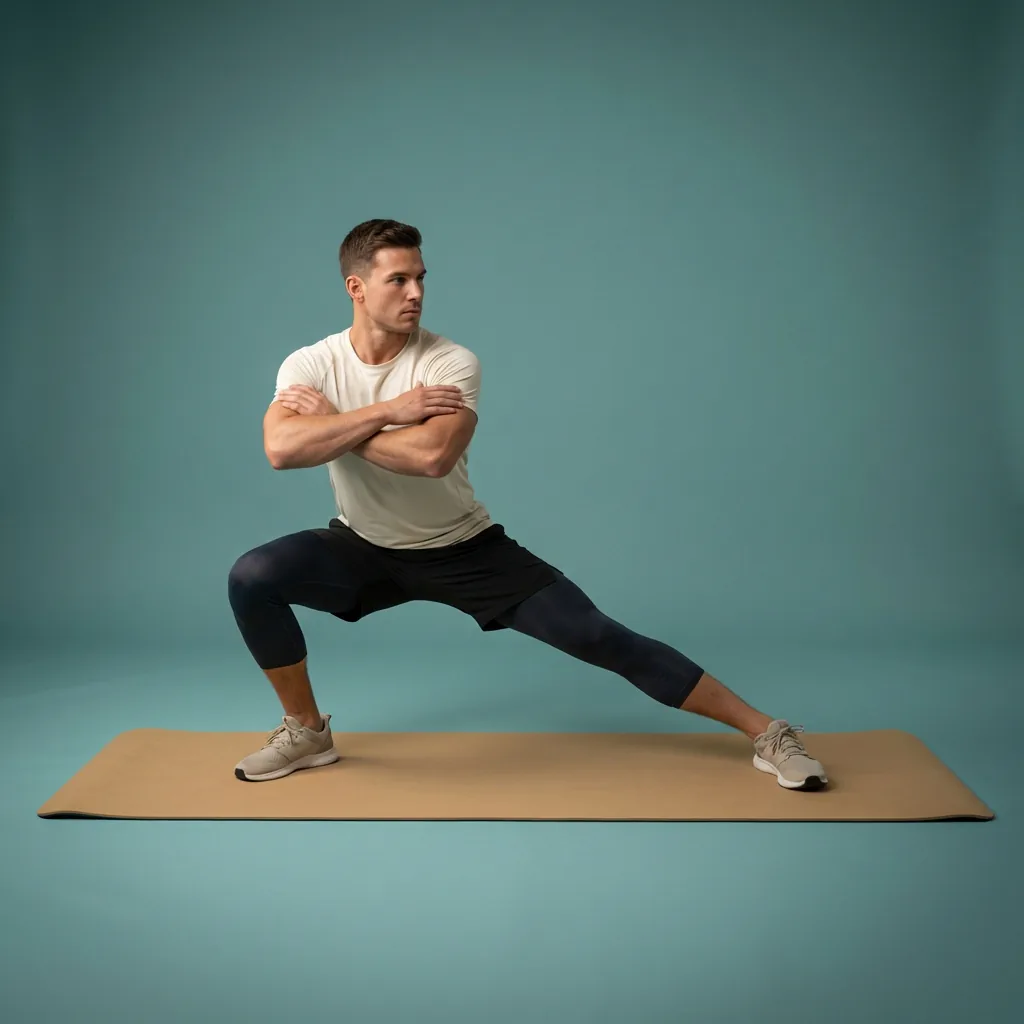
Cool-Down: Hip Flexor Unwind
An 8-move advanced hip flexor cool-down — couch stretch, lizard pose, and pancake for psoas length after hard training.
-
-
-
-
-

- +3
-
-
 10 min Beginner
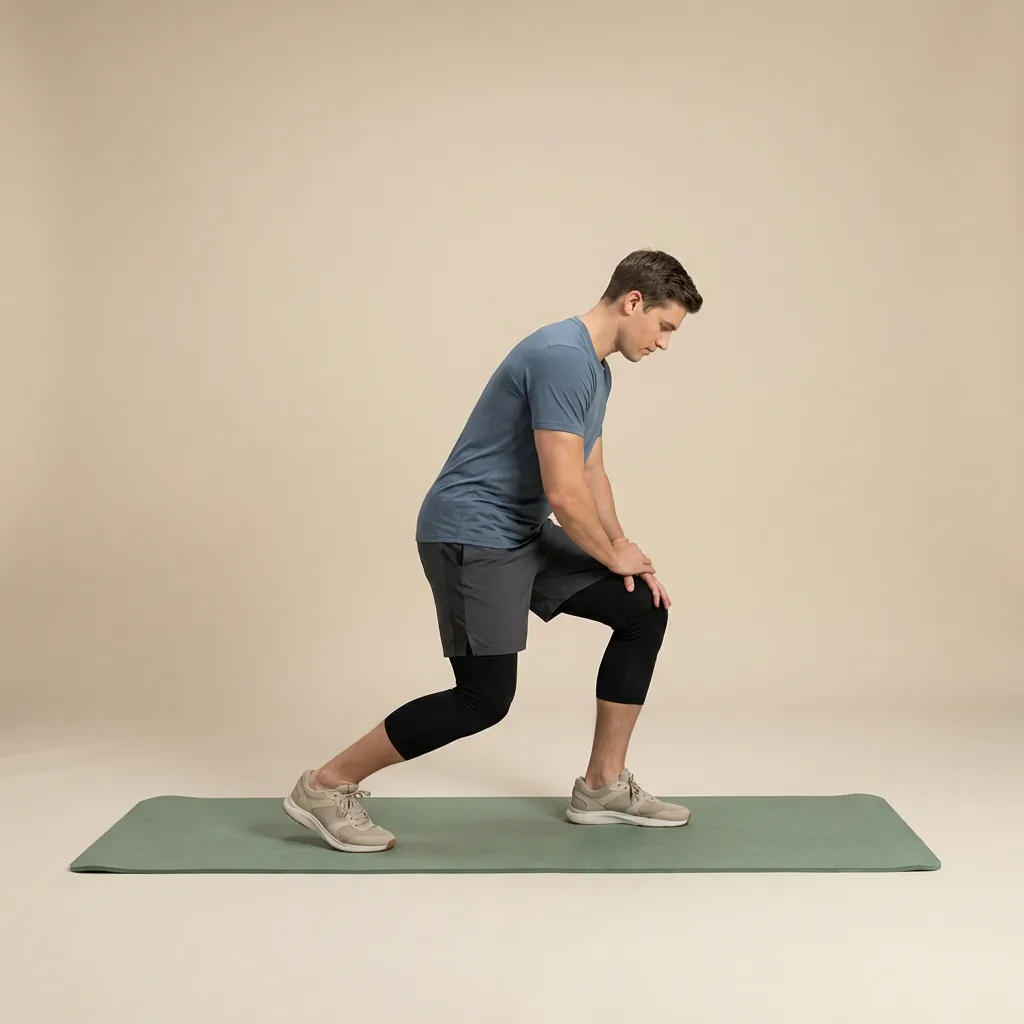
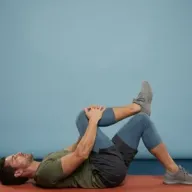
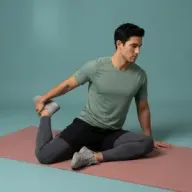
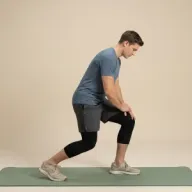
Cool-Down: Legs and Hips
A 9-move leg-day cool-down — butterfly, figure four, quad stretch, and soleus stretch with gentle passive holds.
-
-
-
-
-
- +4
-
-
 11 min Beginner
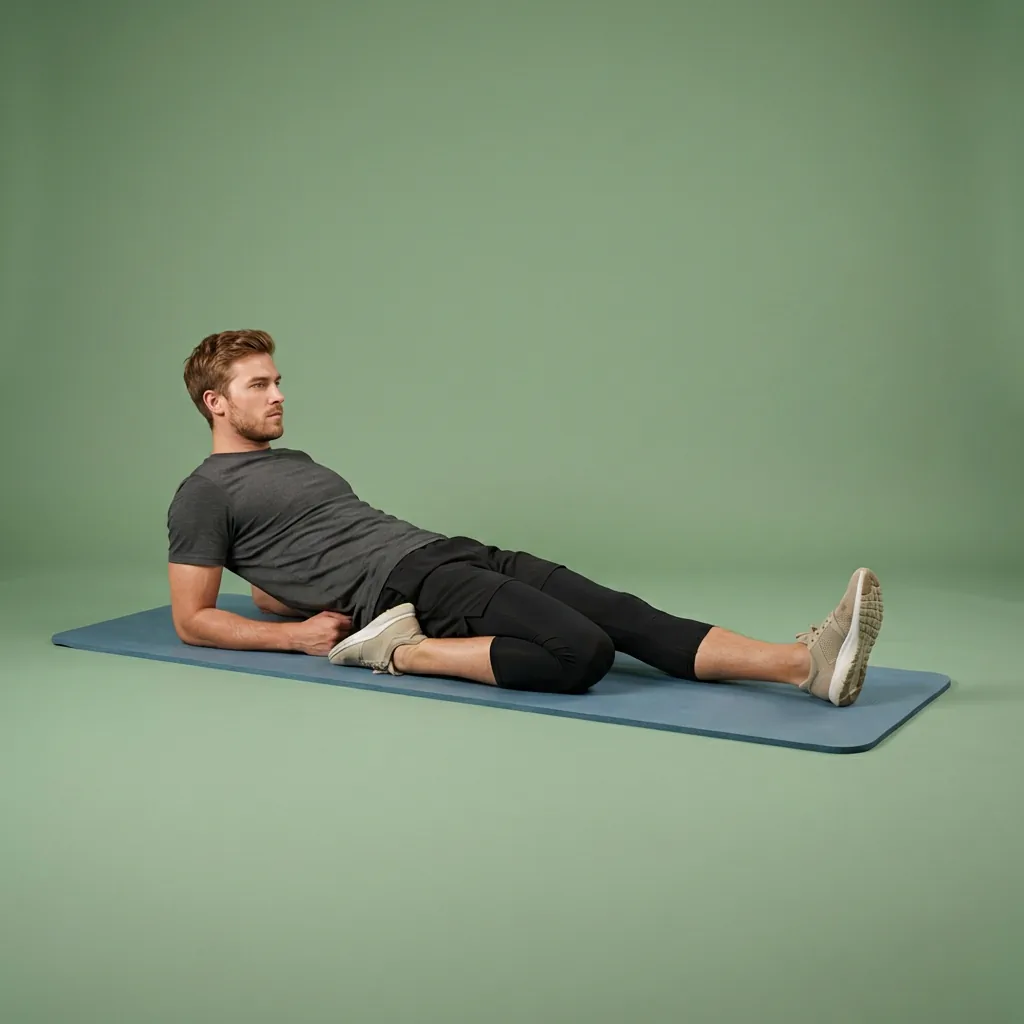
Cool-Down: Post-Run Stretch
An 11-move runner's cool-down — hip flexor stretch, calf stretches, and figure four targeting calves, IT band area, and hamstrings.
-
-
-
-
-
- +6
-
-
 14 min Intermediate
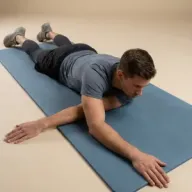
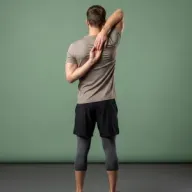
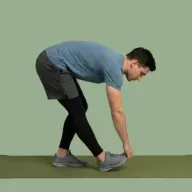
Cool-Down: Post-Strength Stretch
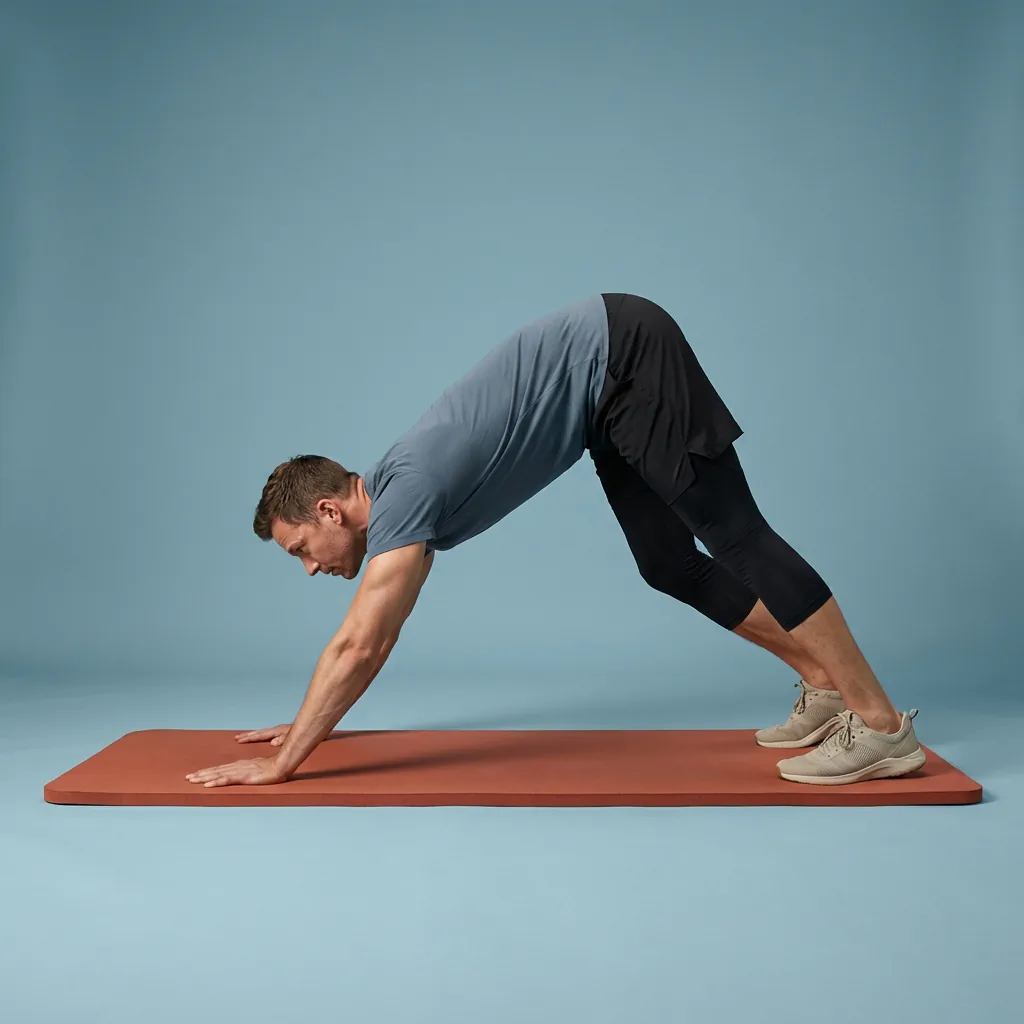
A 13-move post-lift stretch — long holds for forearms, hips, hamstrings, and spine after heavy resistance training.
-
-
-
-
-
- +8
-
-
 11 min Intermediate
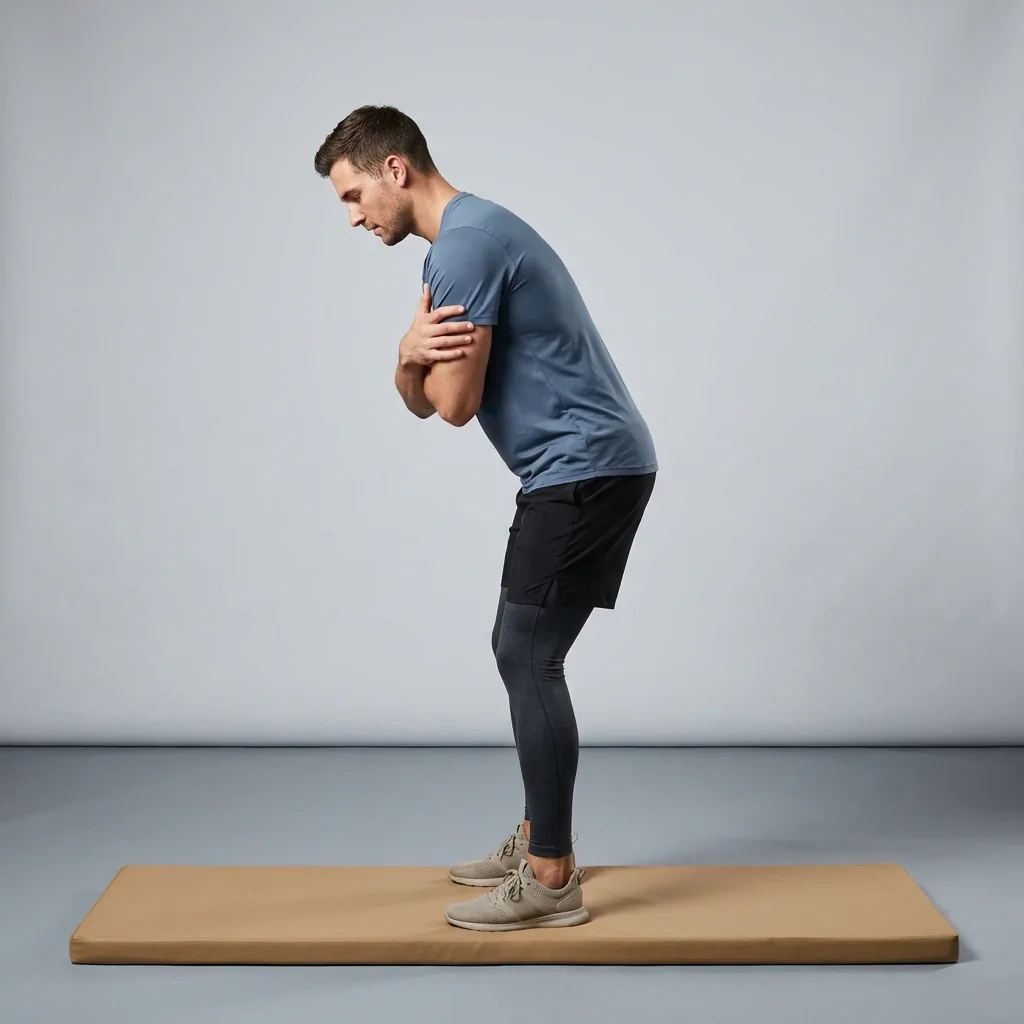
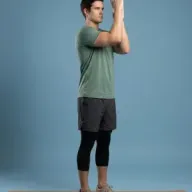
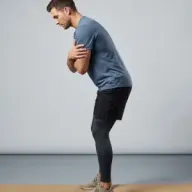
Cool-Down: Upper Back Unknot
An 11-move mid-back cool-down — eagle arm, thread the needle, and forward fold for rhomboid, trap, and thoracic tension.
-
-
-
-
-
- +6
-
-
 9 min Advanced
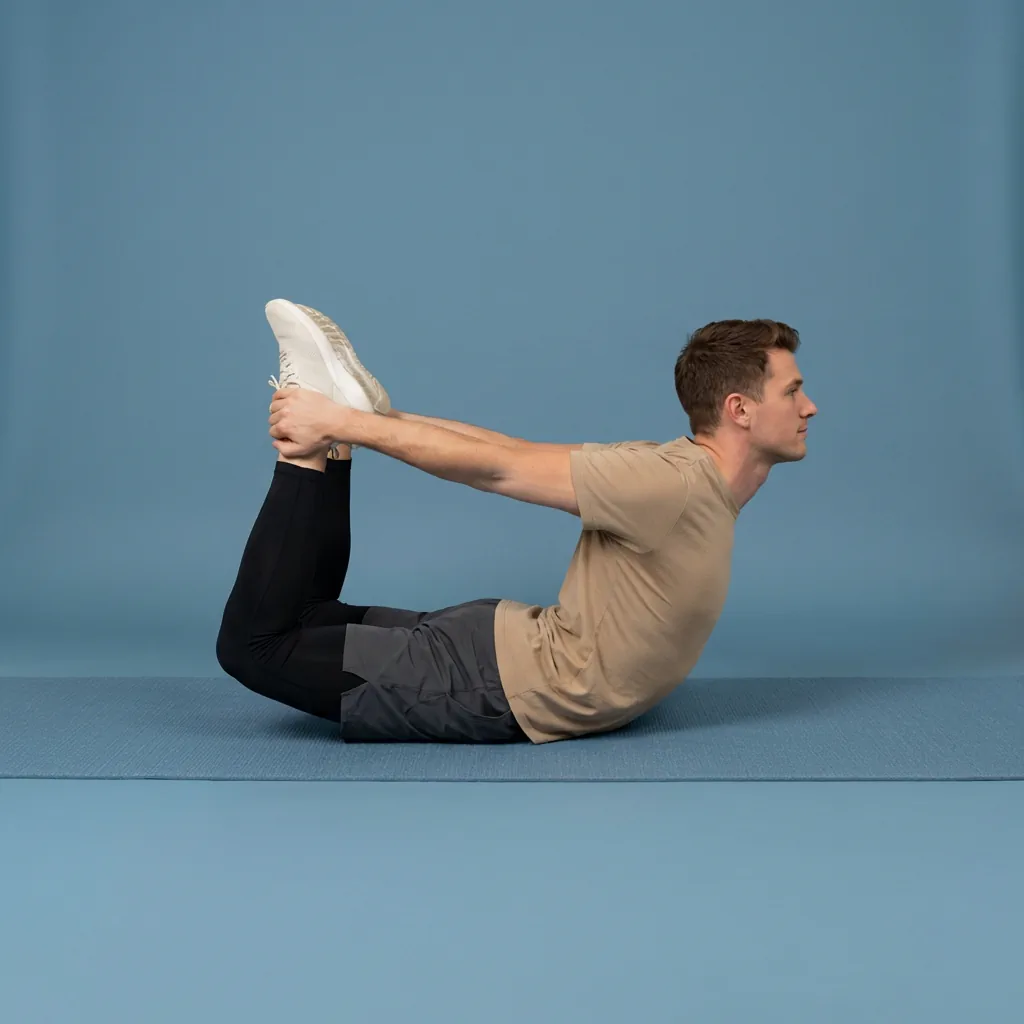
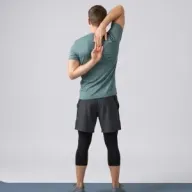
Post-Workout Stretch: Chest & Shoulders
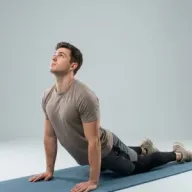
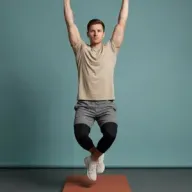
A 9-move advanced anterior stretch — dead hang, shoulder opener, and bow pose with static holds after heavy pressing.
-
-
-

-
-
- +4
-
-
 14 min Intermediate
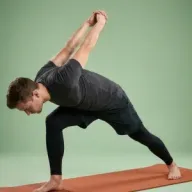
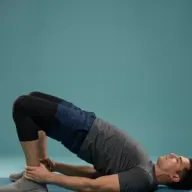
Post-Workout Stretch: Full Body
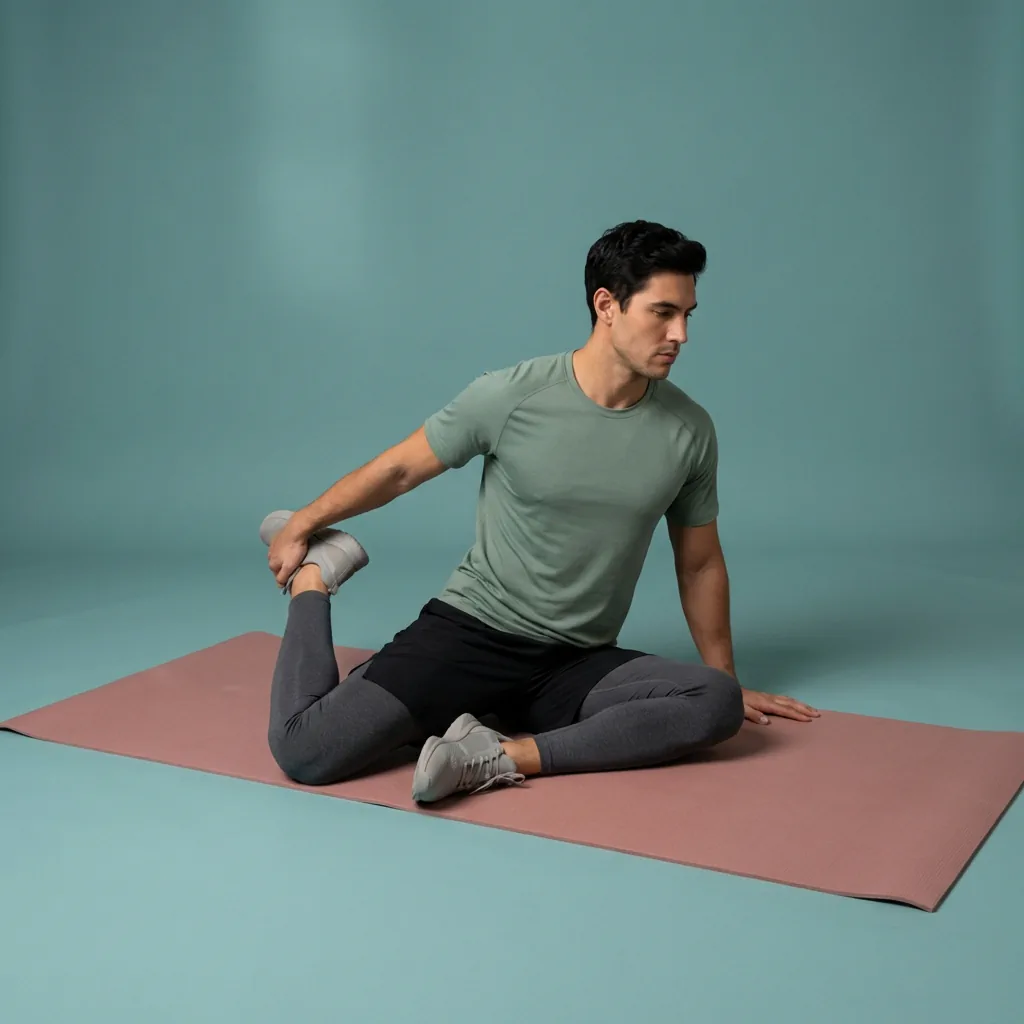
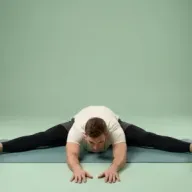
A 12-move post-training stretch — humble warrior, pancake, and legs-up-the-wall with elongated holds from head to toe.
-
-
-
-
-
- +7
-
-
 7 min Intermediate
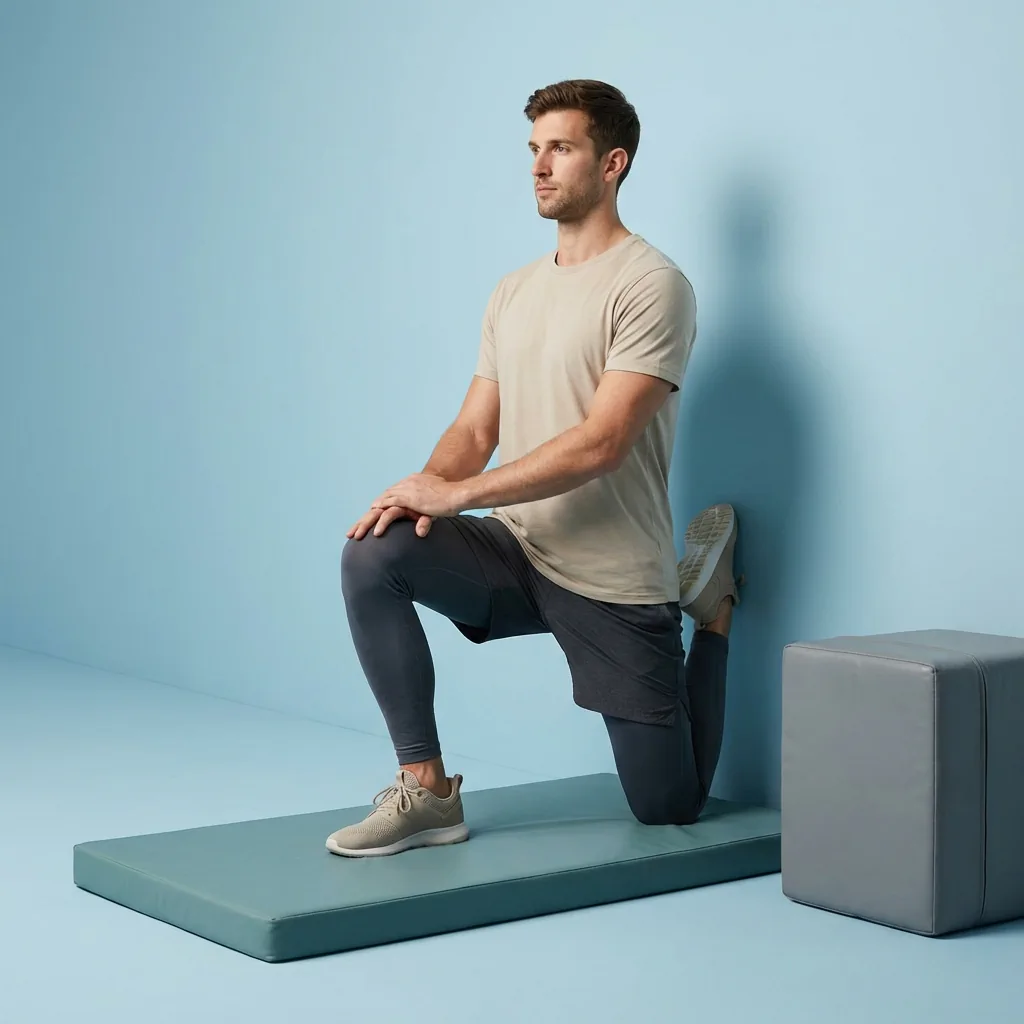
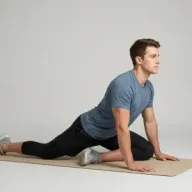
Post-Workout Stretch: Hips & Hamstrings
A 7-move posterior chain stretch — pigeon, couch stretch, and hamstring pulls when hips and hamstrings are warm post-training.
-
-
-
-
-
- +2
-
-
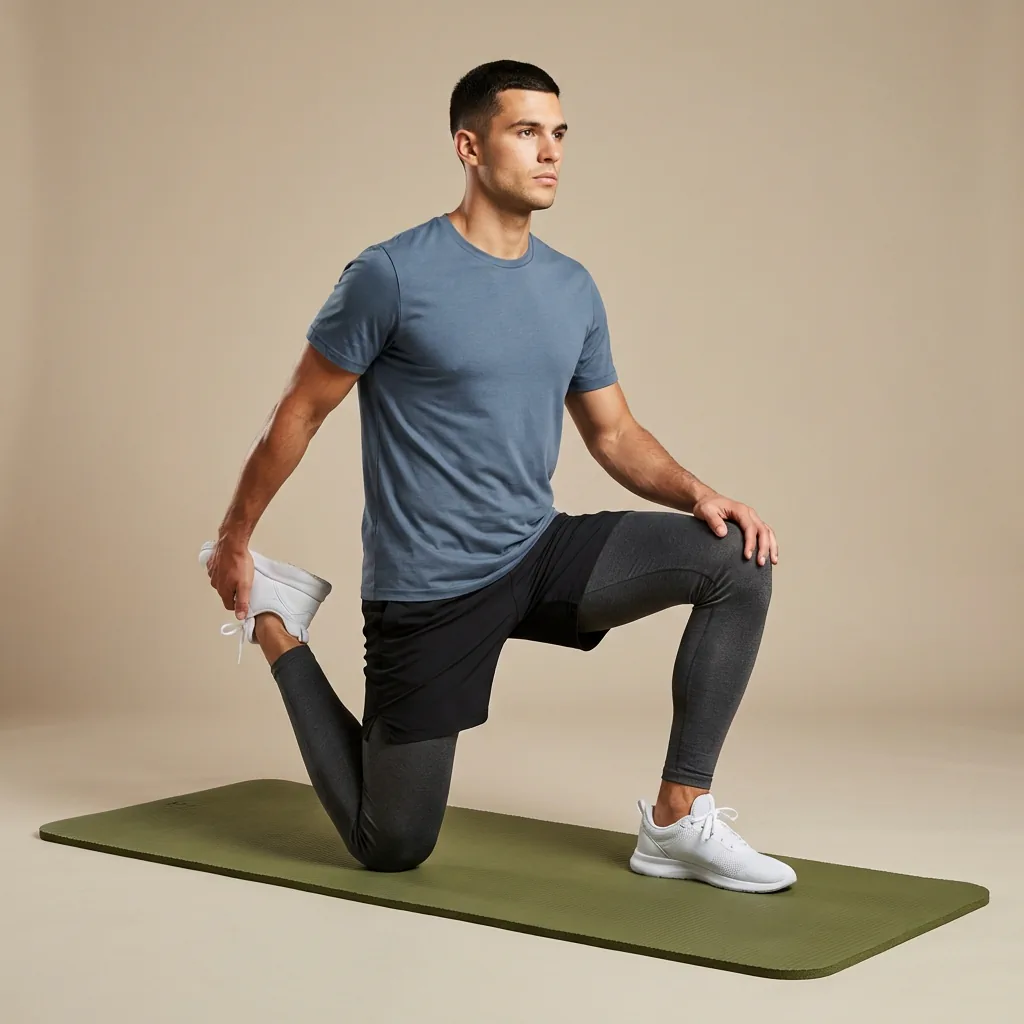 10 min Intermediate
Post-Workout Stretch: Lower Body
An 8-move leg-day stretch — lizard pose, upward frog, and lying quad stretch focusing on hips, glutes, and hamstrings.
-
-
-
-
-
- +3
-
-
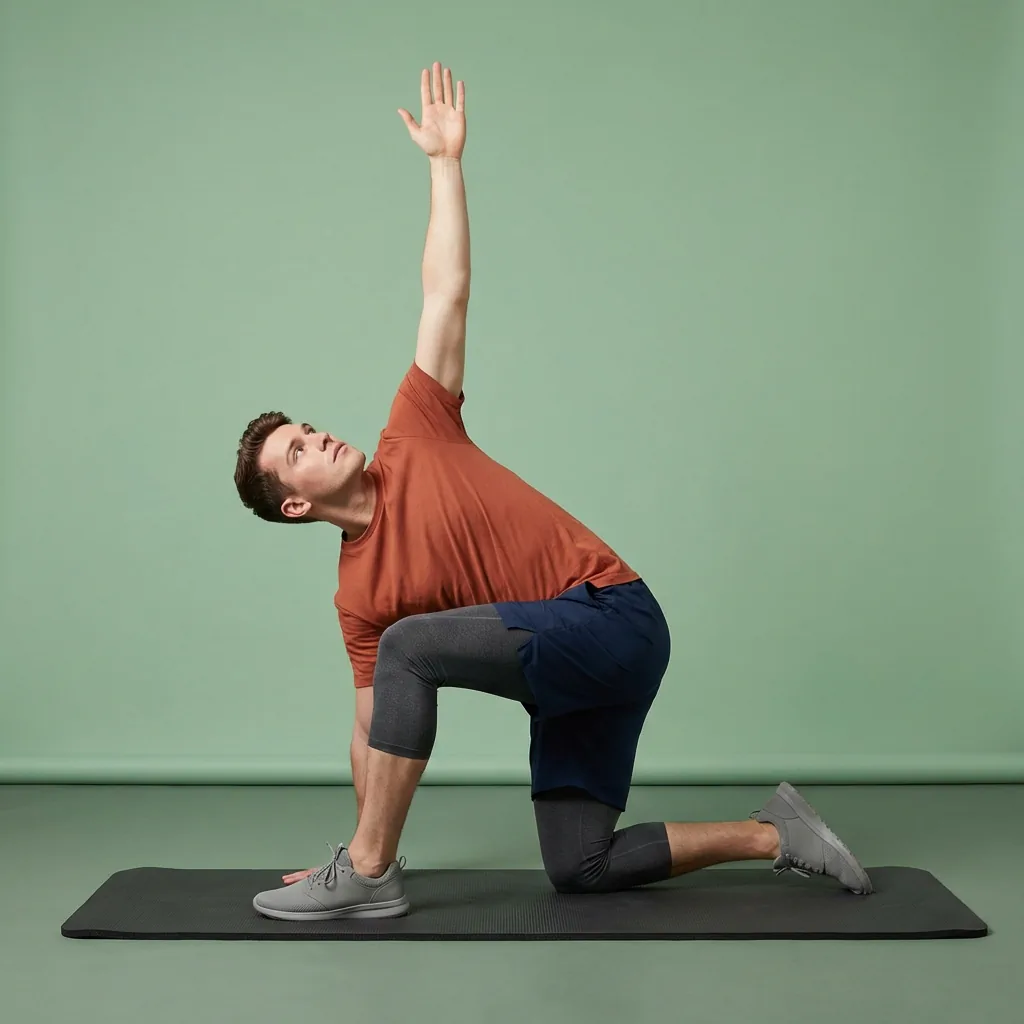 8 min Beginner
Post-Workout Stretch: Upper Body
An 8-move post-lift upper stretch — doorway pecs, thread the needle, and chest opener balancing the front of the shoulders.
-

-
-
-
-
- +3
-
Explore related pages
Common questions
How long should a cool-down last?
A cool-down of a few minutes is enough for most sessions, though you can take longer when you have time or after a hard workout. The point is to downshift gradually rather than stop abruptly, moving the areas you trained through a comfortable range while your breathing settles. Flexor offers cool-down routines at several durations so you can match one to how much time you have.
Does a cool-down prevent soreness?
A gentle cool-down can feel good and help you transition out of a workout, but it is not a guaranteed way to prevent muscle soreness, which has many causes. Treat it as a comfortable end to your session and a chance to move calmly, rather than a cure. Sleep, gradual training progression and overall consistency matter more for how you feel the next day.
Can I use a cool-down routine on its own?
Yes. Cool-down routines work well any time you want calm, gentle movement, not only straight after exercise—for example in the evening or when you feel stiff from sitting. Keep the stretches comfortable and unhurried, breathe steadily, and stop if anything feels sharp. If relaxation is your main aim, the Relaxation category may suit you even better.