
Routine categories
Travel stiffness routines for after long journeys.
Long flights, drives and train journeys leave many people feeling stiff through the hips, back, shoulders and legs. These routines use gentle, comfortable movement to get those areas moving again after hours of sitting, and they need no equipment and very little space—handy in a hotel room or on arrival.
About Travel Stiffness
Why travel leaves you stiff
Sitting still for hours means the hips, lower back and shoulders stay in one position and barely move. A little gentle movement afterwards often feels like relief. Travel-stiffness routines focus on those commonly affected areas with easy, comfortable range rather than intense stretching.
No equipment, small space
These routines are designed for tight spaces—a hotel room, an airport corner, or beside the car. They rely on bodyweight movement and need no mat or props, so you can do them soon after arriving to shake off the journey.
Move a little, often, while travelling
Where you can, standing up and moving during long journeys helps too. On arrival, a short routine to revisit the hips, back and shoulders is usually enough. Flexor keeps these guided and brief so you can fit one in even when tired.
Move comfortably
Keep movement gentle and comfortable, especially when tired after a journey. This is general wellness movement, not medical treatment; stop if anything causes pain or concerning symptoms.
Routines for Travel Stiffness
-
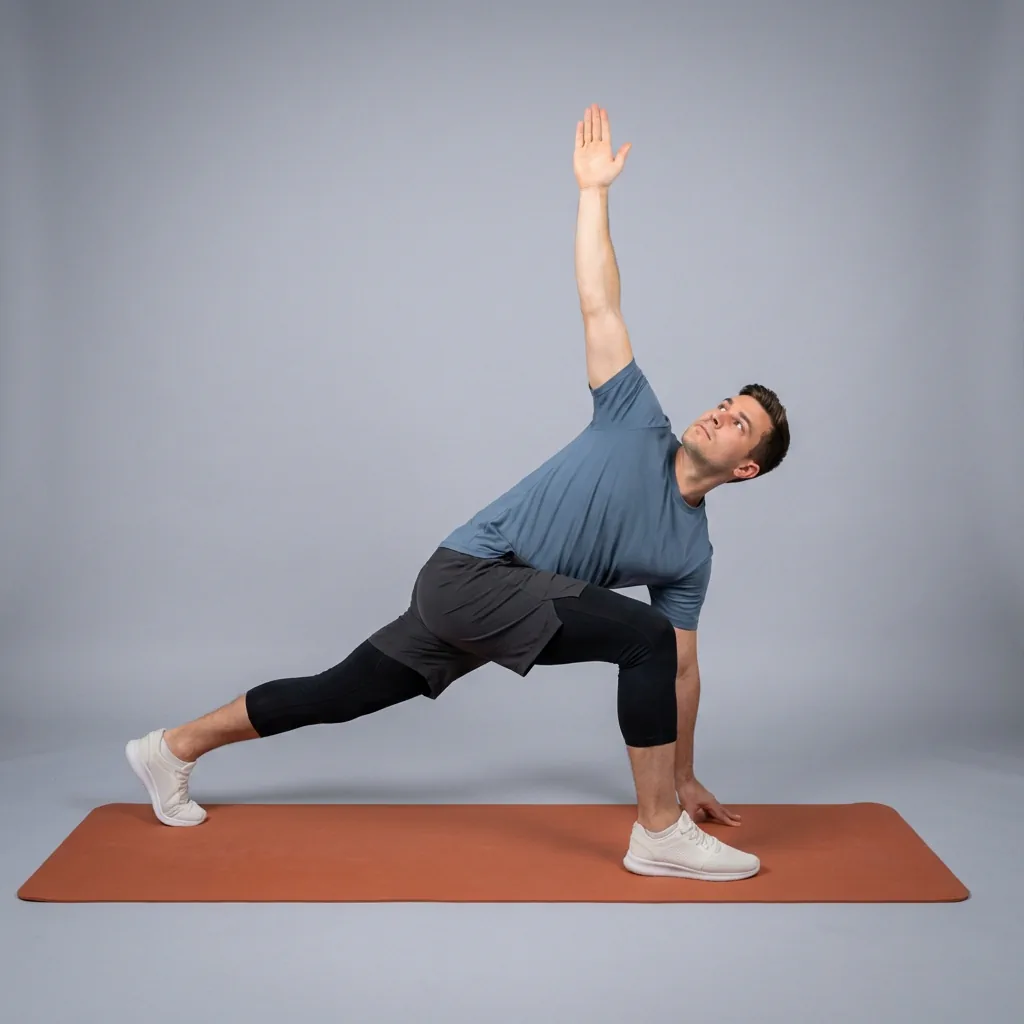
 6 min Intermediate
Hotel Room Decompress
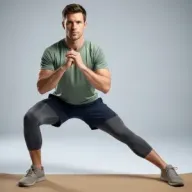
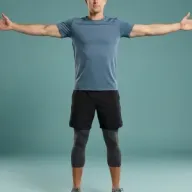
A 7-move hotel-room unwinding flow with neck flex, upward salute, humble warrior, lateral lunge hold, and standing frog.
-
-
-
-

-
- +2
-
-
 11 min Intermediate
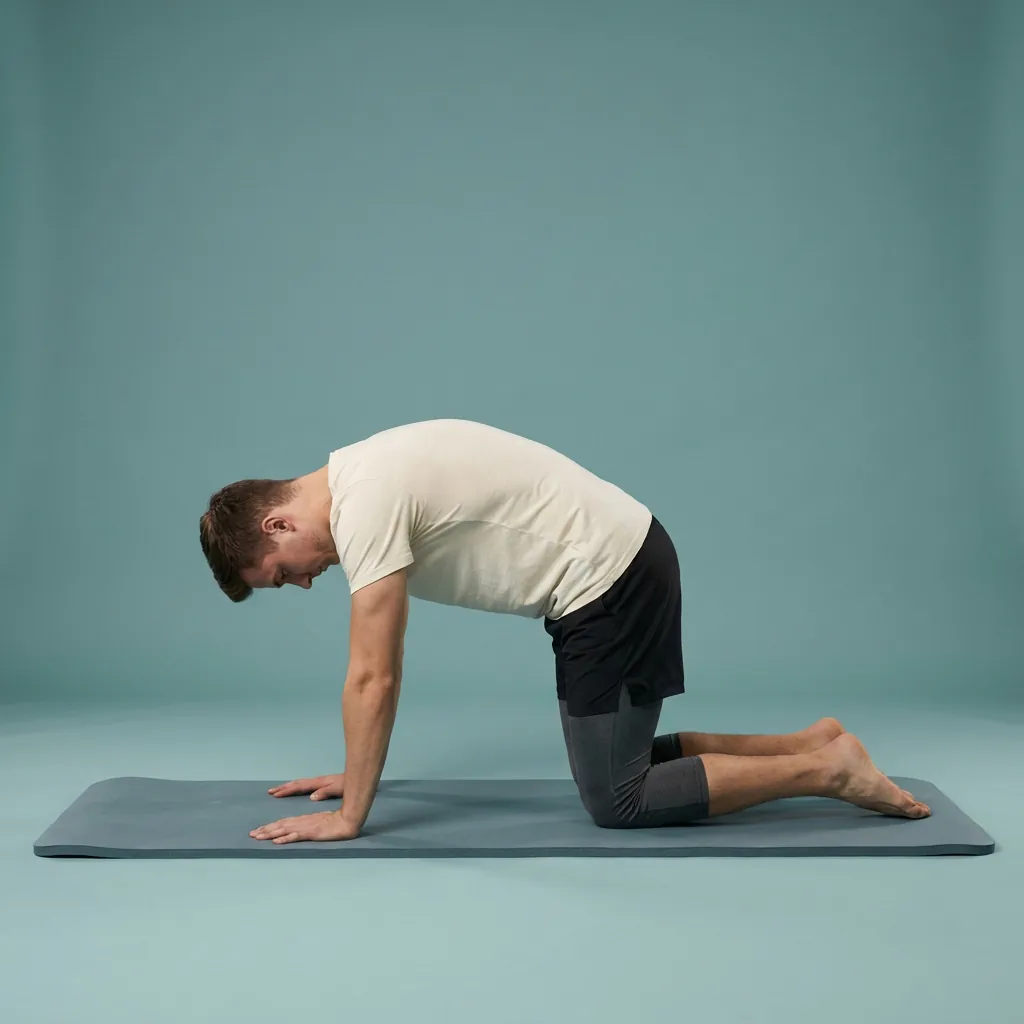
Post-Commute Flow
A 10-move post-drive unwind — corner pecs stretch, 90/90 hip switch, and legs-up-wall for commute-built shoulder and hip tension.
-
-
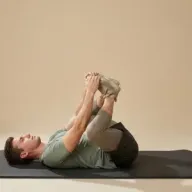
-
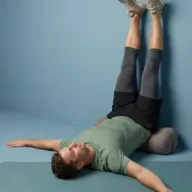
-
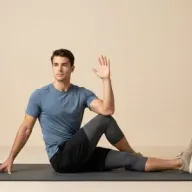
-
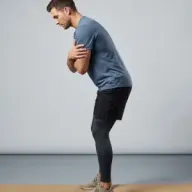
- +5
-
-
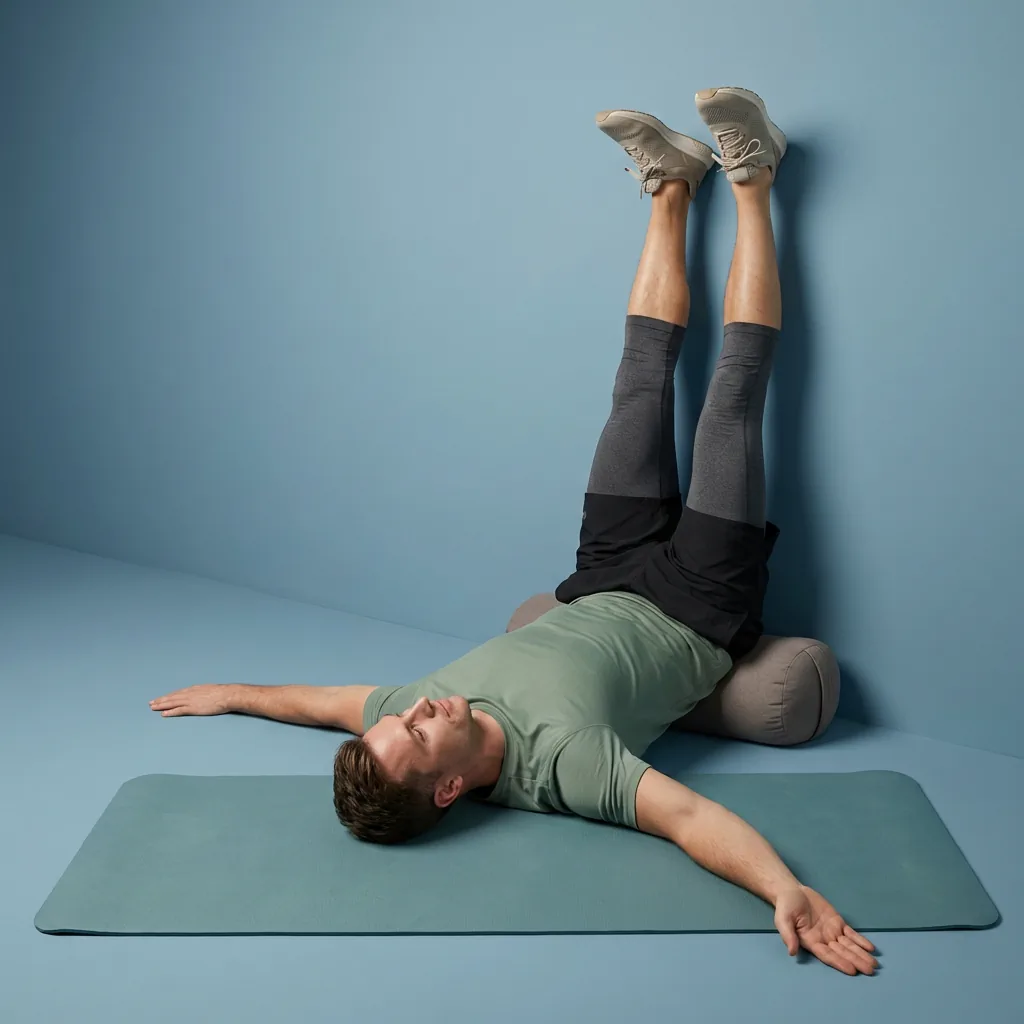 12 min Beginner
Post-flight Mobility
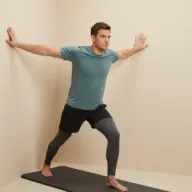
A 9-move post-flight grounding flow — legs-up-wall, 90/90 hip switch, and corner pecs stretch right after you land.
-
-
-
-
-
- +4
-
-
 8 min Beginner
Recovery: Post-Travel Unwind
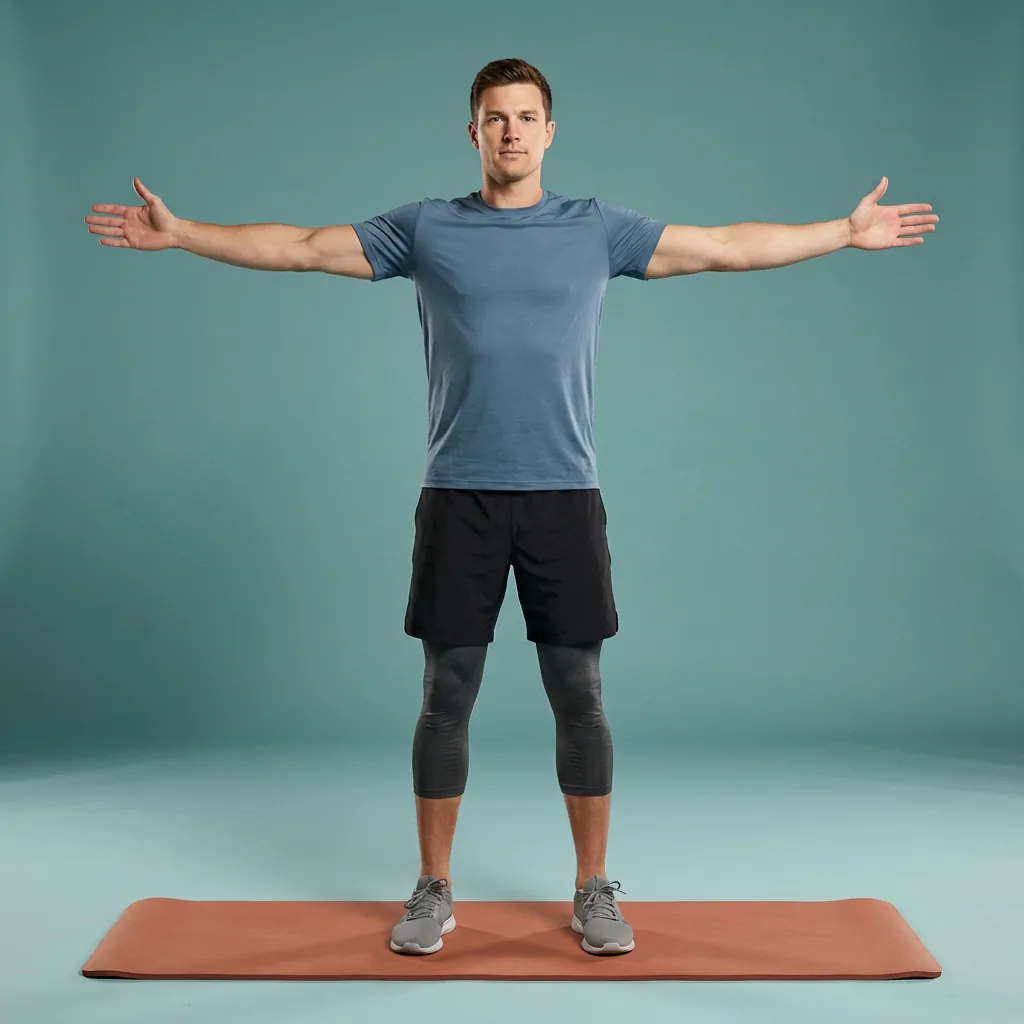
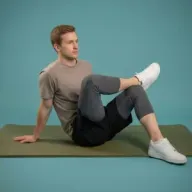
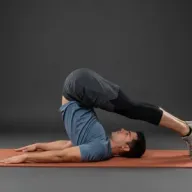
An 8-move post-travel unwind — dynamic chest flys, frog pose, and plow opening hips, neck, and lower back after long sitting.
-
-
-
-
-
- +3
-
-
 9 min Advanced
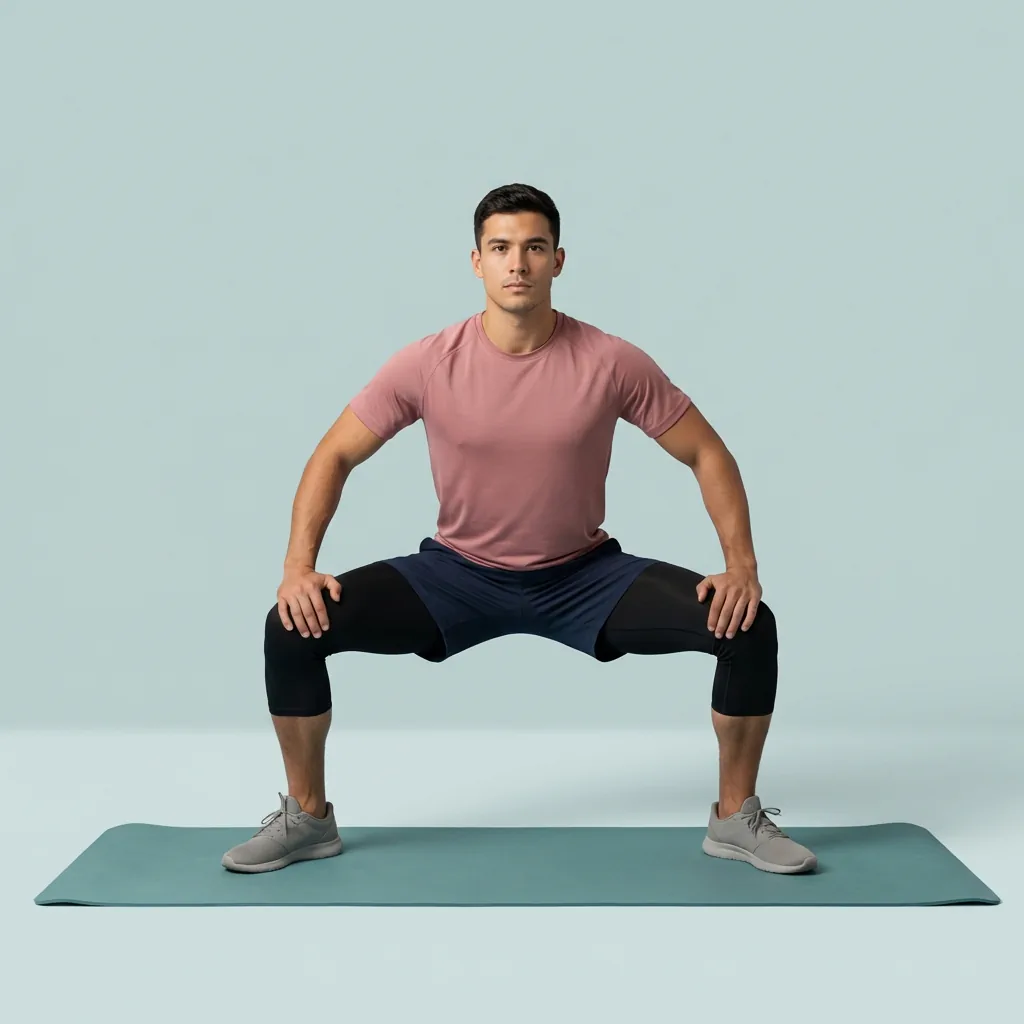
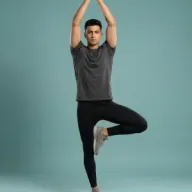
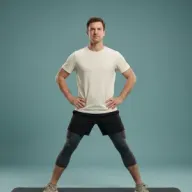
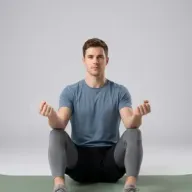
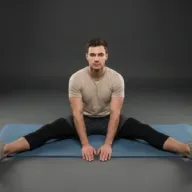
Travel Stiffness Release
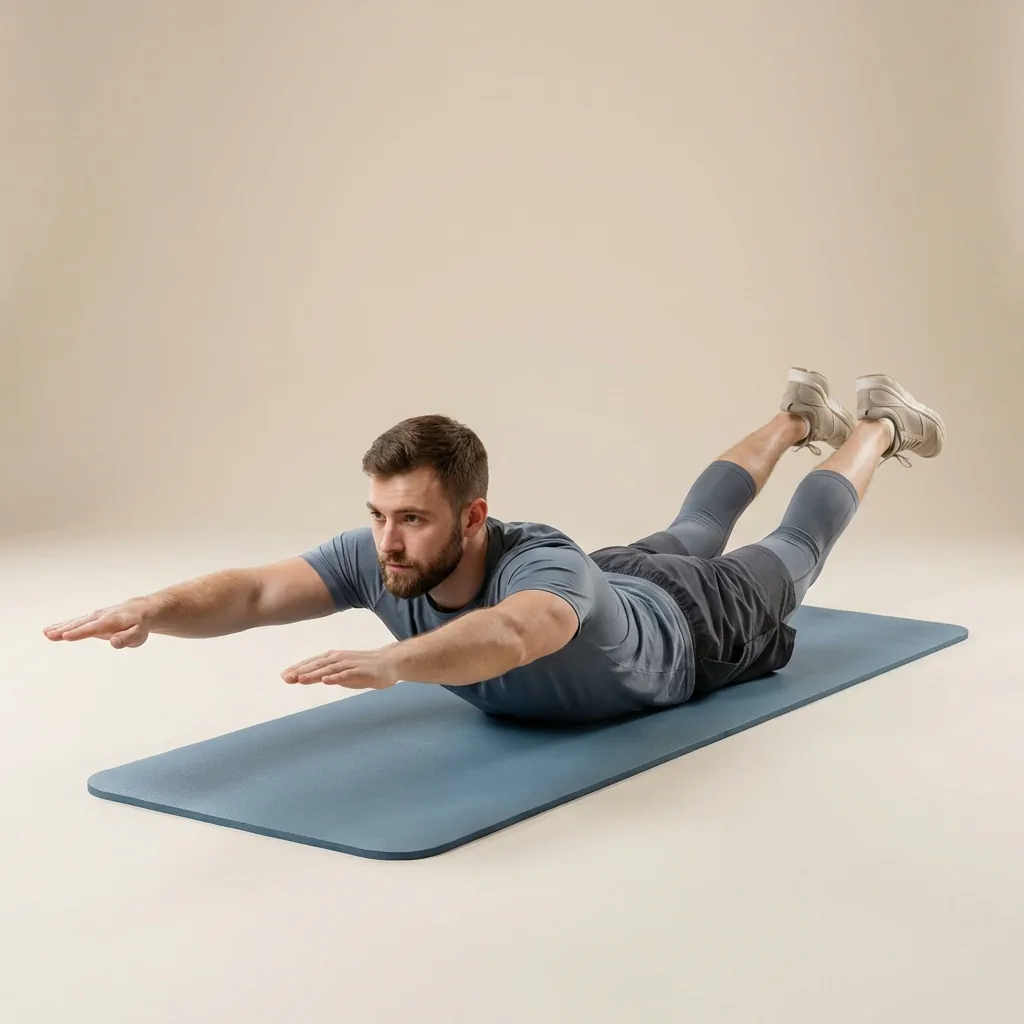
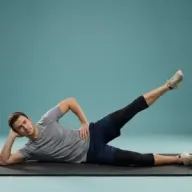
A 10-move travel flush — sumo squat hold, seated straddle, and locust pose targeting stiff lower back and legs after long sitting.
-
-
-
-
-
- +5
-
Explore related pages
Common questions
What helps stiffness after a long flight or drive?
Gentle movement that revisits the areas held still during travel—typically the hips, lower back, shoulders and legs—often feels like relief after a long sit. Keep it comfortable rather than intense, since you may be tired and dehydrated on arrival. A short guided routine that needs no equipment is easy to do in a hotel room, and moving a little during the journey helps too.
Do I need equipment for travel stretching?
No. Travel-stiffness routines are built for small spaces and use bodyweight movement, so you can do them in a hotel room, at the airport or beside the car without a mat or props. Just find enough clear space to move comfortably and avoid unstable surfaces. If a listed setup does not suit where you are, pick another routine designed for the space you have.
How soon after travelling should I stretch?
Whenever it feels convenient and comfortable, such as once you have arrived and settled. There is no strict rule, and gentle movement during the journey is helpful too. Keep everything within an easy range, especially if you are tired, and stop if a movement feels sharp. For any pain that is severe, persistent or unusual, seek advice from a qualified professional.