
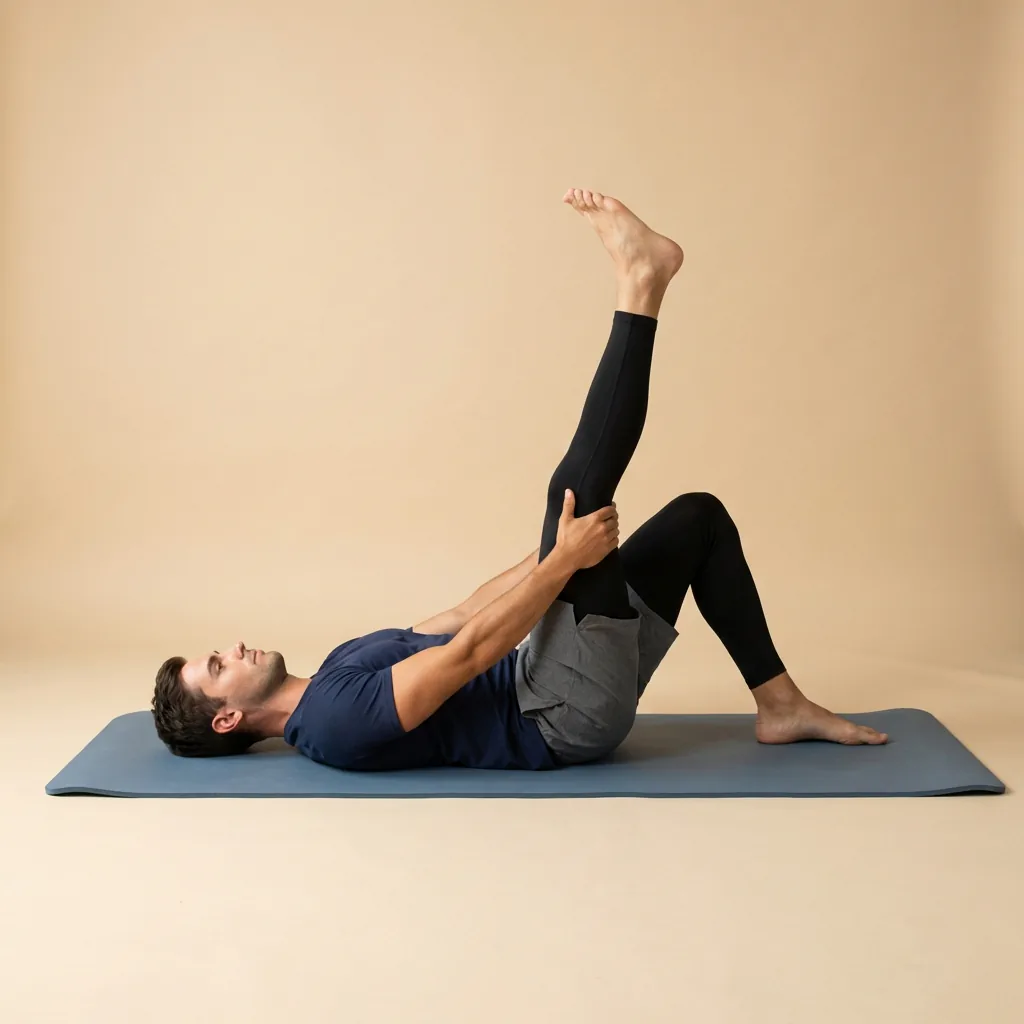
Routine categories
Post-workout routines to downshift after training.
After a workout, a few minutes of calmer movement helps you transition out of effort and revisit the muscles you just trained. Post-workout routines focus on the areas you worked—legs after a run, chest and shoulders after pressing—using comfortable stretches and easy mobility. Flexor guides each one so finishing feels deliberate.
About Post-Workout
Close a session on purpose
Stopping abruptly can feel jarring, whereas a short post-workout routine lets your breathing settle and gives you a clear finish. These routines favour comfortable stretches and easy movement over anything intense, matching the areas you have just loaded.
Match the routine to your session
After lower-body training, focus on the hamstrings, quads, calves and hips; after upper-body work, on the chest, shoulders and upper back. Flexor offers post-workout routines organised by focus so you can revisit exactly what you trained rather than a generic sequence.
Helpful, but not a soreness cure
A post-workout routine is a pleasant way to wind down and stay mobile, but it will not guarantee you avoid soreness, which depends on many factors. Sleep and sensible training progression matter more. Use it because it feels good and rounds off the session well.
Move comfortably
Keep post-workout stretches gentle since muscles are warm and possibly fatigued. This is general fitness guidance, not medical treatment; stop if anything causes sharp pain or concerning symptoms.
Routines for Post-Workout
-
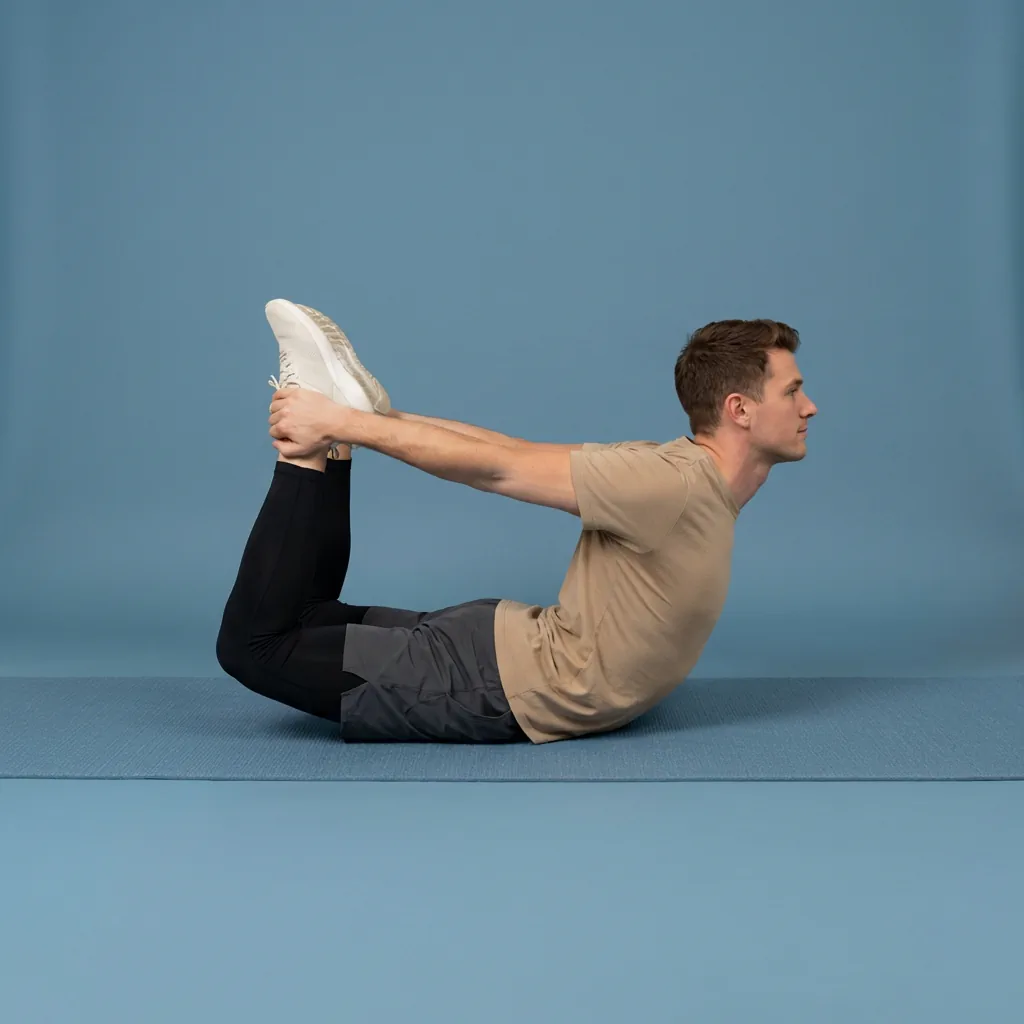 9 min Advanced
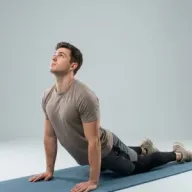
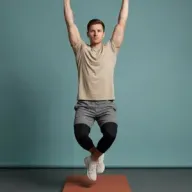
Post-Workout Stretch: Chest & Shoulders
A 9-move advanced anterior stretch — dead hang, shoulder opener, and bow pose with static holds after heavy pressing.
-
-
-

-
-
- +4
-
-
 14 min Intermediate
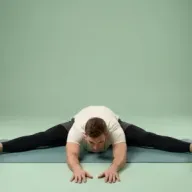
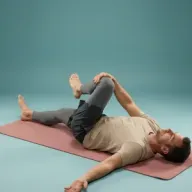
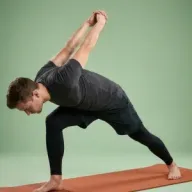
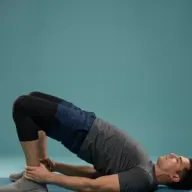
Post-Workout Stretch: Full Body
A 12-move post-training stretch — humble warrior, pancake, and legs-up-the-wall with elongated holds from head to toe.
-
-
-
-
-
- +7
-
-
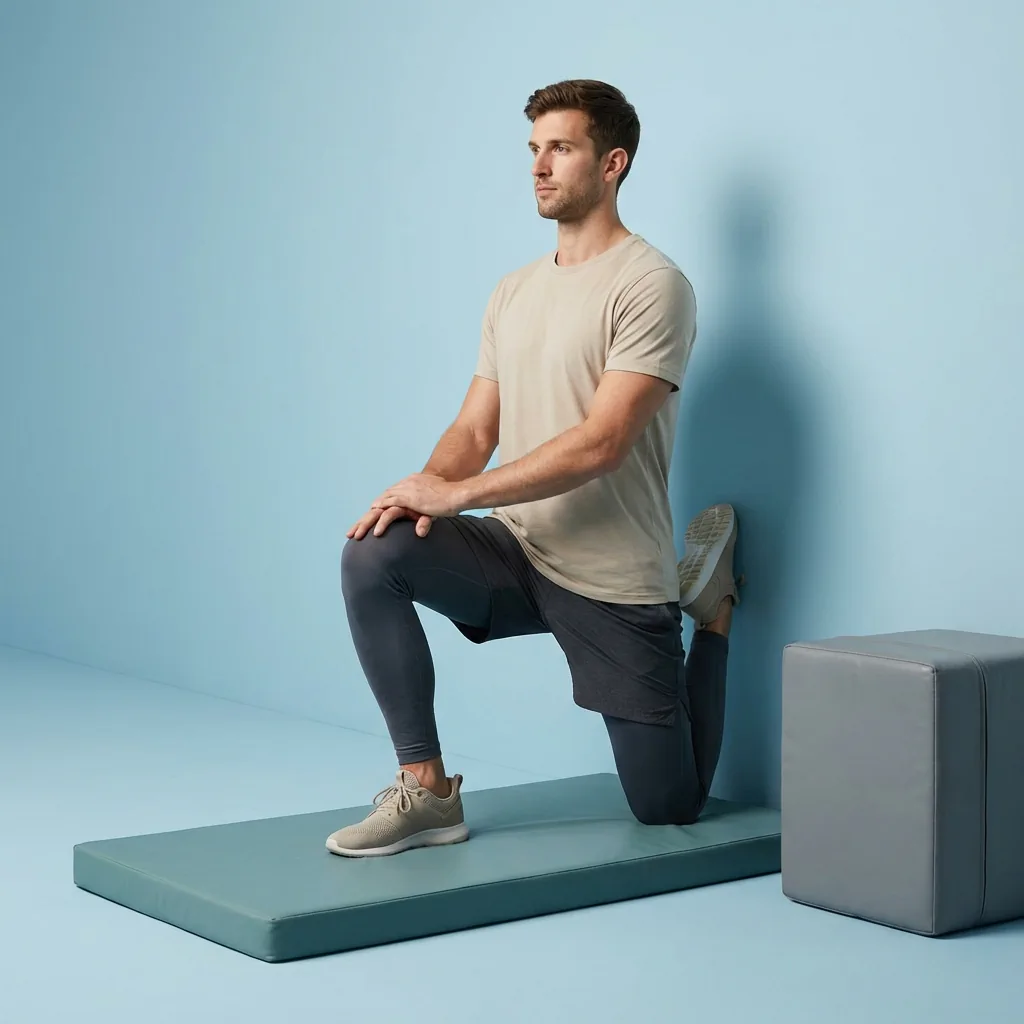 7 min Intermediate
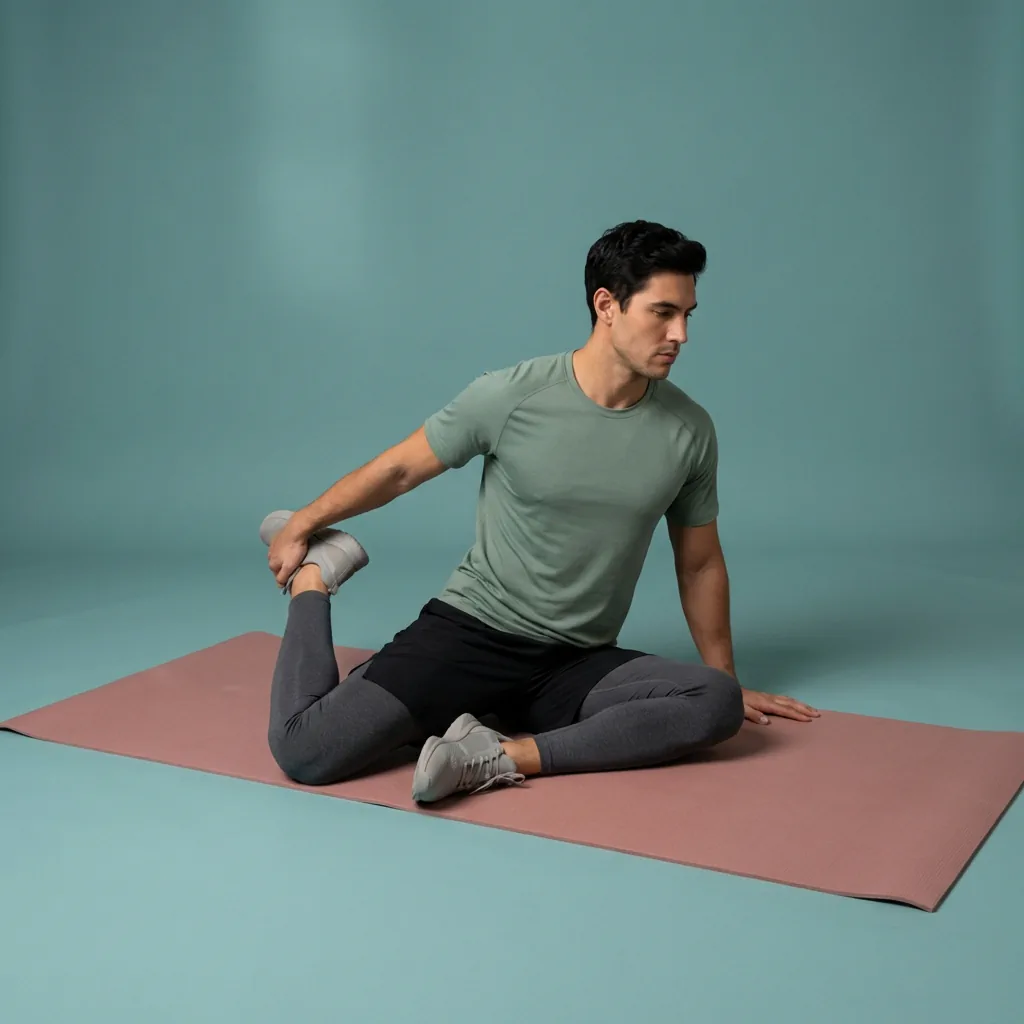
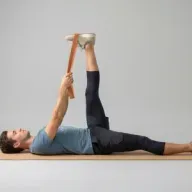
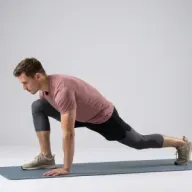
Post-Workout Stretch: Hips & Hamstrings
A 7-move posterior chain stretch — pigeon, couch stretch, and hamstring pulls when hips and hamstrings are warm post-training.
-
-
-
-
-
- +2
-
-
 10 min Intermediate
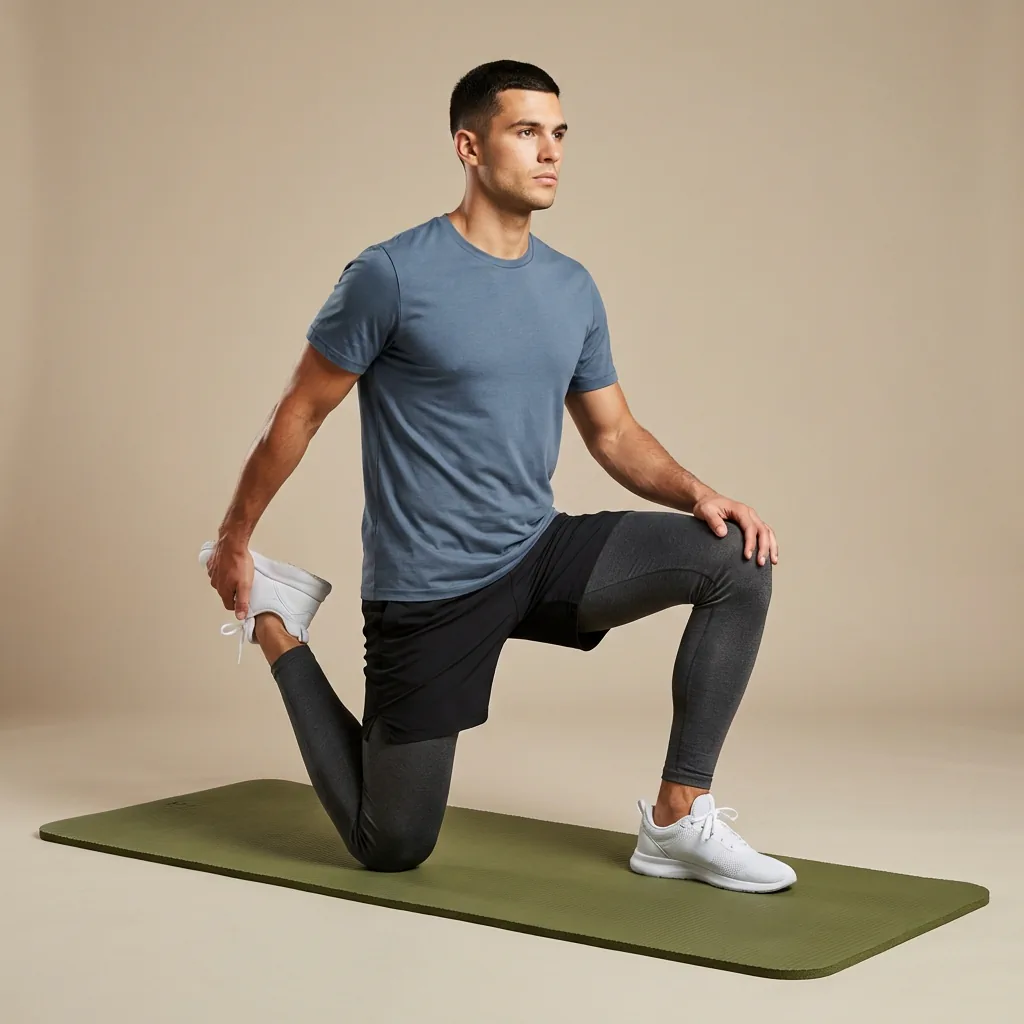
Post-Workout Stretch: Lower Body
An 8-move leg-day stretch — lizard pose, upward frog, and lying quad stretch focusing on hips, glutes, and hamstrings.
-
-
-
-
-
- +3
-
-
 8 min Beginner
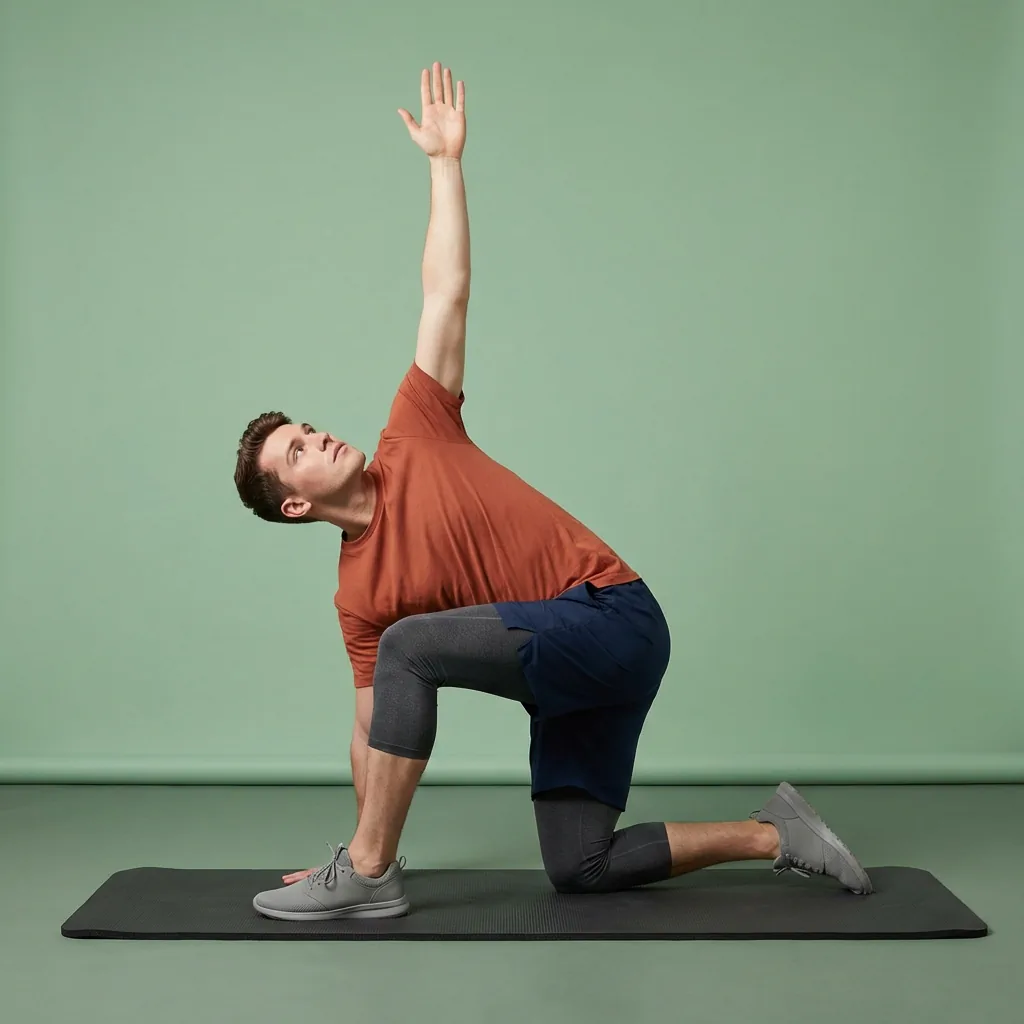
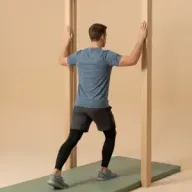
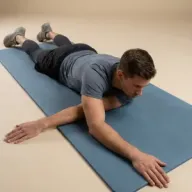
Post-Workout Stretch: Upper Body
An 8-move post-lift upper stretch — doorway pecs, thread the needle, and chest opener balancing the front of the shoulders.
-

-
-
-
-
- +3
-
Explore related pages
Common questions
Should I stretch after every workout?
A short post-workout routine is a comfortable way to wind down, and many people enjoy finishing that way, but it is optional rather than essential. Keep the stretches gentle since your muscles are warm and possibly fatigued, and focus on the areas you just trained. If you are short on time, even a couple of minutes of calmer movement gives your session a clear, deliberate finish.
What is the difference between post-workout and cool-down routines?
They overlap heavily: both help you downshift after activity with gentler movement. Post-workout routines in Flexor are organised around revisiting the muscles you just trained, while cool-down routines are a broader wind-down you can use after any session. Choose whichever framing fits, and keep everything comfortable. The Recovery category is better suited to full rest days between workouts.
Does stretching after a workout prevent soreness?
Stretching afterwards can feel good, but it is not a reliable way to prevent muscle soreness, which has many causes including new or harder training. Treat a post-workout routine as a pleasant wind-down rather than a cure. Sleep, hydration and gradual progression influence next-day feel far more. Stop if a movement causes sharp pain rather than the usual mild post-exercise tightness.