
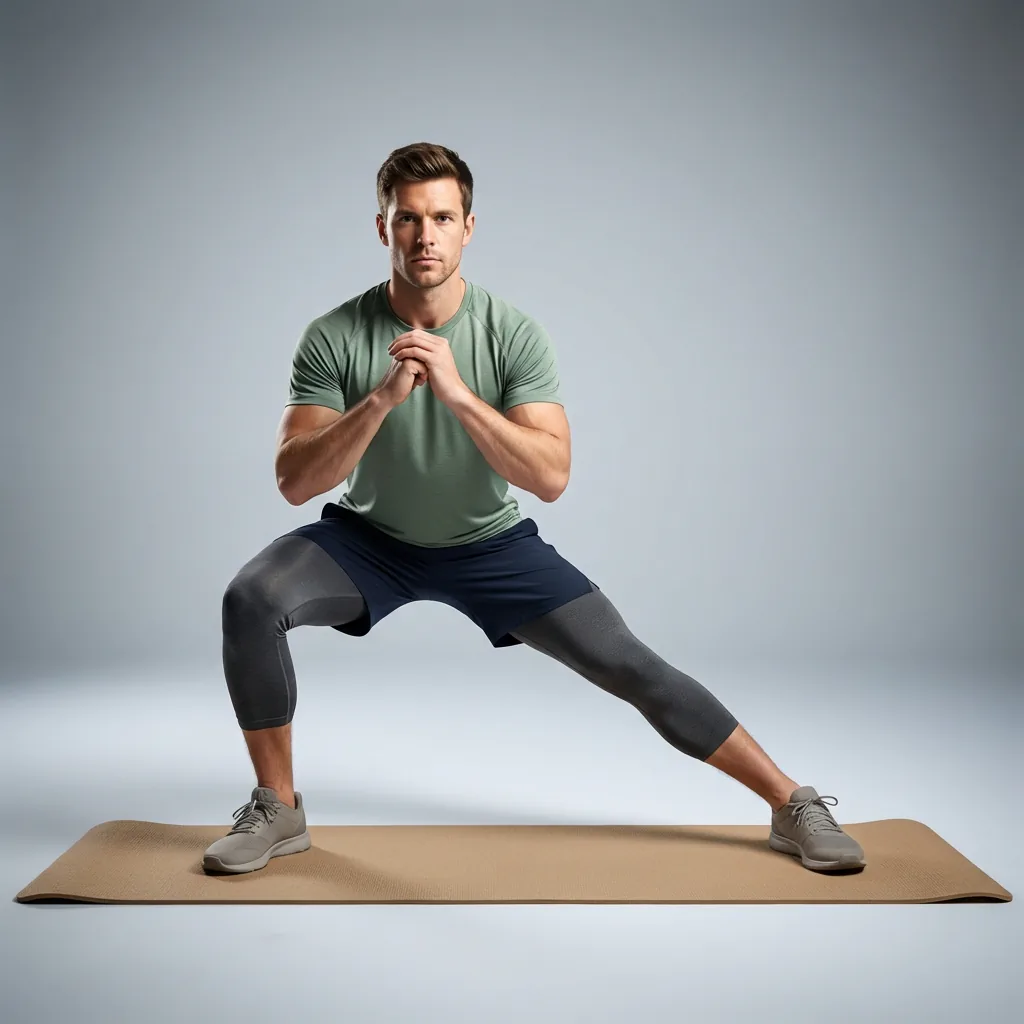
Lateral Lunge Hold
Hold the bottom of a lateral lunge with the bent knee stacked over the foot to build isometric strength in the glute and adductors.
Overview
Lateral Lunge Hold is an intermediate isometric side lunge hold on Flexor that pauses at the bottom of a lateral lunge to build stability in the glute and stretch the inner thigh.
What Lateral Lunge Hold targets
You'll feel the glute of the bent leg working to hold position and a stretch through the inner thigh of the straight leg. Breathe steadily throughout.
Why add Lateral Lunge Hold to your routine
Builds lateral hip strength and adductor length through a sustained side-lunge position.
- Useful when dynamic lateral lunges feel easy and you want more time under tension.
- The hold reveals balance and knee-tracking issues that fast reps can hide.
- Drive through the bent leg to stand rather than pulling up with the straight leg.
Who it's for
People comfortable with lateral lunges who want to add isometric strength work.
When to do it
Use after dynamic lateral lunges in a warm-up, or as a focused stability drill before sport.
The lateral lunge hold pauses at the bottom of a side lunge, training the glute and inner thigh to maintain position under load. Breathe steadily through the hold and keep the torso long.
Setup cue
Step sideways into a lateral lunge and settle the weight into the bent leg. Pause in the side-lunge shape with the opposite leg extended and hips back.
Practice notes
In Flexor, Lateral Lunge Hold is typically prescribed as about 1 min per round, 1 rep, and 1 set. Adjust the dosage to what feels sustainable, breathe steadily, and ease off if anything feels sharp or unsafe.
Guidance
How to perform, tips, mistakes, safety notes, and benefits for Lateral Lunge Hold.
Follow these cues in order. Move with control and stay in a comfortable range.
- Step sideways into a lateral lunge and settle the weight into the bent leg.
- Pause in the side-lunge shape with the opposite leg extended and hips back.
- Keep the torso long and the bent knee stacked over the mid-foot while you hold.
- After the hold, drive through the bent leg to stand tall, then change sides.
Cues that help the movement stay smoother and more controlled.
- Stay tall through the crown of your head; keep pelvis square.
- Control the descent and push the floor away to stand.
Patterns to watch for so the shape stays clearer.
- Rushing through reps or forcing range instead of moving with control.
- Holding your breath—use steady breathing to reduce tension.
- Front knee caving inward or drifting far past comfortable range.
- Losing balance due to narrow stance; step onto ‘train tracks,’ not a tightrope.
Keep things comfortable and stop if something feels wrong.
- Stop if you feel sharp pain, numbness, tingling, dizziness, or symptoms that radiate.
- Stay within a comfortable, controlled range; muscular effort or mild stretch tension should not become pain.
- Move smoothly without bouncing, jerking, or forcing the range.
Why people include this movement in their practice.
- Builds isometric endurance in the glute and adductors of the bent leg.
- Deepens the inner-thigh stretch of the straight leg through a sustained hold.
- Trains lateral hip stability that supports cutting, hiking, and side-stepping movements.
Similar movements to explore next
-
Lateral Lunge
Step wide to one side, sit the hips back over the bent leg, and keep the trailing leg long to stretch the inner thigh and load the glute.
-
Side Lunge
Lateral step and sink into one hip to mobilize adductors, glutes, and ankles.
-
90/90 Hip Switch Extension
90/90 hip switch with a forward hinge and tall-spine lift to combine hip rotation with thoracic extension.
-
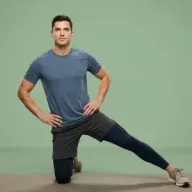
Adductor Dips
Wide-stance lateral shifts that stretch the inner thigh on the straight leg while loading the bent knee.
-
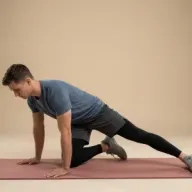
Adductor Rocks
Press hips back from all fours with one leg extended sideways to hold a gentle inner-thigh adductor stretch.
-
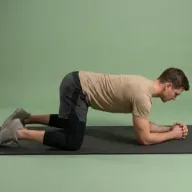
Frog Pose
Kneel with knees wide and feet turned out, then lower onto the forearms to open the inner thighs and hips.
-
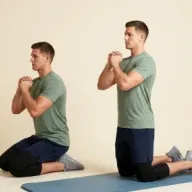
Kneeling Hip Hinge
From tall kneeling, send hips back toward your heels then drive forward to stand tall, rehearsing hip extension without loading the spine.
-
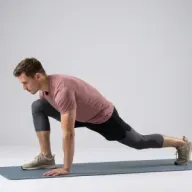
Lizard Pose
From a low lunge, walk the front foot outside the hand and lower to forearms to deeply stretch the hip flexors and inner groin.
Common questions
How is the lateral lunge hold different from a normal lateral lunge?
The hold keeps you at the bottom of the lunge instead of standing back up each rep, so your legs and hips work isometrically to stay stable. It is a step up from the standard, moving lateral lunge.
Which body areas does Lateral Lunge Hold target?
Lateral Lunge Hold is a movement that mainly targets your glutes, adductors, and hamstrings. Move within a comfortable range and skip it if it does not feel suitable for you.
Which muscles does Lateral Lunge Hold work?
Primary muscles associated with Lateral Lunge Hold include hip adductors and gluteus maximus. Flexor presents this as general wellness guidance, not a clinical assessment.
Is Lateral Lunge Hold suitable for beginners?
Lateral Lunge Hold is listed as intermediate in Flexor. Choose a smaller range of motion, fewer repetitions, or an easier variation whenever you want more control.
How long should you hold Lateral Lunge Hold?
In Flexor, Lateral Lunge Hold runs for about 1 min per round. Adjust the time to what feels sustainable, breathe steadily, and ease off sooner if anything feels sharp.
How do you do Lateral Lunge Hold?
Lateral Lunge Hold has 4 guided steps. Follow them in order on this page, breathe steadily, and keep the movement smooth and within a comfortable range. Stop if anything feels sharp, unstable, or unsafe for you.
Is this medical advice?
No. Flexor provides general fitness and wellness guidance. It does not diagnose, treat, or prevent medical conditions. Speak with a qualified professional about injuries, persistent pain, or health concerns.