
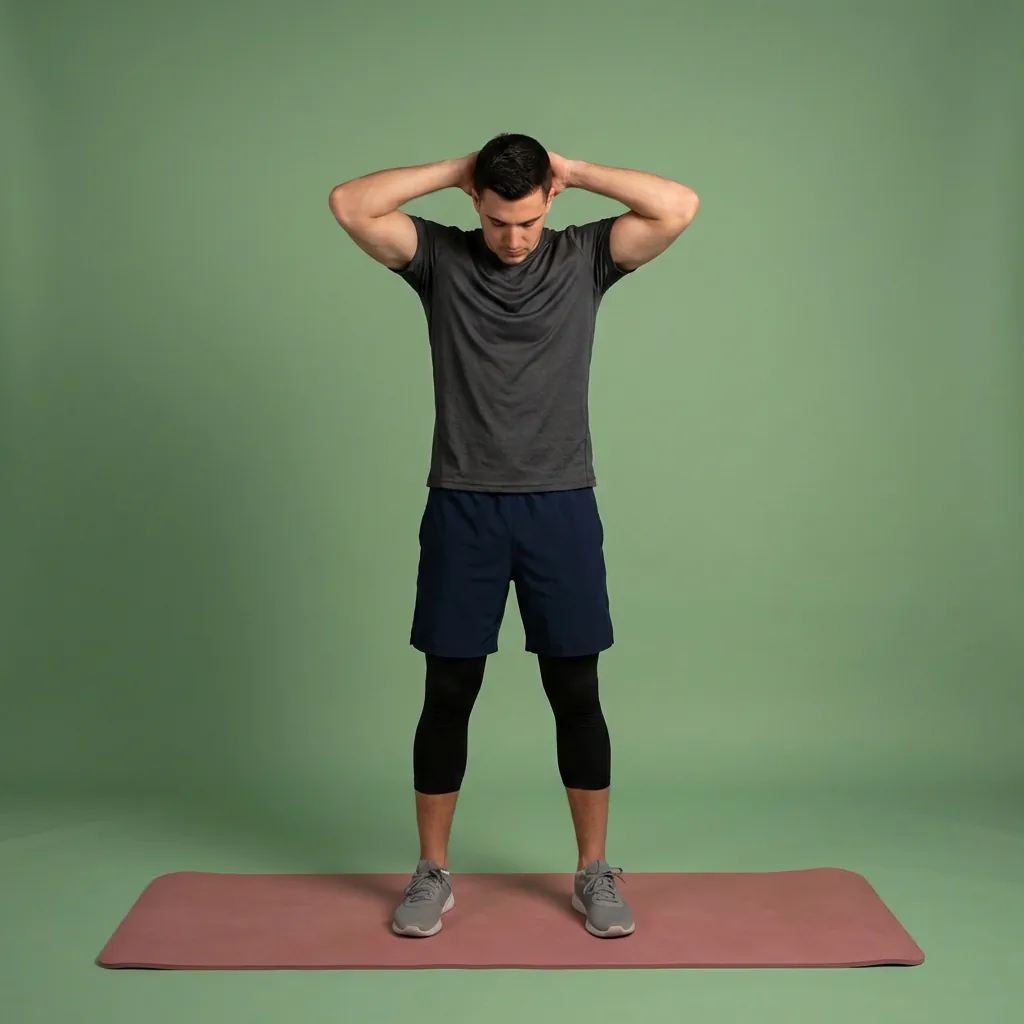
Neck Flexion
Draw the chin gently backward without looking down to activate the deep neck flexors and practise a stacked head position.
Overview
Neck Flexion in Flexor is a gentle chin-tuck control drill. The head glides straight backward while the eyes stay level, creating light effort through the deep neck flexors without forcing the chin toward the chest.
What Neck Flexion targets
The main focus is the deep neck flexor group, which helps control the position of the head and cervical spine. The movement should remain small and comfortable.
Why add Neck Flexion to your routine
Chin-tuck repetitions provide a simple way to practise neck control during desk breaks or posture-focused sessions. The aim is coordination and low-load endurance, not stretching as far as possible.
- Activates the deep neck flexors.
- Requires no equipment and can be done seated or standing.
- Uses a small range that is easy to scale.
Who it is for
It suits users who can move the neck comfortably and want a gentle control drill.
When to do it
Use a few smooth repetitions during a desk break or warm-up. Stop if it causes dizziness, headache, radiating symptoms or sharp pain.
Neck Flexion in Flexor is a gentle chin-tuck control drill, not a forceful forward neck bend. Keep the eyes level and glide the head straight backward to create a small double-chin shape while the shoulders remain relaxed.
Setup cue
Sit or stand tall with eyes level. Glide the chin and head gently backward without looking down, pause briefly, then return to neutral.
Practice notes
In Flexor, Neck Flexion is typically prescribed as about 45 sec per round, 1 rep, and 1 set. Adjust the dosage to what feels sustainable, breathe steadily, and ease off if anything feels sharp or unsafe.
Guidance
How to perform, tips, mistakes, safety notes, and benefits for Neck Flexion.
Follow these cues in order. Move with control and stay in a comfortable range.
- Sit or stand tall with the eyes level and looking straight ahead while the shoulders remain relaxed.
- Without tipping the head up or down, glide the chin and head gently backward.
- Stop when you feel a light effort at the front of the neck and a lengthening sensation at the base of the skull.
- Pause briefly without pressing hard or holding the breath.
- Release to neutral and repeat with a small controlled range.
Cues that help the movement stay smoother and more controlled.
- Keep the eyes level as if the head is sliding straight back on a shelf.
- Use only a small movement and keep the jaw relaxed.
- Let the shoulders stay heavy rather than pulling them backward.
Patterns to watch for so the shape stays clearer.
- Looking down and bending the whole neck instead of gliding the head backward.
- Pressing the chin back too hard or clenching the jaw.
- Shrugging the shoulders or holding the breath.
Keep things comfortable and stop if something feels wrong.
- If you have a history of spinal/neck injury, disc issues, or recent surgery, consult a clinician before progressing range or intensity.
- Stop if you feel sharp pain, numbness, tingling, dizziness, or symptoms that radiate.
- Use a small tuck that feels easy at the front of the neck, and stop if symptoms appear.
- Move smoothly without bouncing, jerking, or forcing the range.
Why people include this movement in their practice.
- Activates the deep neck flexors through a low-load chin-tuck pattern.
- Practises controlling the head over the trunk without forceful neck flexion.
- Fits into short desk breaks and gentle postural-control sessions.
Similar movements to explore next
-
Neck Roll
Partial chin-to-shoulder neck roll that moves through flexion and lateral bend without full backward circles.
-
Scalene Stretch
Gentle neck side bend and chin lift to ease tension along the side of the neck.
-
Bear Hug
Wrap both arms across your chest and round the upper back to stretch rear shoulders and between the shoulder blades.
-

Chin Retractions
Glide the head straight back to tuck the chin and reset forward-head posture.
-
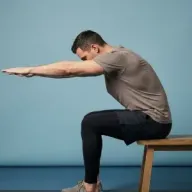
Diver
Reach the arms forward and round the upper back like a diver entering the water.
-

Ear-to-Shoulder
Tilt the head toward one shoulder to stretch the side of the neck and upper trap.
-
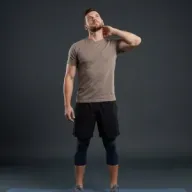
Neck Extension
Sit or stand tall, then lift the chin to extend the neck backward and open the front of the throat.
-
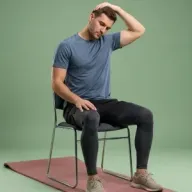
Neck Laterals
Seated ear-to-shoulder side bend that stretches the side of the neck and upper trap.
Common questions
Should I look down during Neck Flexion?
No. For the chin-tuck version used here, keep the eyes level and glide the head backward. Looking down changes the drill into a larger forward neck bend.
Which body areas does Neck Flexion target?
Neck Flexion is a movement that mainly targets your neck. Move within a comfortable range and skip it if it does not feel suitable for you.
Which muscles does Neck Flexion work?
Primary muscles associated with Neck Flexion include deep neck flexors. Flexor presents this as general wellness guidance, not a clinical assessment.
Is Neck Flexion suitable for beginners?
Neck Flexion is listed as beginner in Flexor. Choose a smaller range of motion, fewer repetitions, or an easier variation whenever you want more control.
How long should you hold Neck Flexion?
In Flexor, Neck Flexion runs for about 45 sec per round. Adjust the time to what feels sustainable, breathe steadily, and ease off sooner if anything feels sharp.
How do you do Neck Flexion?
Neck Flexion has 5 guided steps. Follow them in order on this page, breathe steadily, and keep the movement smooth and within a comfortable range. Stop if anything feels sharp, unstable, or unsafe for you.
Is this medical advice?
No. Flexor provides general fitness and wellness guidance. It does not diagnose, treat, or prevent medical conditions. Speak with a qualified professional about injuries, persistent pain, or health concerns.